Melbourne’s first pedestrian mall is fraying under violence, memory and neglect
FOOTSCRAY, Australia — For state Labor MP Katie Hall, the walk from her electorate office to Nicholson Street Mall runs through memory and menace. The
FOOTSCRAY, Australia — For state Labor MP Katie Hall, the walk from her electorate office to Nicholson Street Mall runs through memory and menace. The precinct once drew families for a day out; now it sits near posters calling for revenge, a pub brawl and a growing sense that Melbourne’s first pedestrian mall is coming apart.
A place built for strolling
Hall’s grandmother used to take her to Forges, Footscray’s leading department store, a short walk from the mall. People dressed up for the trip, Hall says, and made a day of it — the tailor, the shoe shop, the Coles cafeteria. Footscray was proud then. Beautiful, too.
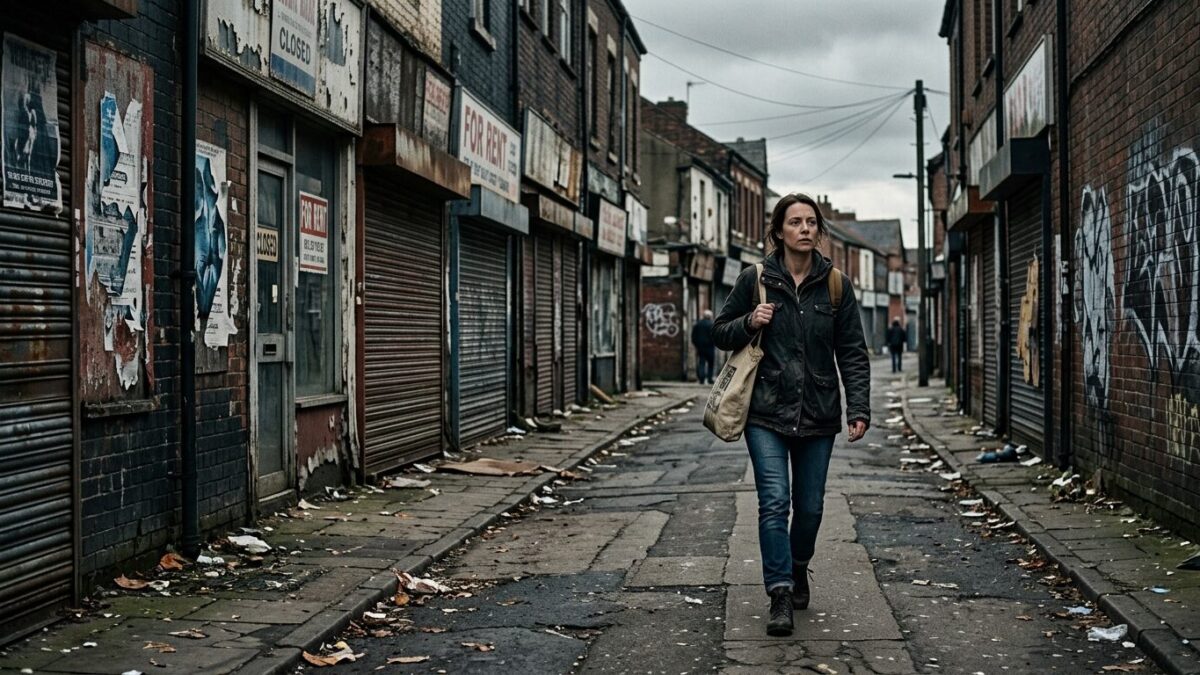
That nostalgia still hangs over Nicholson Street Mall. But the street-level mood has changed sharply. Just a couple of hundred metres from Hall’s office, white shoulders of the Nicholson Street bridge have been plastered with posters reading “Avenge Abdifatah Ahmed” and “No justice. No peace. F--- cops,” a reference to a 35-year-old man police shot dead in Footscray’s CBD in April 2025.
Violence at the edges
The bridge leads to the Courthouse Hotel, where a historic facade has recently been refreshed with new paint and warm lighting. Even so, the trouble has not stayed away. On June 7, a brawl started inside the pub and spilled out beyond it. The details of the fight were not immediately clear in the source material, but the image is enough: a place once tied to civic life now sits close to public anger and disorder.
For locals, the contrast is jarring. The mall was built for foot traffic, browsing and casual encounters. Now it stands in a district where grief, protest and street violence can surface within minutes of one another. The old commercial calm has thinned.
Why Footscray matters beyond Melbourne
Footscray’s first pedestrian mall matters because it mirrors a broader urban problem seen in cities far beyond Australia: when a high-street centre loses its everyday civility, nostalgia fills the gap fast, and public confidence can drain just as quickly. Municipal makeovers can repaint facades. They cannot, by themselves, settle the tensions that gather on the street.
Hall’s office sits close enough to the mall for history and upheaval to meet at her doorstep. That uneasy proximity now defines the area. One foot in memory, one in the present.
And the trigger for that tension is still visible on the bridge: a dead man’s name, a slogan for vengeance, and a warning that the old Footscray streetscape is no longer just about shopping. It is about a community trying to hold together after April 2025.