Nepal flood exposes hidden climate risk as thawing ice destabilises the Himalayas
A catastrophic flood in Nepal has put a stark new danger under the microscope: not just melting glaciers, but the ground beneath mountain communities that
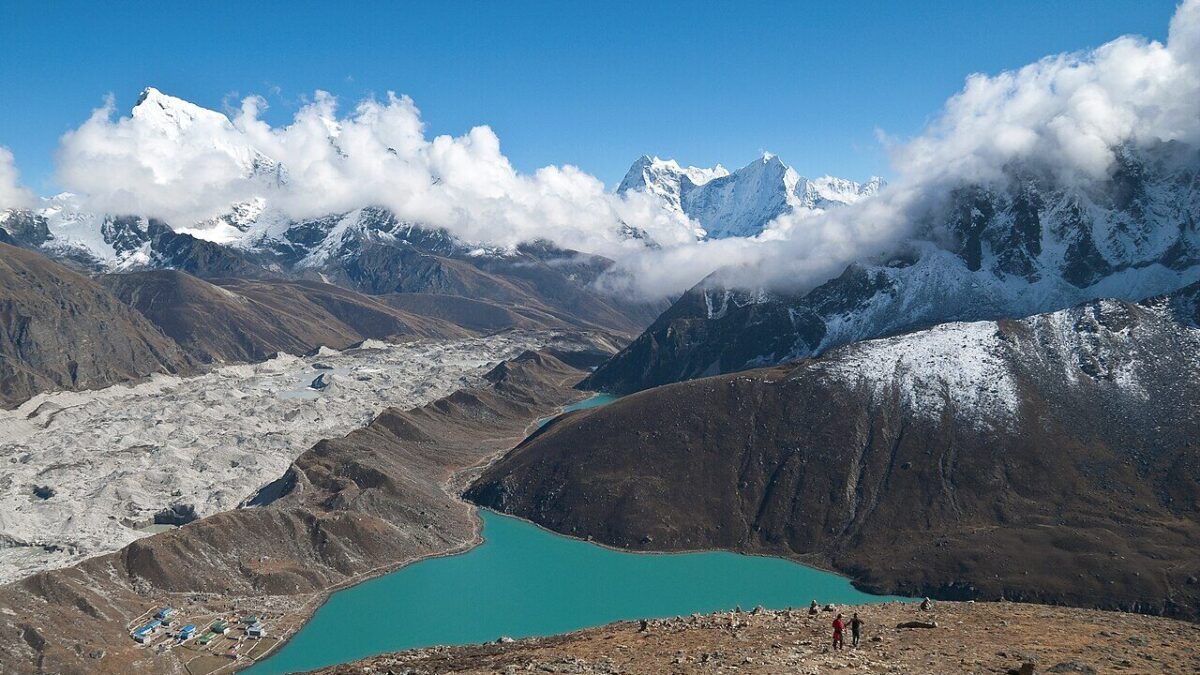
A catastrophic flood in Nepal has put a stark new danger under the microscope: not just melting glaciers, but the ground beneath mountain communities that is losing its grip. Thousands are still missing, the death toll is rising, and rescue teams are battling washed-out bridges and shattered roads across rugged Himalayan terrain.
A disaster that keeps moving
Authorities are still piecing together what happened near the Nepal-China border, but investigators say the event may have started with a large collapse of ice high in the mountains before turning into a debris flow that raced more than 60 kilometres downstream. The scale of the destruction has forced attention well beyond the original collapse zone. Entire valleys can be affected when a mass of ice, rock and saturated soil begins to move.
At least 165 people were reported killed, and nearly 1,500 were missing, including at least 800 foreigners, according to the material cited by investigators and authorities. The numbers were still changing as search crews pushed deeper into the damaged mountain corridors.
What warms first is not the only threat
Scientists have warned for years that the Himalayas are warming fast. That matters for glaciers and glacial lakes, which can overflow. But it also matters for permafrost and slope stability. The very ground people build on is shifting.
“We know where the slope instability is, we know where the glacial lakes are, we know the area is warming faster,” said Umesh Haritashya, a glacier expert at the University of Dayton, who is part of an international investigation into the disaster. “It’s hard to tell people to move.”
His concern cuts to the heart of the problem. Mountain communities do not face a single hazard. They face a chain reaction. Ice loosens, slopes fail, water surges, roads disappear. And when that happens in narrow Himalayan valleys, help may arrive slowly, if at all.
Why this matters far beyond Nepal
The Nepal flood is now being read as part of a wider pattern in high-mountain regions. Scientists say climate change may not trigger every disaster directly, but warming can destabilise snow, ice and rock, raising the odds of cascading hazards.
That warning is not new. A 2023 flood in India’s Sikkim region drew similar concern over melting glaciers, while studies from other parts of the world have pointed to threats from unstable slopes, trapped water and sudden displacement waves. The lesson is the same. Hazards in mountains rarely stay local.
For communities in the Himalayas, the immediate problem is access. Dozens of bridges have been swept away. Vast stretches of road are gone. The longer question is harder: which places in the high mountains are becoming too dangerous to live in?