Australia’s last holdouts move toward digital driver’s licences as Northern Territory joins rollout
Thousands of motorists in Australia’s Northern Territory will soon be able to keep their driver’s licence on a smartphone as the state and territory system
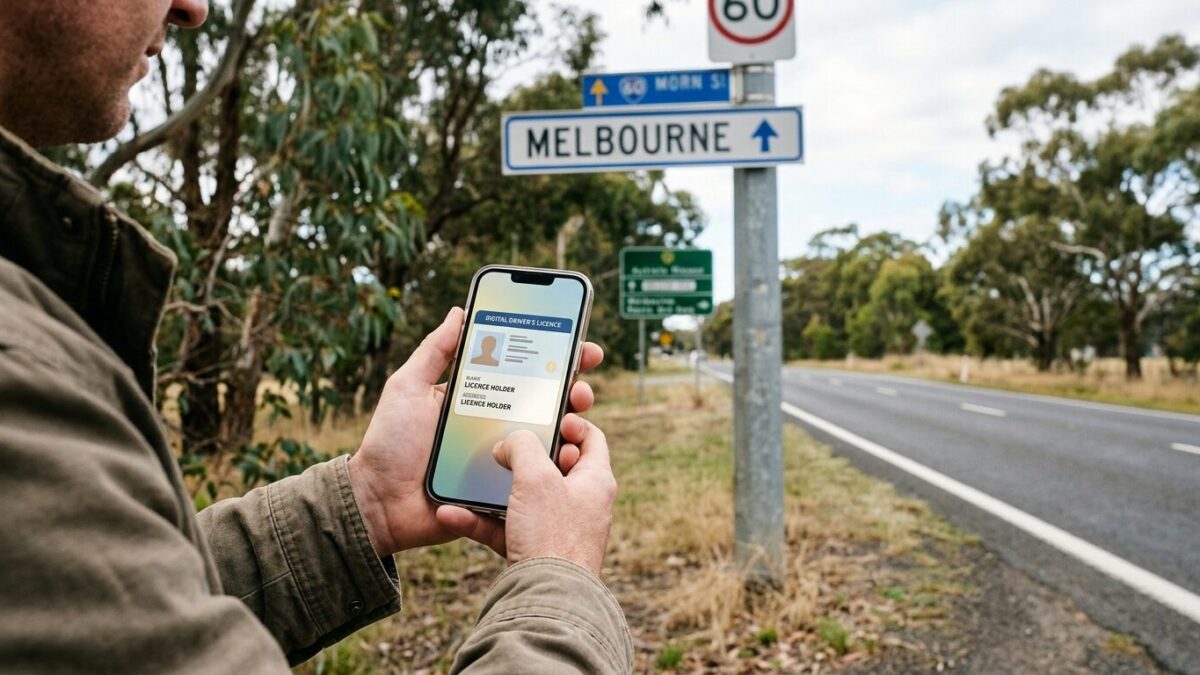
Thousands of motorists in Australia’s Northern Territory will soon be able to keep their driver’s licence on a smartphone as the state and territory system moves closer to a fully digital model. The change, announced by the NT government on Sunday under the Motor Vehicles Amendment (Digital Licences) Bill 2026, comes as most other jurisdictions in the country already use digital licences.
NSW, Victoria, Queensland and South Australia have had digital licences in circulation for some time. Western Australia is set to follow soon, leaving the Northern Territory as the next region to join a shift that is steadily replacing the old plastic card with a phone-based version.
What Territorians will be able to do
Once the NT version is available later this year, drivers will be able to use it to prove they are authorised to drive, show they are over 18 and confirm their identity in participating situations. The government says the digital licence will also work without mobile data coverage, a practical detail for people travelling through regional and remote parts of the territory.
That offline function matters. In the NT, phone reception can disappear quickly once the road stretches away from town. A digital card that still opens when there is no signal removes one of the biggest worries about mobile-only identification.
Physical cards still have a role
Even with the rollout, Territorians will still be encouraged to carry their physical licence when travelling interstate or overseas while national cross-border recognition arrangements continue to develop. That warning reflects a broader problem Australia has yet to fully solve: digital identity tools may work within a state or territory, but they do not always travel cleanly across borders.
For now, the change is aimed squarely at making life easier at home. Drivers can keep one less card in their wallet, and in many everyday checks the phone will do the job.
A wider shift in identity checks
The NT move fits into a broader international trend toward mobile identification and digital credentials. Governments in several countries have been testing ways to reduce reliance on physical documents, while still trying to preserve security and accessibility for people with patchy connectivity or limited digital access.
Australia’s patchwork rollout shows how that transition often happens: state by state, with each jurisdiction setting its own pace and rules. The Northern Territory’s plan pushes the country a step closer to a nationwide digital licence system, even if full recognition across borders is still a work in progress.
The next test is simple. The territory has put the legal framework in place. Later this year, Territorians will find out how smoothly the digital licence works on the ground — in shops, at checkpoints and wherever identity needs to be shown in a hurry.