Florida’s 30A beaches become flashpoint over who can claim the sand
SANTA ROSA BEACH, Fla. — A strip of Florida’s Gulf Coast that draws visitors for its white sand and clear water has become the center
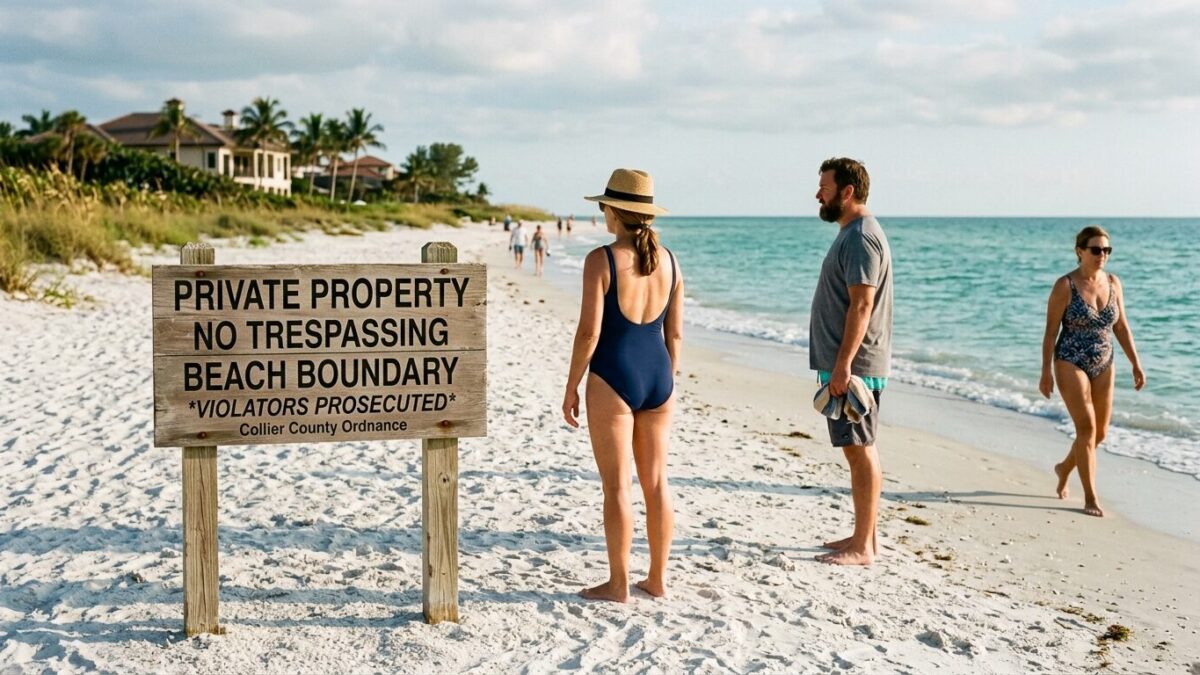
SANTA ROSA BEACH, Fla. — A strip of Florida’s Gulf Coast that draws visitors for its white sand and clear water has become the center of a bitter fight over beach access. In Walton County, where upscale communities line Scenic Highway 30A, the question is simple to ask and hard to settle: where does private property end and the public beach begin?
The answer has turned messy. For years, the county has been caught in a rolling dispute involving local efforts to keep beaches open, changes in state law and lawsuits from landowners. The result is a patchwork that leaves beachgoers guessing where they can put down a chair, plant an umbrella or simply walk without crossing a line.
A coastline with no easy boundary
Walton County stretches across 26 miles of shoreline and includes beach towns such as Seaside, WaterColor and Alys Beach. The shoreline itself is part of the draw. The sand is famously fine. It squeaks underfoot. But the same coast that sells an image of open sky and open water has become a legal and political battleground.
Property owners argue one side of the case. Beachgoers argue the other. In between sits the state, county officials and a public that is trying to understand what is allowed from one stretch of sand to the next. That uncertainty has only deepened as the fight has spread beyond this part of the Panhandle.
A broader warning for Florida
Residents across the state are now watching closely, because the dispute in Walton County has taken on a larger meaning. Florida beach lovers see it as a test of whether access to the shoreline can be preserved when private development pushes hard against the public edge.
The issue is stirring talk of a Florida constitutional amendment that would settle the question once and for all. Supporters see it as a way to lock in public access. Others are likely to see it as a challenge to property rights. Either way, the stakes reach well beyond one county.
“Our beaches should be public,” Dave Ra said.