U.S. Labor Department watchdog details harassment findings against ex-secretary Lori Chavez-DeRemer
The U.S. Labor Department’s internal watchdog has concluded that former Labor Secretary Lori Chavez-DeRemer broke department rules against workplace harassme...
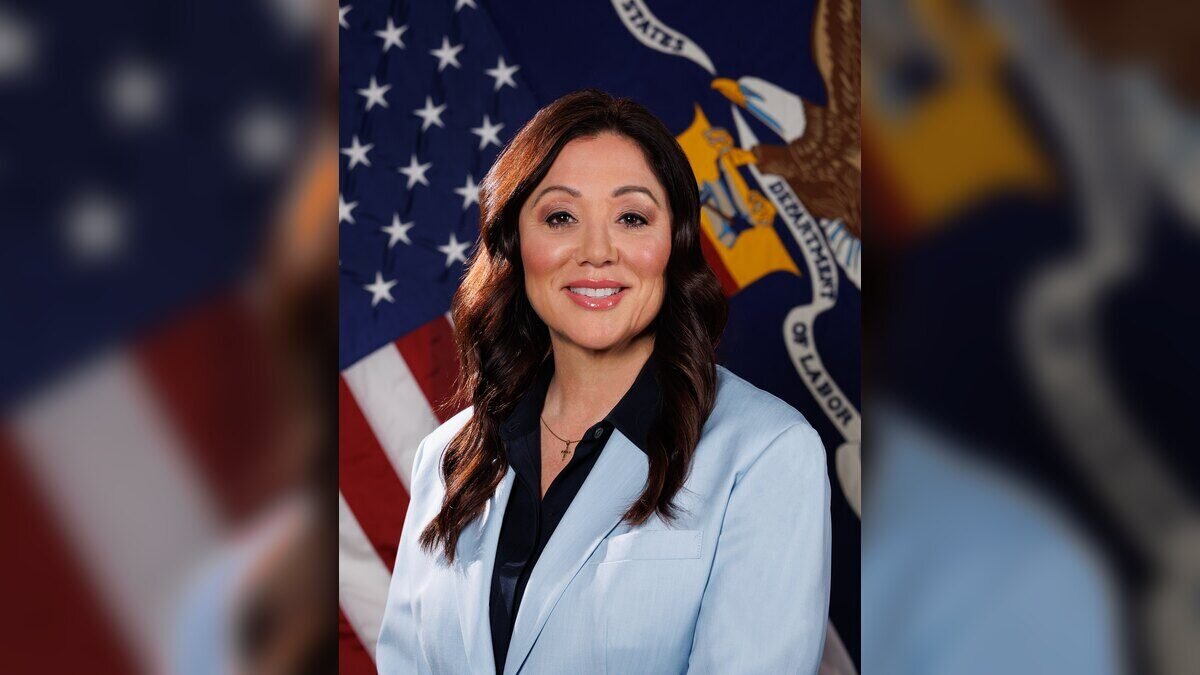
The U.S. Labor Department’s internal watchdog has concluded that former Labor Secretary Lori Chavez-DeRemer broke department rules against workplace harassment. The findings, released Thursday, come after Chavez-DeRemer resigned in April and cap a months-long inquiry triggered by an anonymous complaint.
What investigators examined
The Labor Department Office of Inspector General said the complaint accused Chavez-DeRemer of helping create a hostile work environment. It also alleged an inappropriate relationship with a member of her security detail, failure to follow travel rules and orders to subordinates to do personal tasks for her.
The report does not just linger on one allegation. It paints a broader picture of dysfunction inside the department’s top ranks. The watchdog, now led by former Republican Congressman Anthony D'Esposito of New York, reviewed claims that touched workplace conduct, use of staff time and compliance with travel procedures.
One line stood out. The secretary, the report said, violated her own department policy prohibiting harassment in the workplace.
A messy culture problem
The allegations quickly took on a life of their own in Washington, with some observers joking about “The Real Housewives of the Frances Perkins Building,” a reference to the Labor Department headquarters. The quip captured the tone around a serious inquiry, but the underlying issue was real enough. Harassment policy. Travel rules. Staff boundaries. All of it.
That matters beyond one cabinet department. Labor agencies are supposed to set standards for employers, workers and workplace conduct. When the cabinet secretary herself is accused of ignoring basic rules, the fallout reaches past one office suite and into the credibility of the institution.
Chavez-DeRemer left the post in April, but the inspector general’s work carried on for months after the anonymous complaint landed. The release now puts the department’s internal management under a sharper light, and it leaves open questions about how much of the reported dysfunction sat at the very top.
For now, the watchdog’s conclusion is blunt. Chavez-DeRemer violated the policy her own department was meant to enforce.