Allies Question Washington as Trump’s Wars and Diplomacy Shake Trust
Countries around the world are rethinking how far they can trust the United States, as Donald Trump pushes America away from old alliances and into
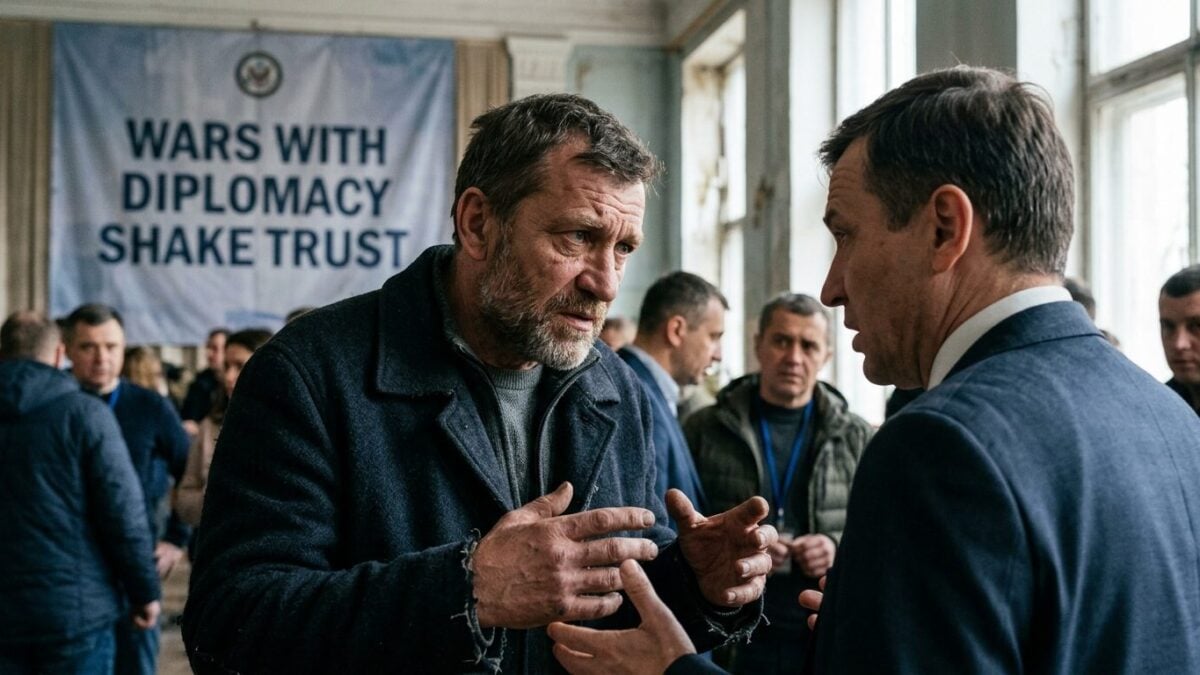
Countries around the world are rethinking how far they can trust the United States, as Donald Trump pushes America away from old alliances and into a war that has left many of its Middle East partners exposed to Iranian attack. The shift is forcing allies to ask a blunt question: what does it now cost to stay close to Washington?
The unease is spreading. In Europe, governments are watching Russian incursions into airspace, drone attacks in Germany and Poland, and attempts to interfere in political campaigns. In the Northern Hemisphere, officials are also increasingly worried that the Ukraine war and Gulf conflict are starting to blur together, with ties between Iran and Russia deepening and reports of technological cooperation on weapons continuing to surface.
A wider reassessment
The broad re-evaluation of America’s role has become one of the defining themes in global politics over the past 18 months. The concern is not only whether Washington will stand by its allies. It is also whether alliance with the US now brings a heavier burden than many countries once assumed.
That question is landing differently from capital to capital. Some governments are looking harder at their own security plans. Others are reconsidering diplomatic habits built over decades of American leadership. The old assumption — that the US would remain the anchor of the western alliance system — looks shakier than it once did.
In the Middle East, Trump’s war has made the vulnerability of America’s partners impossible to ignore. In Europe, the pressure comes from a different direction, but the effect is similar. States that once expected Washington to steady the system are now weighing how much exposure they are willing to accept.
Europe feels the strain
The European reaction has grown sharper as Russian activity presses closer to home. Airspace violations have added to the anxiety. So have drone attacks in Germany and Poland, and signs of meddling in domestic political campaigns. The concern is not abstract. It is immediate.
For many European leaders, the issue is no longer whether the transatlantic relationship matters. It does. The harder part is judging whether it still works the way it used to. That uncertainty is reshaping debates over defence, resilience and political independence across the continent.
Australia, by contrast, appears to be moving differently. While governments in other regions reassess their ties with the United States, federal politics in Canberra seems reluctant to address the “large orange elephant in the room,” even as the wider world recalculates its interests. The silence is striking.
One more layer stands out. Iran and Russia are drawing closer, and their technological cooperation on weapons keeps attracting attention. If that partnership deepens, the overlap between the Ukraine conflict and tensions in the Gulf could sharpen further. The next test for Washington’s allies may come soon, and it will not be simple.