Anak Krakatau Ashfall: Dangerous Silica Particles Blanket Indonesia
Volcanic ash from Mount Anak Krakatau reaches Greater Jakarta. Experts warn of sharp silica particles threatening respiratory health and property.
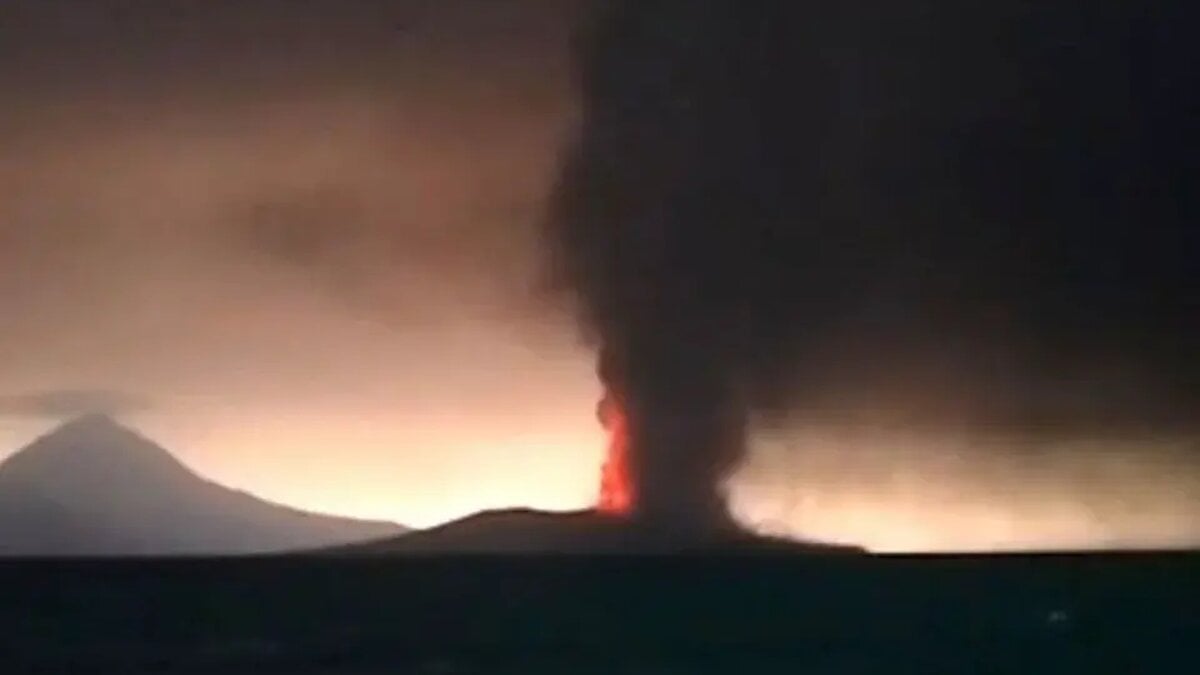
JAKARTA — A significant plume of volcanic ash from the Mount Anak Krakatau eruption has blanketed parts of West Java, Banten, and the Greater Jakarta area (Jabodetabek) as of Sunday, Sept. 6, 2026. Experts are urging residents to treat the debris as a serious hazard rather than common dust, warning that the ash contains microscopic, razor-sharp silica particles.
Dicky Budiman, a global health security researcher at Griffith University and disaster management lecturer at YARSI University in Jakarta, emphasized that the material resembles pulverized glass. “These particles are sharp and abrasive. They can cause severe irritation to the eyes, nose, throat, and skin,” Budiman stated. He specifically advised residents against rubbing their eyes or wiping ash off surfaces, as the silica can easily scratch delicate skin and even damage automotive paint.
The hidden danger of volcanic silica
The threat extends beyond surface irritation. Dr. Daryono, an official with the Indonesian Society for Disaster Experts (IABI), explained that the particles, measuring less than 2 millimeters, are small enough to bypass the body's natural nasal filters. Once inhaled, they can reach the alveoli—the tiny air sacs in the lungs—potentially causing long-term damage such as silicosis, a permanent scarring of lung tissue.
The chemical profile of the ash further compounds the risk. According to field reports, the particles are often coated in acidic compounds, including sulfuric and hydrochloric acid, alongside heavy metals. When these acidic materials come into contact with moist surfaces like the lungs or eyes, they can induce painful inflammation and respiratory distress, particularly in vulnerable individuals such as asthma patients.
Health emergency protocols activated
In response to the expanding plume, Indonesia’s Ministry of Health has activated the Health Emergency Operating Center (HEOC) in the affected regions to accelerate medical interventions. Local health offices, including in Tangerang, have begun issuing public warnings as the ash layer becomes more pronounced in urban centers.
Protective measures for residents
Public health authorities have outlined strict guidelines to minimize exposure while the ash remains in the atmosphere:
- Limit outdoor activity: Stay indoors and keep windows and doors tightly sealed to prevent indoor air contamination.
- Use high-filtration masks: Standard fabric masks are insufficient. Use N95 or KN95 respirators to effectively block microscopic silica particles.
- Protect your eyes: Wear protective eyewear. If eyes are exposed, flush them with clean water immediately; do not rub them to avoid corneal abrasions.
- Safe cleaning: Rinse ash off surfaces, including vehicles, with water before scrubbing to prevent abrasive damage.
- Protect food and water: Ensure all water sources and food supplies are covered and sealed to avoid contamination from acidic deposits.
As the situation develops, the primary concern remains the scale of the fallout and the capacity of regional healthcare facilities to handle an influx of respiratory and ocular complaints. Residents are advised to monitor official government channels and seek medical attention immediately if they experience persistent chest pain, difficulty breathing, or severe eye irritation.