Australia’s push for ‘basic’ homes stirs a debate over speed, standards and future costs
?s opposition is promising faster approvals and simpler rules to get more homes built, but the plan is already raising a harder question: what gets
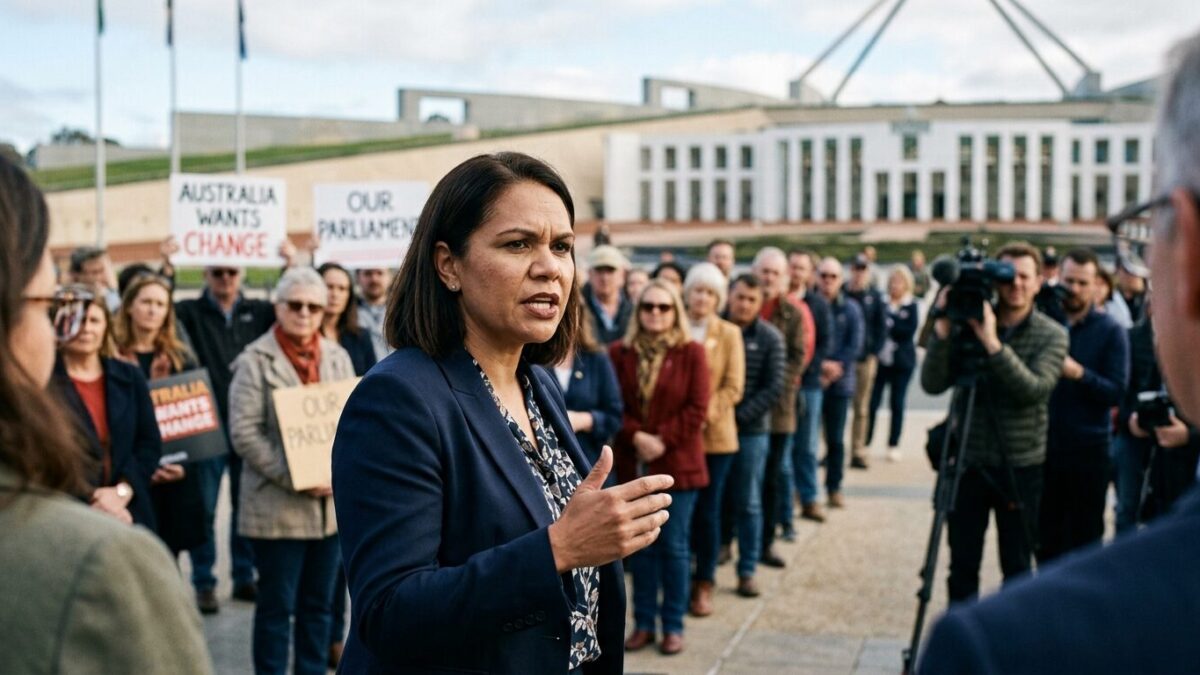
Australia’s opposition is promising faster approvals and simpler rules to get more homes built, but the plan is already raising a harder question: what gets lost when builders are told to do less. Some young people like the idea of a cheaper first home. Others worry today’s savings could turn into higher power bills and expensive renovations later.
The Coalition wants to strip back red tape and shift away from what it calls “woke palaces” toward more “basic” homes, framing the change as part of the response to Australia’s housing crisis. Opposition Leader Angus Taylor said late last month: “Get rid of red tape, get approvals through, make it easier.” He added, “We don’t all need to live in woke palaces.”
A smaller house, or a thinner one?
Shadow Minister for Housing Andrew Bragg has gone further, urging a drastic cut to Australia’s National Construction Code. He says some energy efficiency and accessibility measures should be treated as “optional extras” rather than built in from the start. The pitch is simple. Build faster. Build cheaper. Build more.
Bragg likened the idea to buying a basic first car instead of a Lamborghini. He says a basic Australian standard would speed construction and help homes get out of the ground sooner. But the comparison cuts both ways. A stripped-down car is one thing. A home that needs fixing for years is another.
Bragg was later forced to back-pedal after initially agreeing that such homes would be “substandard”. He then insisted they would not be substandard, saying: “They will not be substandard, they will be strong, safe, secure, and w...
What buyers could pay for later
That gap between cheaper upfront costs and longer-term bills is where the criticism is landing. Some warn that cutting back on energy efficiency could leave households paying more for electricity over time. Accessibility features matter too, especially for residents who need homes that are easier to enter and use safely. Leave those out now, and the bill may come back in a different envelope.
Young people’s reaction has been mixed. For some, the promise of a lower-priced home is appealing in a market that has shut many out. For others, the trade-off feels obvious. If the home is cheaper at the start but needs upgrades soon after, the headline price can be misleading. Not cheap, really.
The debate is likely to keep circling around one basic question: should Australia loosen construction rules to make homes easier to build, even if that means more energy use and fewer accessible features baked in from day one? The Coalition says yes. Critics are warning the savings may not stay savings for long.