Seven aid workers killed on Gaza road were marked as targets after WCK convoy, Guardian says
International aid workers were killed when Israeli drones struck three clearly marked World Central Kitchen vehicles in Gaza after a food delivery run to
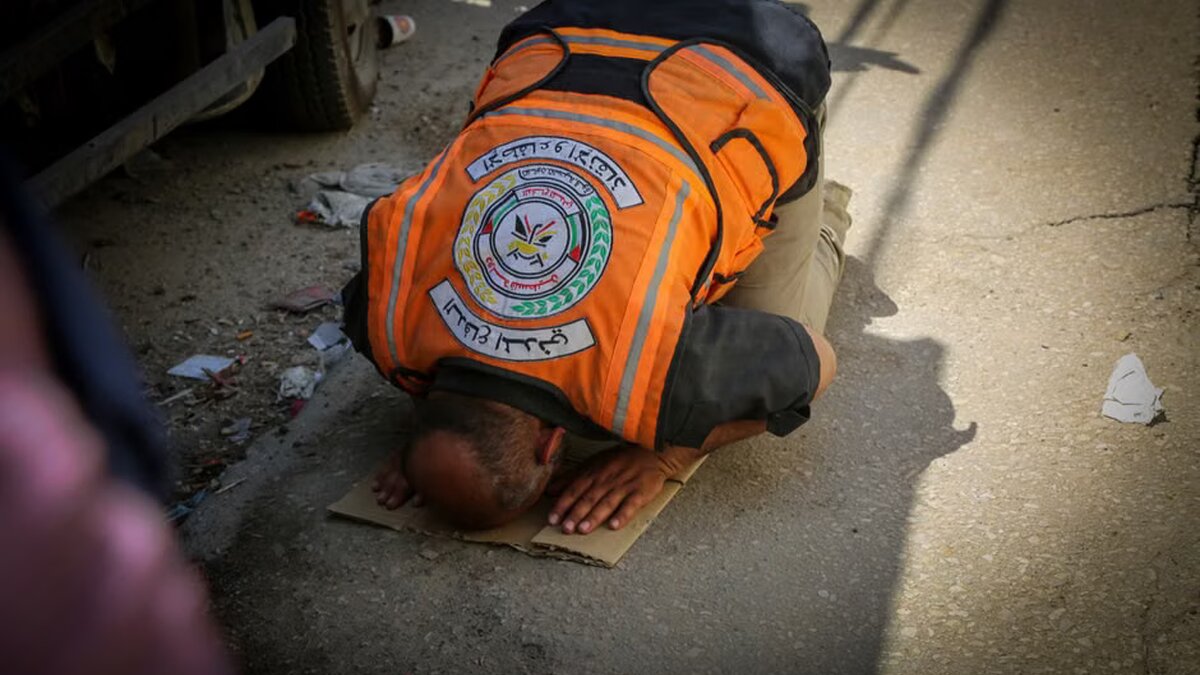
Seven international aid workers were killed when Israeli drones struck three clearly marked World Central Kitchen vehicles in Gaza after a food delivery run to Rafah, according to a Guardian investigation published on September 5, 2026. The report says the convoy had already helped deliver aid along a route planned with the Israeli army, only for the mission to end in death on the road.
The attack took place on the evening of April 1, 2024, after the team stood on Gaza’s Mediterranean shore watching a barge unload food at a makeshift jetty built from sand, rubble and debris from a bombed house. The enclave had been under intense strain for months. Israel’s closure of land crossings had left the territory facing the threat of famine.
A sea route built under fire
World Central Kitchen and local Palestinian contractors built the jetty so humanitarian cargo could come by boat from Cyprus. A first shipment of 200 tonnes of rice, flour and other proteins had reached Gaza two weeks earlier, the first sea delivery to dock there since 2007. The second shipment was larger, enough for more than 1 million meals, and it also included a Ramadan gift of dates from the United Arab Emirates.
What followed was supposed to be controlled and routine. It was not. The Guardian says the Israeli army had helped plan the delivery, but the operation went off track from the start and ended with seven dead aid workers.
The people killed
The dead included three British humanitarian workers, an Australian, a Palestinian, a Pole and a dual US-Canadian national. The strike hit three WCK cars soon after they had escorted the food delivery into Gaza.
Last month, a top Israeli military prosecutor said he would not pursue criminal proceedings over the incident. The official IDF account blamed a handful of officers for mistakes. It also said the victims were at fault for hiring armed guards for the convoy and for allegedly straying from the agreed route.
‘Guilt by association’
But the Guardian investigation says senior Israeli officers involved in the incident, or familiar with the inquiry, suggest the official version left out a crucial detail: the convoy was marked as a target under a military practice of “guilt by association.” The paper says that tactic is widely used.
That raises a wider question far beyond one night in Gaza. When aid convoys move through a war zone, they depend on coordination, visible markings and predictable routes. If those safeguards fail, the risk lands first on the people carrying food, medicine and water.
The Gaza war had already pushed the enclave toward famine by the time the convoy moved on the road to Rafah. What happens next now matters well beyond this case: the prosecutor’s decision is already on record, and the new reporting puts fresh pressure on the army’s account of why the missiles were fired.