Afghan Women Who Fled Kabul for Safety in America Find Their Futures Paused
Hundreds of Afghan women who escaped Kabul after the Taliban’s return now face a quieter struggle in the United States: rebuilding lives after losing the
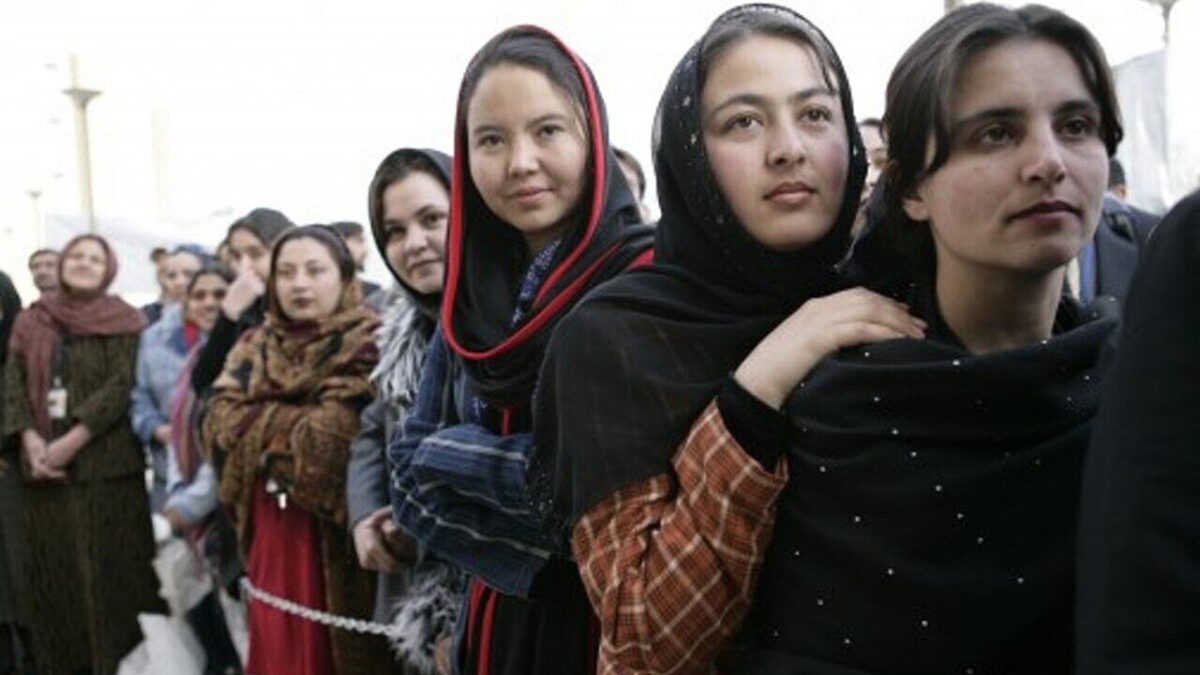
Hundreds of Afghan women who escaped Kabul after the Taliban’s return now face a quieter struggle in the United States: rebuilding lives after losing the careers and public roles they spent years earning. Their flight, and the international network that helped them out, is at the heart of Karen Bartlett’s The Escape from Kabul, which won the 2026 Orwell Prize for Political Writing.
The book tells the story of nearly 200 women judges and family members who slipped out of Afghanistan after August 2021, when Western forces withdrew and the Taliban retook control. Many of those women had helped shape Afghanistan’s courts over two decades, earning law degrees, taking the bench and working on corruption and violence against women and children. Then everything changed. Fast.
A rescue built on professional solidarity
Bartlett’s account focuses on a network that reached well beyond Afghanistan. Judges, lawyers and professional colleagues in other countries helped coordinate the escape of the women judges and their relatives, who faced grave danger under the new Taliban order. The book was described by the Orwell Foundation as a story of women who helped build a modern democracy and then had to flee it.
The prize adds attention to a story that has often been overshadowed by the broader collapse of Afghanistan’s institutions. It also lands as Afghan women remain locked out of most formal education and public life under Taliban rule. For many, exile brought physical safety. It did not bring back the careers they had built.
Education, narrowed to a sliver
Across Afghanistan, girls and women now face a stripped-down set of options once they move beyond primary school. In one recent case reported by the BBC, a 19-year-old woman named Alia traveled hundreds of miles from her village to Kabul to avoid being forced into marriage. She rode by taxi with a female cousin, both covered head to toe, in a journey that was risky under Taliban travel rules requiring a male escort for long-distance trips.
Alia made it to the capital and enrolled in an English-language course. That was her plan. But the course itself points to the narrow path now open to many Afghan girls: short private classes that only families with money can afford, or madrasas focused on religious education. Neither comes close to a full education.
The contrast is stark. In one country, women judges once helped run courts. In the same country now, teenage girls may need to cross provinces simply to sit in a classroom.
Life after the escape
The human cost of the Taliban’s takeover did not end at the border. For women who were prominent in public life, departure meant leaving not only home but also work, status and the institutions they helped build. One Afghan women’s rights figure, Mahbouba Seraj, stayed in Kabul for years after the U.S. withdrawal, trying to keep a shelter for abused women open before its residents were forced onto buses and taken away anyway.
That story captures the wider arc for Afghan women since 2021. Some fled. Some stayed and kept resisting. All of them were pushed into a harsher reality as international attention drifted elsewhere.
For Bartlett, whose book traces the rescue of nearly 200 women judges and their families, the ending is not neat. The escape worked. The lives they left behind did not. “These women devoted their lives to build Afghanistan’s justice system,” the interview transcript on the book said, and after the withdrawal, they and their families faced life-threatening peril.