Indonesia Lawmaker Urges Enhanced Health Preparedness Amid Volcanic Eruptions
Commission IX lawmaker Ranny Fahd Arafiq demands urgent medical readiness to safeguard citizens from severe volcanic ash exposure across Indonesia.
JAKARTA — Increased volcanic activity across Indonesia has triggered urgent calls for a bolstered public health response to mitigate the long-term respiratory and dermatological risks posed by falling ash. Ranny Fahd Arafiq, a member of Commission IX of the House of Representatives (DPR RI) overseeing health and manpower, has pressed the government to elevate medical readiness as a core pillar of disaster management.
As volcanic plumes continue to disperse across populated areas, the lawmaker emphasized that reactive measures are insufficient. She asserted that the government must prioritize the proactive deployment of medical supplies and the readiness of health facilities, particularly for those living in the immediate vicinity of active vents.
Risks to Vulnerable Populations
Volcanic ash presents a dual threat, affecting both external surfaces and internal organs. Fine particulate matter poses significant hazards to the eyes, skin, and respiratory systems, particularly for individuals with pre-existing conditions. "Volcanic ash is not ordinary dust. When inhaled, it impairs respiratory passages, irritates eyes and skin, and severely complicates the health of those with pre-existing respiratory issues," Ranny noted.
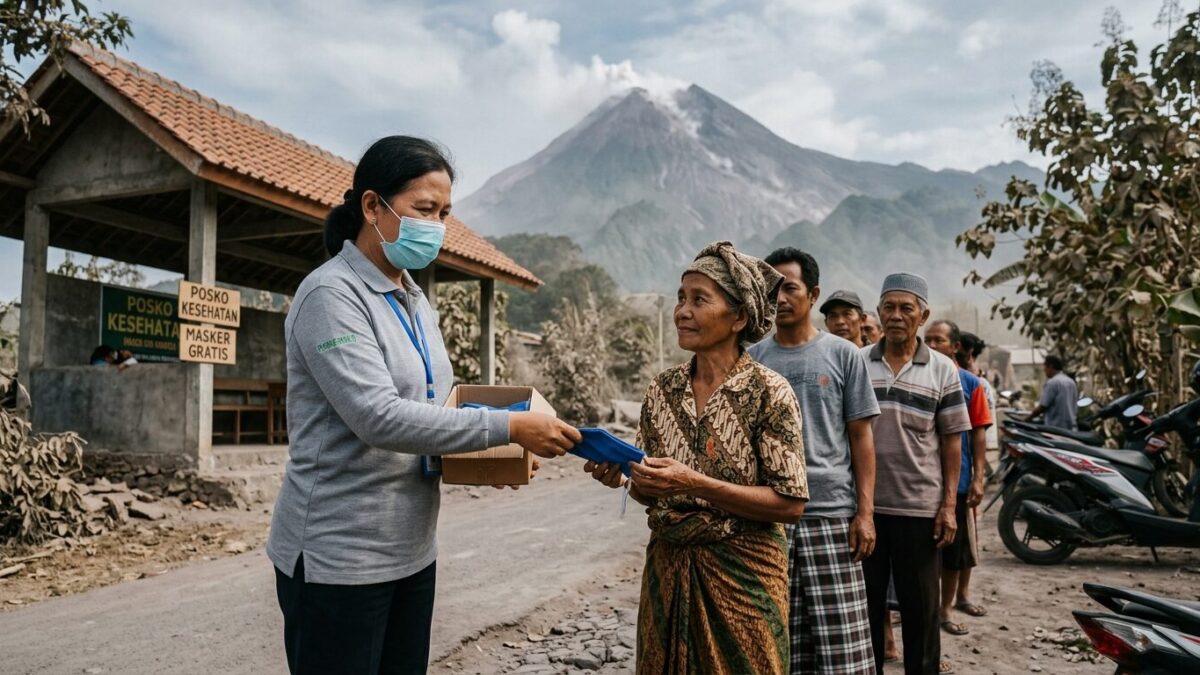
The legislator urged authorities to ensure that basic health facilities, including community health centers (Puskesmas) and regional referral hospitals, remain in a state of high alert. The mandate includes the widespread distribution of specialized masks and essential medications to prevent a surge in respiratory illnesses among high-risk groups, including children, the elderly, and pregnant women.
Sanitation and Preventive Infrastructure
Beyond the immediate inhalation hazards, the integrity of local infrastructure remains a focal point for the committee. Displaced residents in evacuation centers face increased risks from degraded sanitary conditions if water and food supplies are not stringently managed.
The House of Representatives has called for an integrated emergency response that places clean water access and environmental sanitation on equal footing with clinical treatment. Officials stressed that preventing widespread outbreaks in the aftermath of an eruption is significantly more effective than treating casualties after they have already manifested symptoms.
"We must not wait for the public to become ill before taking action. The health system must be fully prepared before the impact escalates," said Ranny Fahd Arafiq.