One Nation’s rise in Australia stretches from vote gains to policy gambits
Is no longer just a protest vote in Australia. The right-wing party has turned recent electoral gains into a louder national presence, while
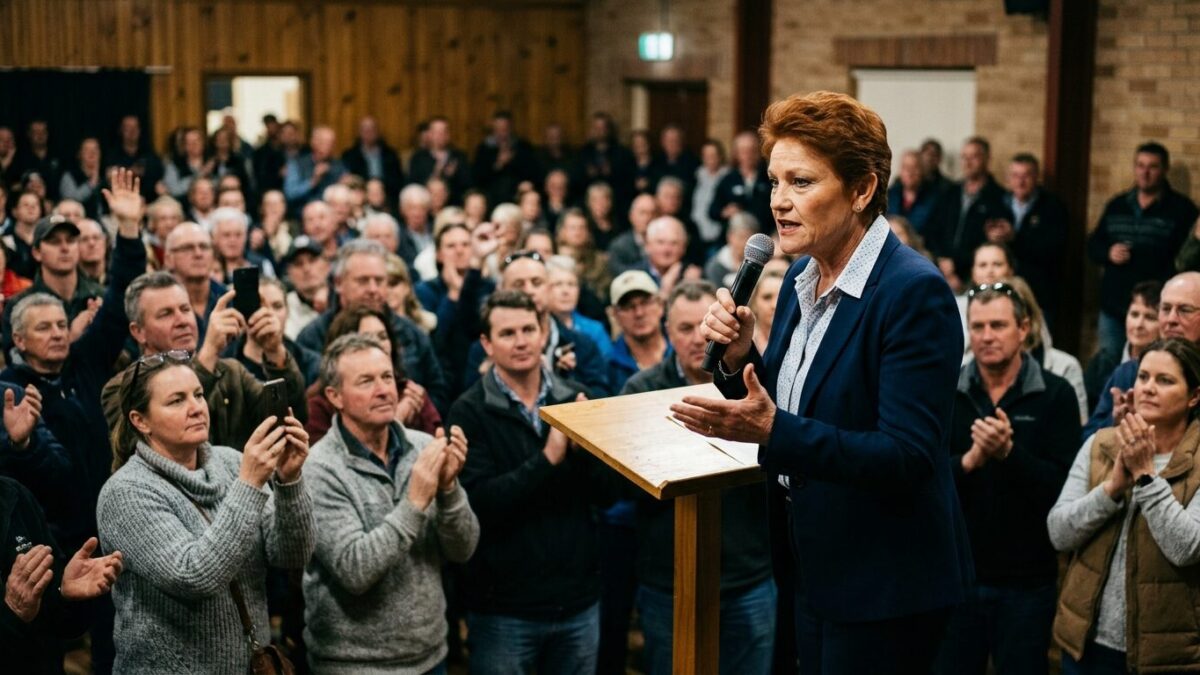
One Nation is no longer just a protest vote in Australia. The right-wing party has turned recent electoral gains into a louder national presence, while also pressing policy demands that keep major parties guessing.
That shift matters far beyond Canberra. In South Australia and the New South Wales seat of Farrer, One Nation has posted noticeable breakthroughs, feeding debate over whether the party can now shape conservative politics rather than merely disrupt it.
Electoral gains spread beyond Queensland
The clearest sign of momentum came in South Australia, where One Nation secured its first electoral breakthrough outside Pauline Hanson’s home state of Queensland. The party finished with the second-highest vote total in the state election, topping 20% and winning at least three candidates elected, mostly at the expense of the main conservative Liberal opposition.
Hanson, who first entered parliament three decades ago as a political outsider and fish-and-chip shop owner with little experience, has spent years on the edge of Australian politics. Support for her party has risen and fallen, but recent results suggest a more durable base among voters frustrated with the main parties.
In Farrer, a byelection to replace longtime Liberal member Sussan Ley, One Nation’s David Farley took almost 40% of the primary vote and 57% of the final two-candidate count on the current tally. The swing ran through the electorate, including regional centres such as Albury, though the strongest gains came in rural areas.
A possible deal, with risks attached
Those numbers have sharpened a question on the right: should One Nation and the Coalition try to work together? Liberal frontbencher Tony Pasin recently argued the two should “work hand-in-glove to defeat Labor,” and suggested they avoid competing in the same seats.
That idea has traction in parts of the conservative camp. One Nation leader Pauline Hanson has outlined her own demands for any pact, while newly installed Liberal Party president Tony Abbott has also signalled support for a preference deal with the party.
But the calculation is fraught. A split anti-Labor vote can hurt both sides if they compete for the same voters. A formal arrangement could also deepen the sense that the Coalition is leaning on a populist party that has built its brand on anger at the political mainstream.
Why the party’s advance matters
One Nation’s rise is not happening in isolation. It comes as voters in more than one state show willingness to back the party at levels that would once have seemed out of reach. The pattern suggests its appeal now stretches beyond one region and into places where the major parties have struggled to hold their ground.
For the Coalition, that creates a blunt choice. Ignore One Nation and risk splitting the anti-Labor vote. Work with it, and risk giving the party more legitimacy.
The numbers from Farrer underline the point. Farley’s final tally stood at 57% in the two-candidate count, a result that would have been hard to imagine for One Nation not long ago.