Single-sex classes help lift VCE results at Melbourne private school, principal says
At Tintern Grammar in Melbourne’s east, boys and girls learn separately through the early years, then meet at lunch, in orchestras, on stage and out
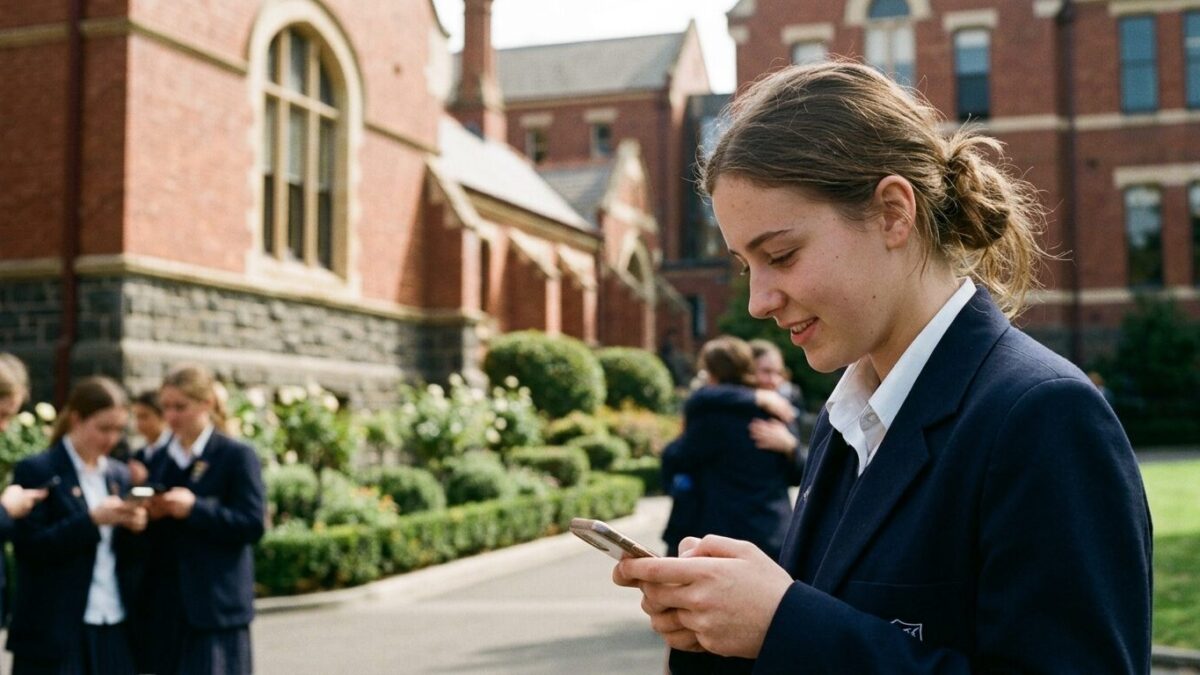
At Tintern Grammar in Melbourne’s east, boys and girls learn separately through the early years, then meet at lunch, in orchestras, on stage and out on the school farm. The school says that split approach is helping students arrive better prepared for VCE.
New principal Brad Fry, who joined the Ringwood East school in 2015, points to the model as one reason Tintern has been named The Age’s 2026 Schools that Excel winner for the eastern Melbourne region. The annual award tracks schools that have made strong gains in VCE results over the past decade. Tintern is among the latest examples of a broader debate in education: whether separating students by sex can improve learning, behaviour and confidence, or simply repackages old divisions in a modern setting.
A school that has changed shape more than once
Tintern Grammar has not had a straight path. It started as a co-educational school, later became girls-only, then opened a separate boys campus before returning to co-education. Under the current system, students are taught in single-gender classes from prep to year 9. They mix across the school day for lunch and for activities outside the classroom.
That includes orchestra, drama productions and time on the farm. The structure keeps some separation in the classroom while still giving students shared social and creative spaces. Fry says that balance matters.
“I think the model we have is one of the key things that gets them ready for VCE,” he said. “We can instil a lot of really positive attitudes and dispositions by virtue of the fact that they’ve been parallel.”
Results the school links to the model
The school’s improvement is central to the award. The Age’s Schools that Excel series highlights institutions that have posted notable advancement in VCE results over the past 10 years. Tintern’s rise has been sharp enough to draw attention beyond Melbourne’s eastern suburbs.
In 2016, the school recorded a median study score of 32. During the depths of the COVID-19 pandemic, that figure later climbed, according to the material cited by the school’s award profile. Tintern now presents the two-stream model as part of the explanation, not the only one.
That is where the wider question comes in. Single-sex teaching has long had supporters who argue it reduces distraction and encourages participation, especially in the middle school years. Critics, including many educators in mixed systems, say the evidence is mixed and that school culture, teacher quality and resources often matter more than seating arrangements. The Tintern example lands inside that wider argument, at a time when schools across several countries are still wrestling with how to boost academic performance without narrowing student experience.
Why the debate matters beyond one school
For families, the appeal is often practical. Parents weighing private school options look for signs that a school can lift results while still offering broad social development. Tintern is trying to show both: targeted classes for learning, then mixed activities for the messier business of growing up.
That model also fits a larger global education conversation. Around the world, schools are under pressure to lift test scores, address student wellbeing and keep classrooms inclusive. Some systems lean on separation by ability, language or gender; others push harder toward fully mixed settings. Tintern’s approach sits somewhere in the middle. Not fully segregated, not fully conventional either.
For Fry, the takeaway is clear enough. The school wants the classroom structure to do part of the work before students reach the VCE years. And for Tintern Grammar, the latest proof point is a regional award tied to one number schools watch closely: the median study score, which stood at 32 in 2016.