AfD rout in Saxony-Anhalt jolts Germany’s political firewall, but power still out of reach
Germany’s far right has forced a new political reckoning. The Alternative for Germany, or AfD, won more than 44% of the vote in Saxony-Anhalt in
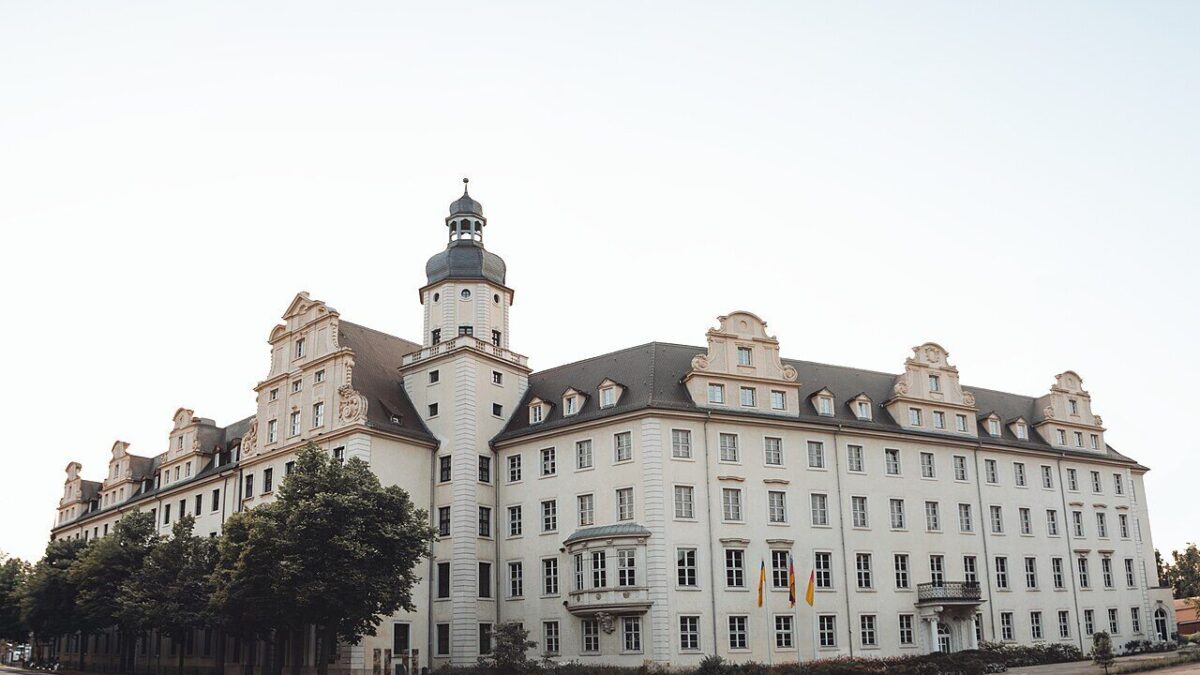
Germany’s far right has forced a new political reckoning. The Alternative for Germany, or AfD, won more than 44% of the vote in Saxony-Anhalt in a weekend state election, a surge that stunned the country’s political class and echoed far beyond Berlin.
The result was a record-turnout vote and a dramatic leap from the party’s 2021 showing. But even with such a strong performance, the AfD fell short of an outright majority, leaving it dependent on a coalition partner — something Germany’s mainstream parties have long vowed not to provide.
A test of Germany’s postwar guardrails
For decades, major parties on both the left and right have kept what they call a “firewall” in place around the AfD, refusing to govern with it. That practice has helped keep a far-right party out of power in Germany since the Second World War. This election put that convention under its severest strain yet.
The AfD won more votes in Saxony-Anhalt than any other party has there in more than ten years. That alone marks a political break. The party also gained this ground in a branch that Germany’s federal body charged with protecting democracy has formally described, underscoring how deeply the result cuts into the country’s political establishment.
Coalition math still blocks a takeover
Despite the scale of the win, the numbers still matter. German politics is built around coalition government, and the AfD does not have enough seats on its own to govern. With other parties maintaining their refusal to work with it, the path to power remains blocked — at least for now.
That tension is what makes the Saxony-Anhalt vote so disruptive. The AfD does not need to enter government to reshape the debate. A result of this size can force rivals to rethink strategy, harden existing lines and argue over how to respond to voters who have moved sharply to the right.
What comes next in Berlin
The election has sent shock waves across Germany and drawn attention well beyond its borders. It also arrives at a moment when Europe’s centrist parties are watching closely for signs of how far-right forces can convert protest votes into durable power without crossing into government.
For now, the firewall still holds. But the pressure on it is rising fast. The next test will come not just in Saxony-Anhalt, but in how Germany’s established parties answer the voters who just handed the AfD its biggest regional result in years.