Macron bans illegitimate protests as unrest spreads
French President Emmanuel Macron said demonstrations organised by groups without legitimate authority would be banned in the coming days, while recognised…
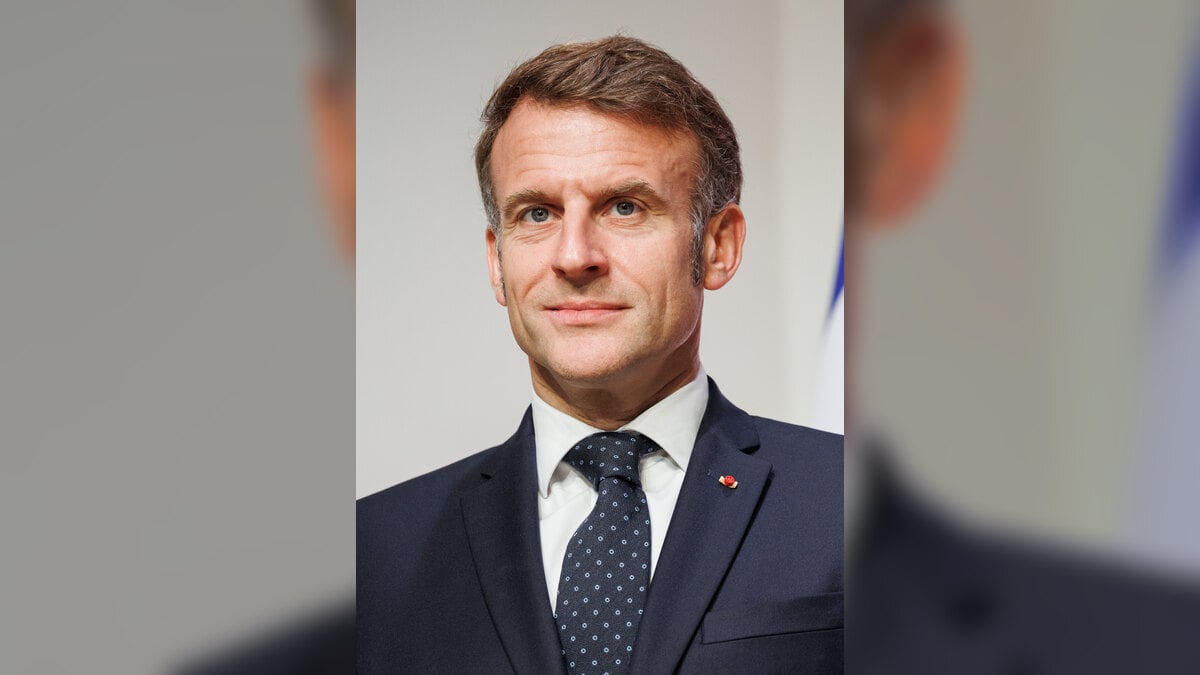
After violent unrest on the fringes of protests over living costs, French President Emmanuel Macron said “illegitimate” demonstrations would be banned in the coming days. The restrictions leave recognised groups able to organise marches, though authorities may change their routes, as France prepares for more nationwide rallies.
Macron announced the approach on Thursday after meeting intelligence officials and senior ministers. The government says it is seeking to protect city centres, businesses and public buildings while restoring calm.
“The priority is a return to calm,” Macron said. He said he would chair a defence council meeting on Friday to decide concrete next steps for nationwide demonstrations called for Saturday and afterwards.
Restrictions vary by city
Protests requested by individuals or groups “with no legitimate authority” would be prohibited, Macron said. Demonstrations organised by recognised groups would be allowed, although their routes could be changed. Requests from organisations such as trade unions would be examined under the law and could also face route changes.
“The general recommendation is that there should be no demonstrations in the coming days,” Macron said, describing the rules as simple and commonsense.
Local authorities have already set different limits. Lyon banned all protests in its centre on Saturday. Between 200 and 300 shops were ransacked and looted there last weekend, and the tourist office was set ablaze.
Authorities in Marseille, Nice and Toulon announced similar Saturday bans. In Paris, officials authorised a march planned in the east of the capital, starting at the Place de la Bastille, but barred it from entering the city centre. A separate march organised by students and some members of the gilets jaunes movement would not be permitted, authorities said.
An initial police ban on a student protest planned in Paris for Thursday was overturned by a court. Marches scheduled that day in Grenoble, Rouen, Le Havre and Toulon were halted.
Businesses prepare as arrests continue
The restrictions have direct consequences for demonstrators and city businesses: organisers may have to change routes or cancel events, while shops are taking precautions ahead of the rallies. French media reported that businesses in central Paris and other cities had begun boarding up windows and hiring private security.
The justice minister, Gérald Darmanin, said 174 of the 2,500 people arrested since last weekend’s rioting had been remanded in custody, while more than 900 were being prosecuted. Two people were arrested after Limoges town hall was set on fire.
Macron blamed some of the looting on rioters who came expressly to steal. He said the worst violence involved “political and seditious acts by ultra far-left groups who aimed to bring down the republic”.
The unrest followed demonstrations that began last month at a high school in Créteil, south-east of Paris. Students protested staff shortages and dilapidated buildings; the movement then spread nationwide through strikes, blockades and demonstrations by high-school pupils.
The protests later grew into demonstrations over soaring living costs. The government has also imposed partial night-time curfews in parts of several cities, including Paris, and restricted gatherings near the Élysée presidential palace, parliament and the capital’s main train stations.
France’s main student union, UNEF, has called for rallies on Saturday. Macron said Friday’s defence council meeting would determine the next steps for the demonstrations.
Source: theguardian.com