Australians report growing barriers to basic health care as bulk billing gaps and long waits bite
Are telling reporters that getting basic health care is getting harder, with complaints ranging from high out-of-pocket costs to long waits and p...
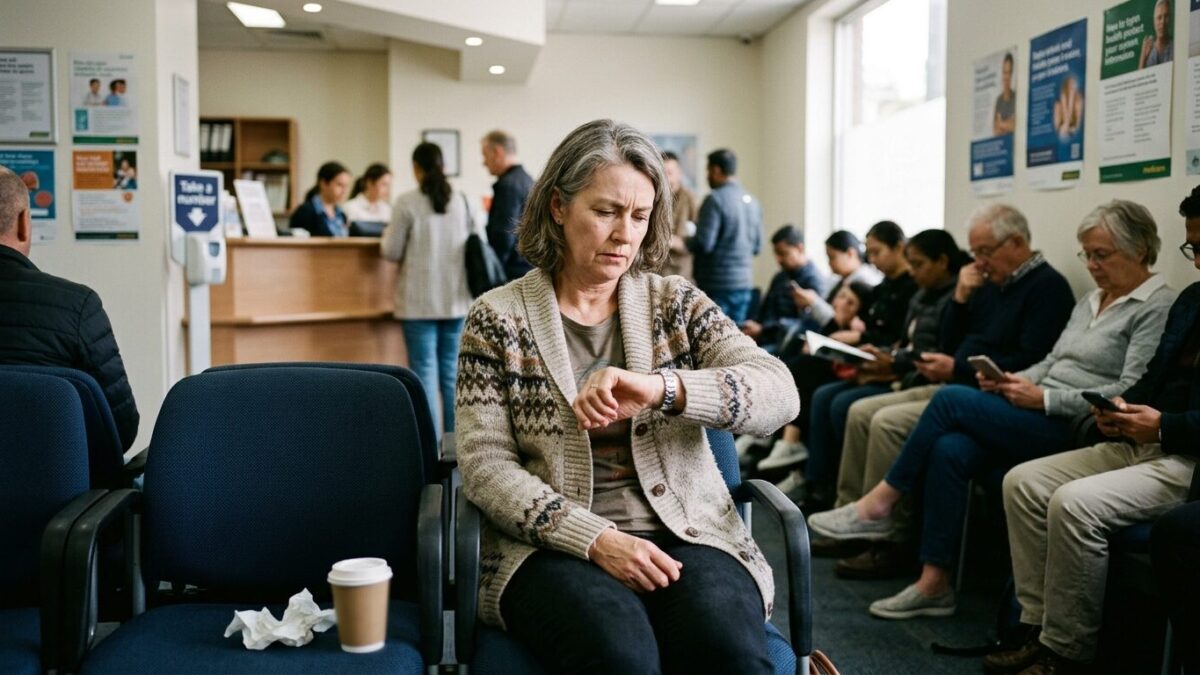
Australians are telling reporters that getting basic health care is getting harder, with complaints ranging from high out-of-pocket costs to long waits and punishing travel distances. The concerns surfaced in a live reader Q&A published on Sept. 8 and are likely to resonate well beyond Australia’s borders, where many health systems are under similar strain.
Readers shared personal experiences and questions about access to care, while the ABC’s health reporters Stephanie Dalzell and Lauren Roberts joined the discussion with Peter Breadon of the Grattan Institute. Their exchange focused on what happens when a GP clinic is too expensive, too far away or booked out for weeks. Simple problem. Big consequences.
Costs keep people away
One of the clearest themes was cost. Australians wrote in about the squeeze created when clinics do not bulk bill, leaving patients to decide whether they can afford to see a doctor now or wait and risk getting worse. In Canberra, the issue has become especially sharp: a reader pointed out that the city had recently had precisely zero bulk billing GP clinics.
That kind of gap matters. For people on tight budgets, even a routine consultation can turn into a difficult choice, and that can push patients toward emergency departments or leave conditions untreated until they escalate.
Distance and delay
Cost is only one barrier. Some readers described the distance they must travel for care, a problem that hits rural and remote communities hardest but can also affect people in outer suburbs and regional centres.
Waitlists are part of the same picture. When appointments, specialist visits or emergency transport are delayed, the burden falls on patients and families trying to manage pain, uncertainty and time off work. One of the linked further-reading items highlighted a Northern Territory coroner’s finding that long waits for ambulances contributed to two deaths. Another pointed to a boy with a shattered kneecap who waited six days for an RFDS flight from Karratha. Those cases underline what delay can mean in practice.
Readers want answers
The live discussion was built around reader questions, and the response showed how personal the issue has become. Health care can be sensitive to talk about, especially when people feel they are being forced to choose between cost, distance and delay.
That was part of the tone of the exchange: frustration, but also a desire to understand why access is slipping and what can be done. The ABC invited readers to use filters to choose the information they wanted to see, reflecting the range of barriers people raised.
The newsroom wrapped the live blog after thanking readers for sharing honestly and for asking questions that experts could tackle directly. The final note pointed to further reporting on Australia’s health system, including a GP’s claim that Victoria’s healthcare system is “fundamentally broken” and a piece asking why seeing a GP in Canberra has become so expensive.
For patients, the pressure point remains the same: when bulk billing disappears and waits stretch out, even a short trip to the doctor can become a test of money, mileage and patience.