Most British voters reject welfare cuts for disabled people, survey shows
Voters are pushing back against tighter welfare for disabled people, with a new survey finding overwhelming opposition to cutting support for those w...
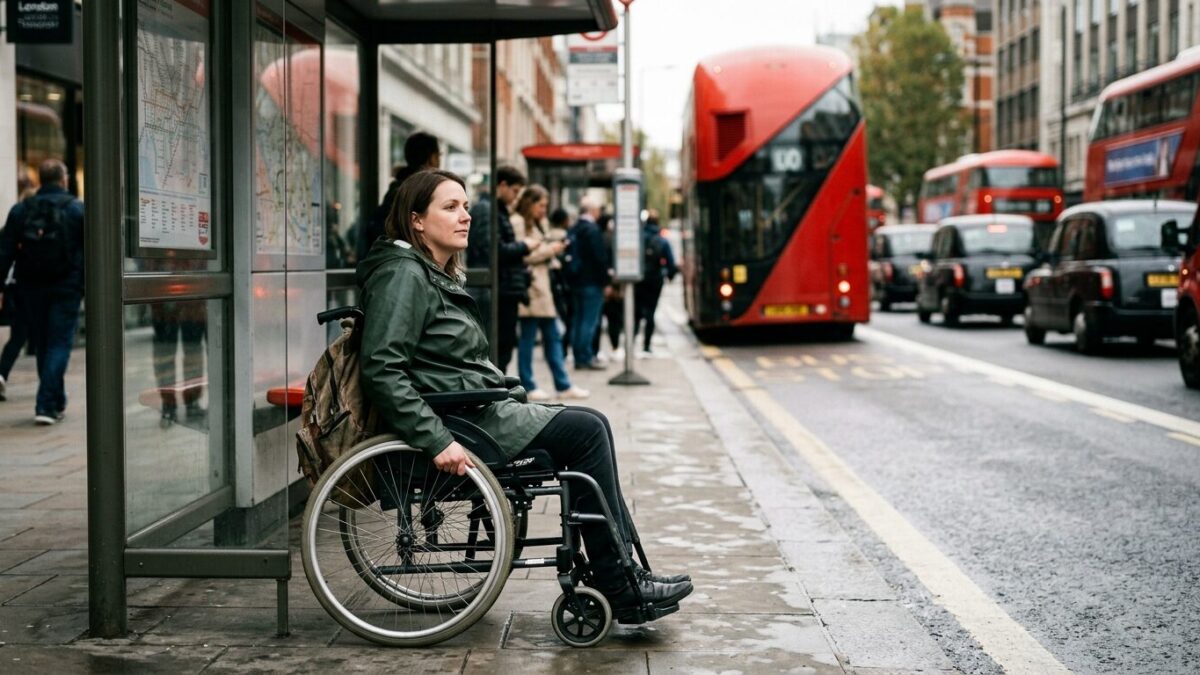
British voters are pushing back against tighter welfare for disabled people, with a new survey finding overwhelming opposition to cutting support for those who cannot work. The polling suggests only 7% of respondents favour lower government spending in that area.
Strong resistance to cuts
The finding lands at a sensitive moment for ministers weighing how far to trim public spending. Welfare for disabled people has become a clear fault line in the debate, and the survey suggests the political room for manoeuvre is narrow. Very narrow.
Support for protection is not just a passing mood. The numbers point to a public that is far more comfortable defending support for people who cannot work than accepting a reduction in that spending. That matters because welfare policy often turns on whether voters see cuts as restraint or as pressure on vulnerable people.
Why the result matters
For governments, disability benefits are among the most politically difficult areas to squeeze. Even when budget pressure rises, voters tend to draw a harder line around support tied to disability and inability to work. This survey suggests Britain is no exception.
The 7% who favour lower spending represent a small minority. The broader message is clearer than any single policy detail: voters do not appear ready to back deep cuts aimed at disabled people who cannot earn a living. That leaves policymakers facing a tough choice between fiscal targets and public resistance.
Pressure on ministers
The political stakes extend beyond one welfare line item. Any move to pare back support for disabled people risks being read as an attack on people with the least ability to absorb it. That can harden opposition fast.
For now, the survey offers a blunt snapshot of public sentiment. Britain’s voters are not asking for less help for disabled people. They are saying the opposite, and they are saying it loudly enough for ministers to hear.