Chopper Read’s bad-boy myth looks different in the era of backlash
Australia’s old criminal folk hero, Chopper Read, is being reconsidered through a harsher lens. In 2026, the question is not whether his moustache and menace
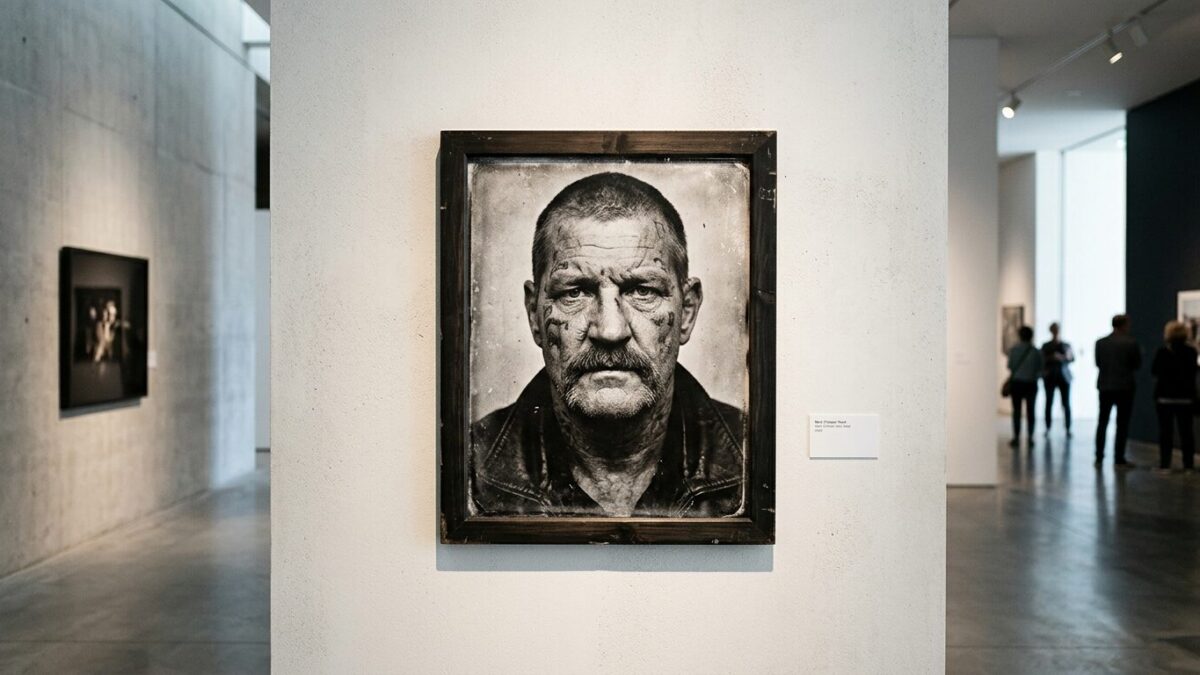
Australia’s old criminal folk hero, Chopper Read, is being reconsidered through a harsher lens. In 2026, the question is not whether his moustache and menace made him famous, but why that kind of swagger still sells.
The answer feels uncomfortably current. The backlash against gender equality is no longer a fringe mood; it is out in the open, from influencer culture to politics to schoolrooms. And the old language of macho power is back in circulation.
A new mood after #MeToo
In the years after #MeToo, women’s accounts of sexual violence forced a global reckoning. There was public debate, political debate and, in many places, promises of change. But the pendulum has swung hard in the other direction.
Regressive gender norms are enjoying a revival. The face of that revival, for many observers, is not a politician or a columnist but the Tate brothers, Andrew and Tristan, whose self-styled empire rests on physical dominance, wealth, emotional shutdown and open misogyny.
That is why revisiting Chopper Read now lands differently. His outlaw persona once played as theatre. Today, it reads as part of a wider culture that keeps recycling contempt for women as performance.
The Tate brothers and the politics of swagger
Andrew and Tristan Tate were arrested in Miami in July on British charges of rape, trafficking for sexual exploitation and offences related to indecent images of a child. Their public image — cigar-smoking, private-jet flaunting, aggressively anti-women — has become a shorthand for this backlash.
Andrew Tate has also pushed a worldview in which women are meant to serve men domestically or sexually. That message does not sit in isolation. It echoes across platforms, into some corners of youth culture, and into broader public arguments about gender roles.
So the old glamour of the hard man is not just nostalgia. It is infrastructure. It gives modern misogyny a costume, a soundtrack and an audience.
From parliament to the classroom
The mood is not confined to social media personalities. Pauline Hanson called domestic violence a “two-way street” and described family violence leave as “holiday leave”. An education report has also found female school teachers facing intimidation and sexual harassment from male students, in a culture some described as “toxic masculinity”.
Those episodes matter because they show how far the backlash reaches. It is not only about celebrity provocation or online grift. It bleeds into workplaces, schools and mainstream politics.
That makes the reconsideration of figures like Read more than a pop-culture exercise. It becomes a test of what societies are willing to excuse when bravado looks entertaining, profitable or familiar. The next question is whether the appetite for that kind of performance keeps growing — or finally runs into a wall.