England’s 15-year-olds climb into global top 10 as OECD warns digital distractions are hurting students
?s teenagers are now outperforming peers in most countries in maths, reading and science — a rare bright spot in a global education picture that
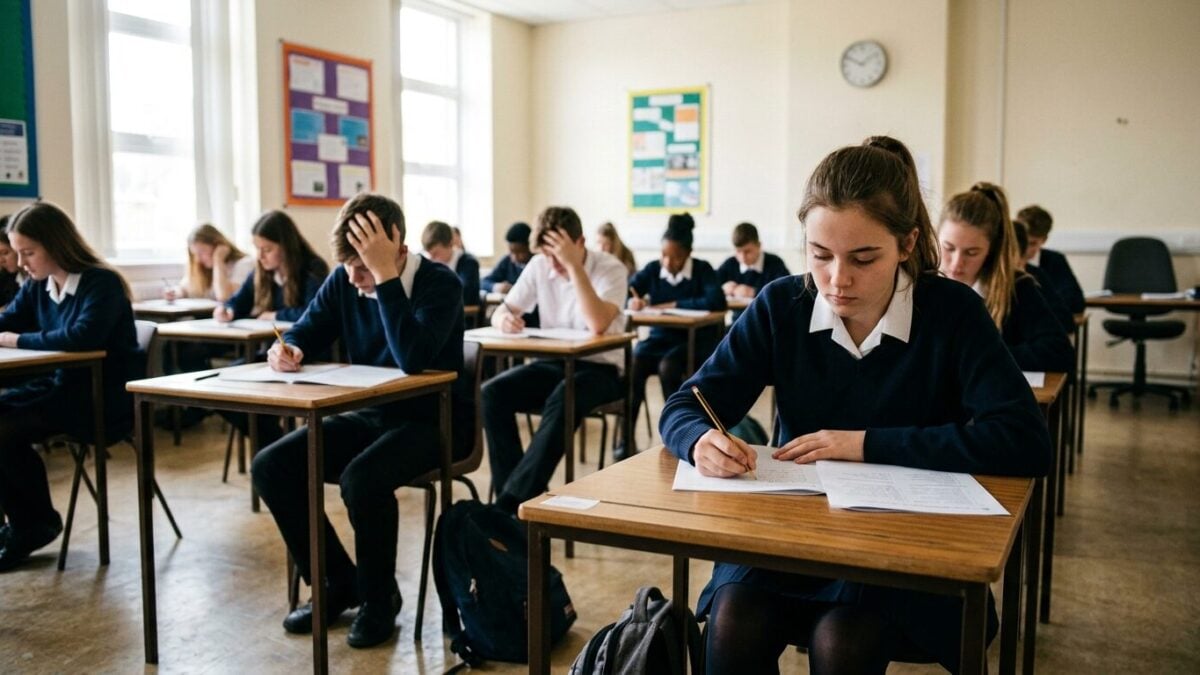
England’s teenagers are now outperforming peers in most countries in maths, reading and science — a rare bright spot in a global education picture that the OECD says is slipping. The gain pushed the UK into the top 10 of international rankings, even as scores fell across almost all member nations.
The warning comes from the OECD’s Programme for International Student Assessment, or Pisa, which tested 760,000 15-year-olds in 91 countries and regions last year. England held its ground while many systems lost momentum. Scotland, Wales and Northern Ireland posted results slightly below earlier years.
England’s strongest showing in reading
England’s biggest rise came in science, but reading stood out. On that measure, England moved ahead of Australia, the United States, Finland and France. Only Singapore, Taiwan and the combined Beijing, Shanghai, Jiangsu and Zhejiang regions in China did better.
That matters beyond league tables. Reading skills shape how teenagers handle everything from classroom assignments to science problems and digital tasks later on. A system that can still hold up in that area, while many others slide, has something working in its favor.
OECD flags screens and distractions
The OECD linked the broad dip in performance to “digital distractions” that are eroding academic skills around the world. The assessment’s message was blunt: device-heavy routines are not just changing how students study, they are eating into core competencies that schools have spent years trying to build.
The pattern is not limited to one country. Results fell in almost all OECD members compared with earlier rounds, with England and only a handful of others avoiding the wider decline. That leaves education systems from Europe to Asia facing the same question: how to keep students focused enough to learn deeply, not just click quickly.
For England, the latest results offer a lift at a time when many peers are moving the other way. For the rest of the UK, the picture is less upbeat. And for schools elsewhere, the OECD’s warning lands with a familiar sting: the classroom battle is no longer only about textbooks and tests, but about attention itself.