Jackson leans on labor roots as Collins courts a different coalition in Maine Senate race
Troy Jackson is betting that the unions that shaped his life can carry him to the U.S. Senate. Susan Collins is taking a far different
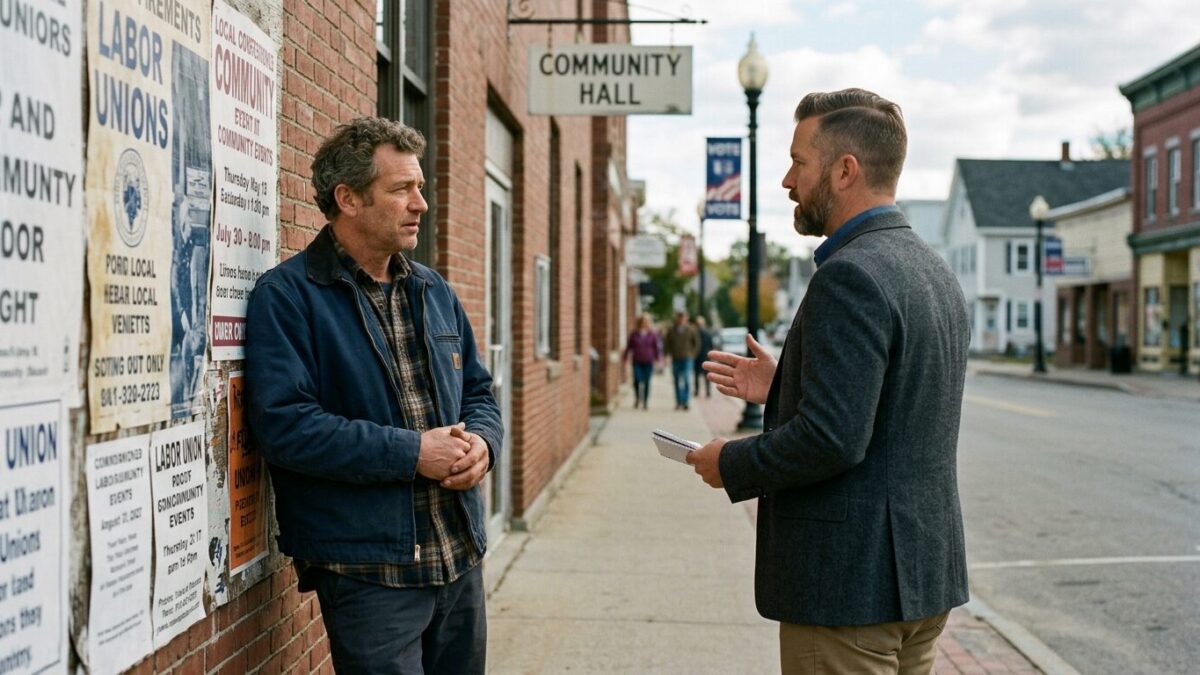
Troy Jackson is betting that the unions that shaped his life can carry him to the U.S. Senate. Susan Collins is taking a far different route, using campaign ads and a longtime image of independence as the Maine race tightens ahead of November’s vote.
The contrast was on display over a recent campaign weekend in Skowhegan, where Jackson, the Democratic nominee, showed up at a cookout inside the union hall of United Steelworkers Local 9 and moved easily among workers in shirts and hats from their locals. He swapped jokes, handed out hamburgers and did not need to be introduced. For Jackson, organized labor is not a talking point. It is family history, work history and political origin story.
A candidate built by labor
Jackson told the Globe his understanding of working-class politics started as a pre-teen in Allagash, in Maine’s remote north woods, when he watched his father, a logger, take part in a strike. The experience stuck.
He later went into logging himself and says he saw firsthand what he viewed as unfair efforts by large conglomerates to replace Maine workers with cheaper Canadian labor. That anger pushed him into politics. Along the way, he joined five unions and remains a dues-paying member of three.
Jackson’s campaign is now trying to turn that biography into a statewide argument. It comes as new polling suggests the race is very close. A CNN poll conducted by SSRS from Aug. 31 to Sept. 6 found Jackson ahead of Collins 48% to 45%, within the 3.7 percentage point margin of error. A separate summary of the same survey said 18% of voters were still undecided or open to switching.
Collins leans on contrast and affordability
Collins, the Republican incumbent, has answered with a message built around the cost of living. Her campaign launched its first attack ads last week, targeting Jackson on affordability and property taxes.
That line of attack lands in a state where voters have repeatedly named the economy and cost of living as top concerns. The issue is also sharpened by the Trump administration’s continuing trade war with Canada, which has strained Maine households, according to the Portland Press Herald. Jackson and allied groups have also attacked Collins on affordability, making pocketbook pressure a central theme on both sides.
The CNN poll also showed a sharp difference in motivation. Among those backing Jackson, 71% said their vote was against Collins, while only 29% said it was for Jackson. Collins drew more positive support: 74% of her supporters said they were voting for her, while 25% said they were voting against Jackson. The survey also found 46% of respondents saw their vote as a message opposing President Donald Trump, compared with 17% who said it backed him.
A race with national weight
Maine has become one of the Democrats’ clearest pickup opportunities as they look for a net gain of four seats to retake the Senate majority. Collins has survived difficult cycles before, helped by her personal popularity and bipartisan reputation. This one looks different.
Since becoming the Democratic nominee in late July, Jackson has now been buoyed by a string of independent polls showing him narrowly ahead. The latest survey adds to the sense that the fall campaign may hinge less on broad labels than on whether Collins can hold enough of her old coalition while Jackson turns labor loyalty into turnout.
Back in Skowhegan, Jackson seemed right at home. “That really was the beginning for me of understanding more about working class issues and how we get left behind,” he said of watching his father strike years ago.