Oregon education board urged to explain contempt threat after tense power struggle
A court is pressing Oregon’s state education chief to explain why he should not be jailed for contempt, a stark escalation in a dispute that
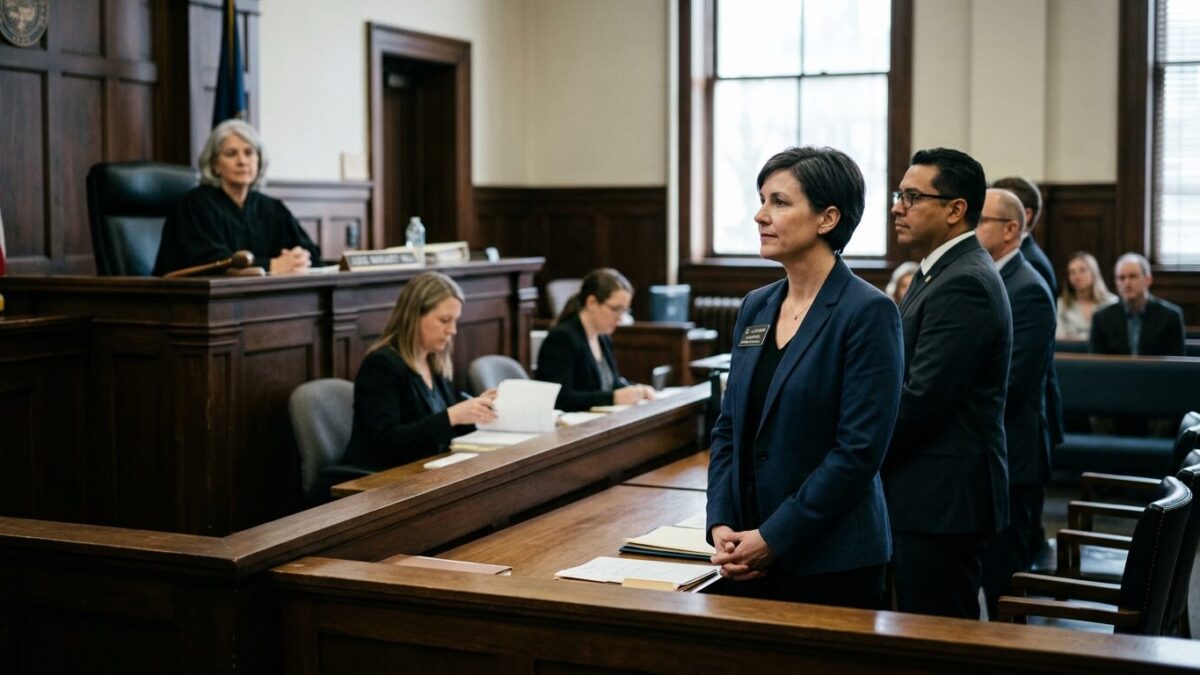
A court is pressing Oregon’s state education chief to explain why he should not be jailed for contempt, a stark escalation in a dispute that has already exposed friction over who really runs school policy in the state.
The move comes after a tense year for Oregon’s Board of Education, including the departure earlier this year of two members, Becky Tymchuk and Shimiko Montgomery, following a bitter debate over Governor Tina Kotek’s executive order aimed at limiting school districts’ ability to cut instructional time.
A board with blurry lines of authority
The controversy has sharpened an old question: what is the state board for, exactly? Some former members say they have had little room to weigh in on policy, while some local school leaders want the board to act with more force.
That tension matters beyond Oregon. Across the United States, state education boards often sit in a narrow space between governors, lawmakers and local districts, with their authority shifting depending on political fights and the reach of executive orders. In Oregon, the latest dispute has laid those fault lines bare.
Kotek’s order, issued earlier this year, made it harder for districts to reduce instructional time. Supporters see that as a guardrail for students. Critics, including some tied to the board debate, see a governor reaching into school operations and forcing the board to define its own power.
Departures that changed the tone
Tymchuk and Montgomery left the board earlier this year after the argument over the order intensified. Their exits have not just thinned the board; they have pushed the broader debate into the open.
Former board members have said they feel boxed in, unable to give meaningful feedback on policy. Local school leaders, by contrast, want the board to take a stronger role. That split is now part of the wider story around the contempt warning, which adds a legal edge to an already political fight.
The court’s demand for an explanation raises the stakes again. What had been an argument about governance and authority now carries the threat of jail, a reminder that education disputes can quickly move from boardroom tensions to courtroom pressure.
What happens next
For Oregon schools, the timing is awkward. Districts are already navigating the executive order and the uncertainty around how much room the state board has to push back, shape policy or simply advise from the sidelines.
The court has now asked for an answer. And the question hanging over Oregon’s education leadership is blunt: why shouldn’t the state’s education head be jailed for contempt?