Why the Minneapolis shooting suspect could still legally have a gun despite repeated warnings
Police said the man suspected of fatally shooting two people and injuring several others this week had already drawn repeated warnings from law e...
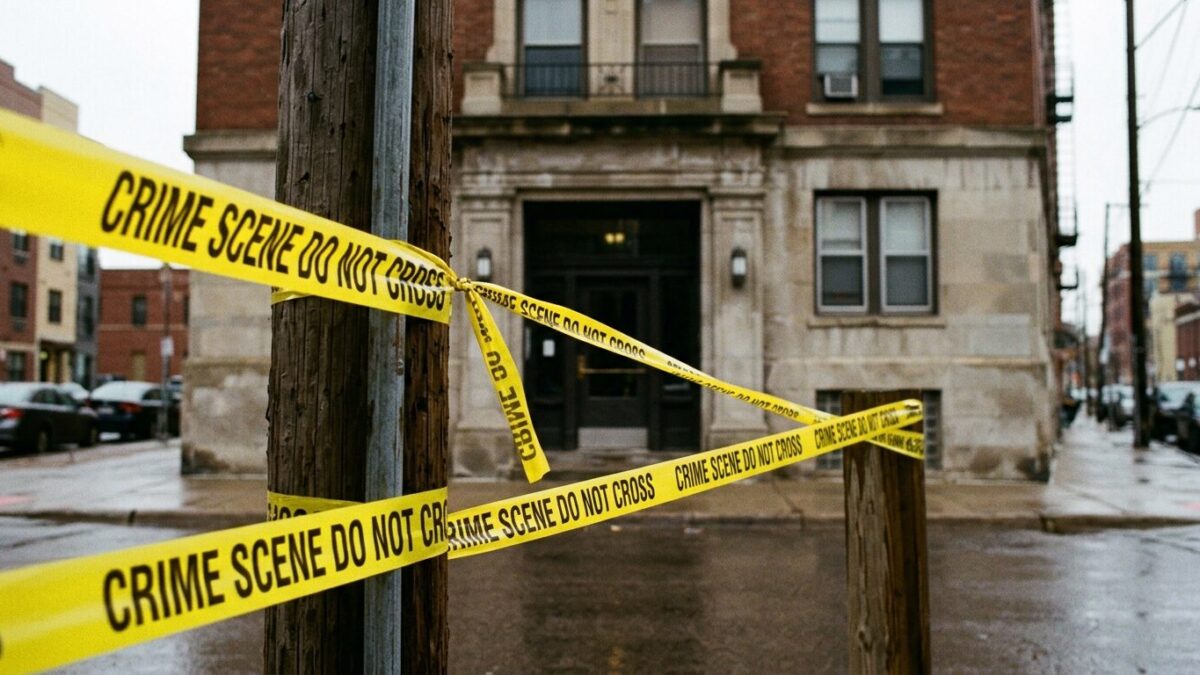
Minneapolis police said the man suspected of fatally shooting two people and injuring several others this week had already drawn repeated warnings from law enforcement. Yet he was still able to carry a gun.
The answer sits in the gaps between court orders, criminal records and what officers knew about 35-year-old Carlton Neal Johnson II before the attack at a downtown apartment building. Investigators say Johnson had faced domestic-related cases, allegations that he threatened to kill a woman and her child, and a court order years earlier that temporarily barred him from possessing firearms.
A history that did not stop the gun
Police said Johnson opened fire in Minneapolis on Wednesday afternoon, killing two people and wounding at least five others before dying in an exchange of gunfire with officers, according to authorities. Three Minneapolis police officers were also hurt. Two were shot. All three were reported in stable condition.
Interim Police Chief Bill Peterson said officers were familiar with the suspect. That familiarity did not translate into a permanent bar from gun ownership. A temporary court order can restrict possession for a period of time, but the records described so far point to a system that had not fully blocked access by the time of the shooting.
That is the hard question now hanging over the case. Johnson had been the subject of domestic-related matters and other allegations, yet police say he still managed to arm himself before walking into the apartment building and opening fire.
What happened in the building
The shooting began after a 911 call came in just after 4:30 p.m. Officers entered the high-rise within minutes and found victims inside. As they moved deeper into the building, they heard more gunshots and followed them to an upper floor, where visibility was reportedly cut by a haze.
Authorities say one victim died at the scene and another died after reaching the hospital. Johnson also died, though police initially said it was unclear exactly how. The Minnesota Bureau of Criminal Apprehension said it would specifically examine officers’ use of force.
Witnessed by frightened residents and met by armed police, the episode unfolded fast. It was, in the words of Peterson, “the cowardly acts of a violent shooter.”
Broader stakes for gun control
The case lands in a familiar place for U.S. gun-policy debates: someone known to police, tied to domestic accusations and facing court action, still had a firearm. That pattern has echoed far beyond Minnesota, where domestic-violence restrictions often depend on the scope of a court order, the timing of enforcement and whether a broader firearms ban is in place.
Court records cited in local reporting say Johnson was facing eviction after a string of incidents that included assault and allegedly showing a gun to apartment management. Those details now sit alongside the criminal inquiry into the shooting itself.
For now, investigators are trying to piece together how a man with that history ended up armed in a crowded building. The final answer may turn on a single, brutal fact: two people were killed, and three police officers were among those injured.