Australia’s Labor takes aim at the internet’s gates, and the backlash test begins
Anthony Albanese and Anika Wells stood in the cool Canberra air this week and signalled a fresh confrontation with Silicon Valley. Their message was blunt:
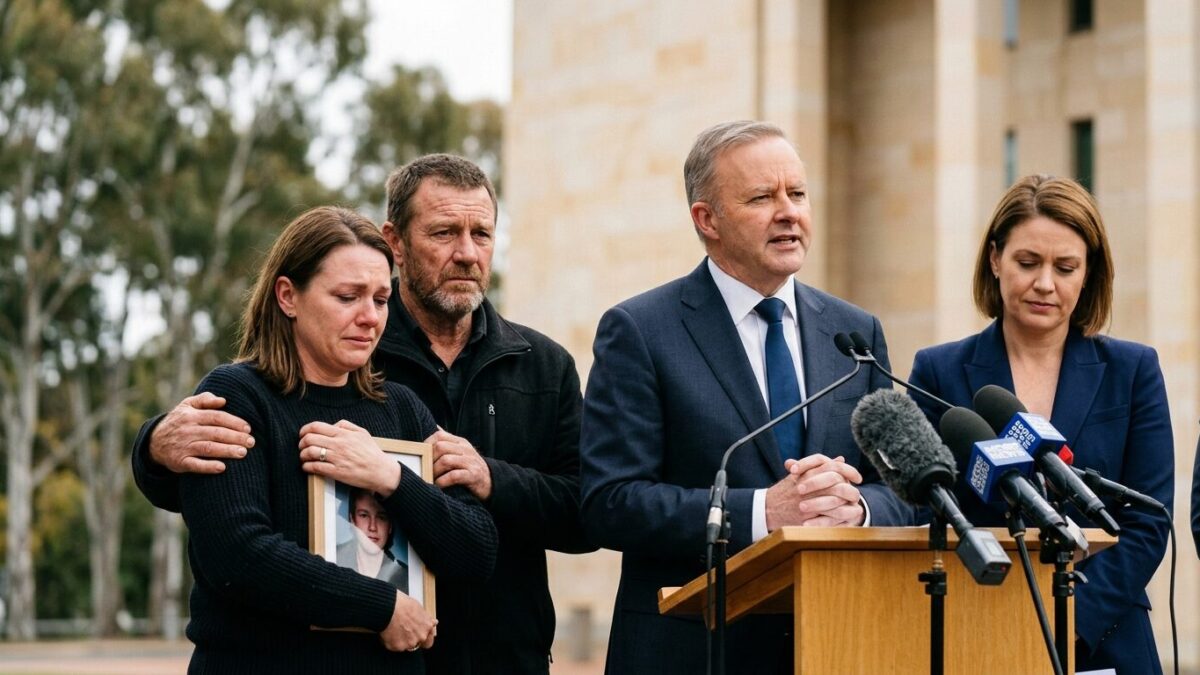
Anthony Albanese and Anika Wells stood in the cool Canberra air this week and signalled a fresh confrontation with Silicon Valley. Their message was blunt: Australia should have more say over what people see online, and Labor is ready to force the issue.
The prime minister and his communications minister framed the push as a response to online harm, appearing alongside grieving parents of teenagers who died by suicide after exposure to harmful content. Wells said a “global reckoning” for big tech was coming, and that it had begun in Australia. Albanese rejected the charge that the plan was about censorship. “It’s about giving people control themselves over what they see,” he said.
A bigger test after the under-16 ban
The move is Labor’s latest bid to redraw the rules of the internet at home. It follows the social media ban for people under 16 that parliament passed in November 2024, a law that set off copycat efforts abroad. Now the government is pushing further, with a plan described as the most ambitious attempt yet to rewrite the domestic rulebook for online platforms long shaped in California.
That ambition also raises the stakes. The political case is clear enough: Labor wants to position itself as the party willing to confront large tech firms over what Australians, and especially young people, encounter online. The practical and legal fight, though, will be harder. Any broader controls on what users see will almost certainly be attacked by critics as a step toward restriction, even if ministers insist the aim is user control.
Why the fight matters beyond Australia
Australia has already proved it can move the global conversation. The under-16 ban was followed by similar laws elsewhere, giving Canberra unusual influence in the online safety debate. This new push arrives as governments, lawmakers and tech workers in other countries are also wrestling with the reach of artificial intelligence and platform power, from Washington to Paris and beyond.
That wider context matters because the question is no longer whether governments will try to rein in digital platforms. It is how far they can go before they trigger a pushback from users, companies and free-speech advocates.
For Labor, the answer will come in the coming fight over whether Australians want more guardrails online or fewer limits on what they can access. Wells has already drawn the line in the sand. Silicon Valley has been warned.