Mamdani Stays on 9/11 Victims as Islamophobia Fight Breaks Out Over New York Times Coverage
Zohran Mamdani is trying to keep the focus on the dead, even as the politics around him pull hard in another direction. On the 25th. Mamdani Stays — full…
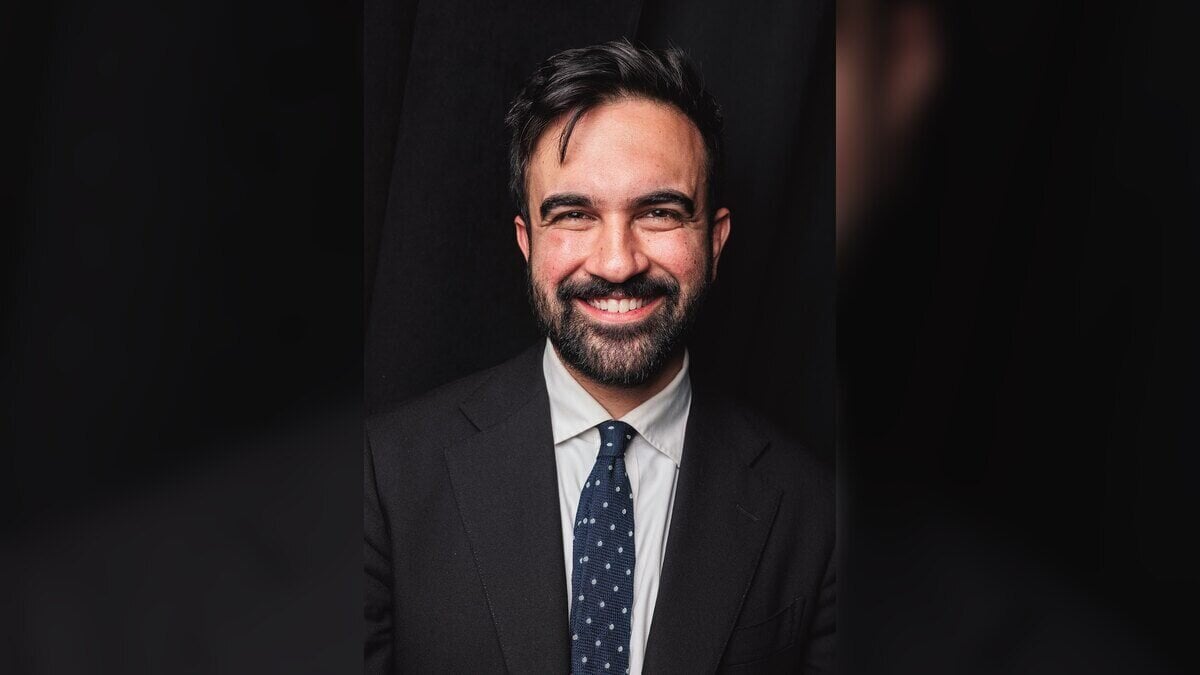
Zohran Mamdani is trying to keep the focus on the dead, even as the politics around him pull hard in another direction. On the 25th anniversary of the Sept. 11 attacks, the New York state lawmaker drew attention for a Ground Zero headline that read, “Facing Islamophobia, Mamdani Keeps Focus on 9/11 Victims.”
The framing set off an immediate clash online. Conservative commentator Ben Shapiro blasted The New York Times after its homepage featured multiple stories that referenced Islamophobia, arguing the paper’s coverage would lead a reader to think “9/11 was an attack on Muslims.” The Times pushed back, calling that claim misleading and accusing him of trying to stir outrage by distorting its journalism about the anniversary and the memorials.
Ground Zero, memory and backlash
The fight over headlines landed on a day already heavy with emotion in lower Manhattan, where mourners gathered to honor the 2,977 victims killed in the attacks. The anniversary coverage also came as the city faced fresh signs of anger around the memorial itself: reports said the 9/11 tribute had been defaced overnight with pro-Palestinian messages, adding another layer of strain to an already raw commemoration.
Mamdani’s appearance at Ground Zero drew criticism from some 9/11 mourners, with one saying he “should have skipped it.” The backlash reflected a familiar fault line in New York politics, where the memory of the attacks still shapes debates over identity, security and who gets to speak for the city’s grief. Mamdani’s stance, at least in the headline that set off the dispute, was to keep the victims front and center.
Why the argument resonated far beyond New York
The row over The Times matters because anniversary coverage of 9/11 still carries global weight. For readers outside the United States, the attacks remain a defining moment in modern history, one that reshaped airport security, intelligence sharing and public suspicion of Muslim communities well beyond New York.
That tension was visible again this week in the competing reactions to the paper’s homepage. Some saw an effort to widen the lens around the anniversary and the Islamophobia many Muslims faced after the attacks. Others saw a dangerous rewriting of who was attacked. The dispute showed how, 25 years on, the language around 9/11 can still ignite a political firestorm in seconds. The memorial at Ground Zero still lists 2,977 dead. That number is not going anywhere.