Trump DOJ seeks to revoke US citizenship in 40 cases
The Justice Department has filed 40 petitions to strip naturalized Americans of citizenship, calling the cases its largest denaturalization effort in a short…
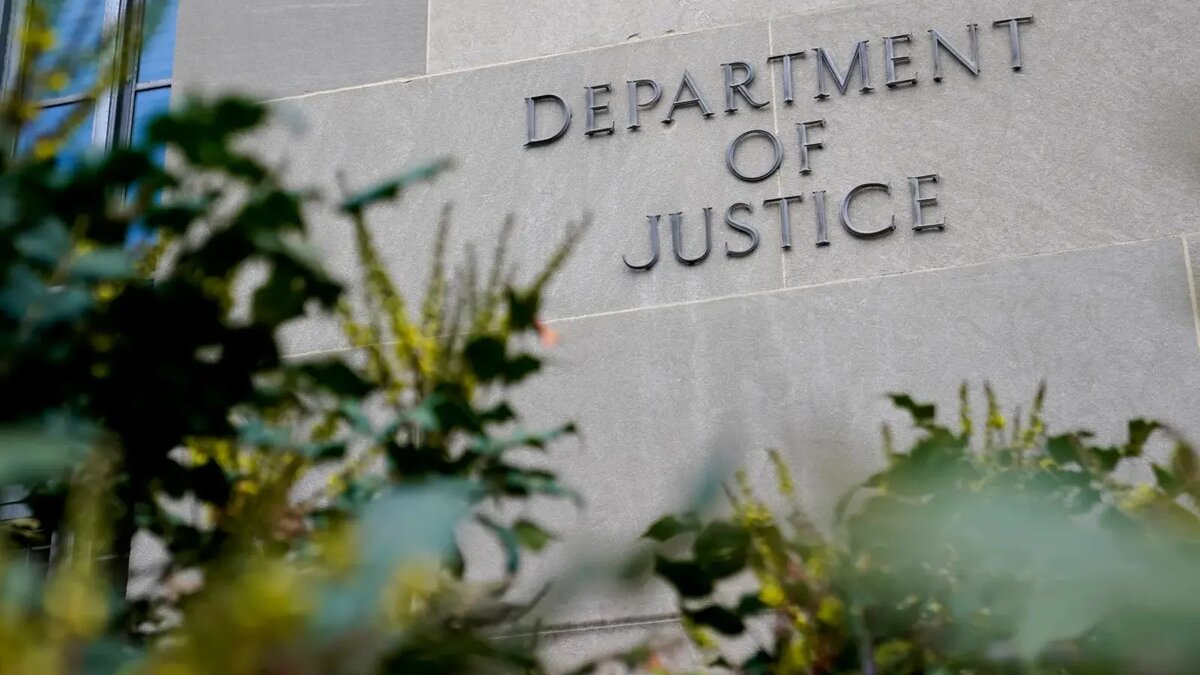
The Justice Department says it has filed 40 cases to revoke US citizenship from naturalized Americans accused of serious crimes, marking its largest denaturalization effort in a short period under President Donald Trump. The petitions, filed from late August through early October, target people accused of offenses including money laundering, child sexual abuse, visa fraud and tax evasion.
The announcement puts denaturalization back at the center of the administration’s immigration enforcement push. But the cases are allegations, and prosecutors must ask a court to strip citizenship; the announcement does not mean the people named have already lost it.
“Today’s announcement marks the largest denaturalization effort in modern history,” Attorney General Todd Blanche said. He said the department would continue using the process to protect national security and the American public.
The 40 people named come from countries including Mexico, Pakistan, China and Sierra Leone, according to the Justice Department statement reported by Al Jazeera. Prosecutors allege they concealed criminal conduct or other facts while applying for citizenship. The department says many convictions came after the individuals took their citizenship oaths.
Two people are also accused of spying on behalf of China. Prosecutors argue the alleged conduct occurred before they became citizens and showed they lacked the “good moral character” required for naturalization.
What the law requires
US law allows prosecutors to ask courts to revoke citizenship from people born outside the country if they wilfully concealed a material fact in their citizenship application and that information would have disqualified them. The court process matters: filing a petition is not the same as a judge granting it.
Denaturalization has been used for decades, though historically for serious offenses. After World War II, the US government pursued cases against people accused of concealing involvement in the Holocaust or committing war crimes. The practice became much less frequent after the Cold War, Al Jazeera reported.
The new filings add to a broader effort by Trump administration officials to increase denaturalization as part of an immigration crackdown. The scale and legal basis of each case will determine whether prosecutors can persuade courts to revoke citizenship.
That distinction has direct consequences for naturalized Americans. A citizenship revocation can threaten a person’s legal status and security in the country, while a court challenge gives those targeted an opportunity to contest the government’s claims. Human rights groups have warned that broader use of denaturalization could leave people stateless.
Critics have also raised concerns about the administration’s rhetoric and its references to particular communities. Last year, officials said they were considering denaturalizing Somali Americans following allegations of daycare fraud in Minnesota. President Trump wrote, “Send them back from where they came, Somalia, perhaps the worst, and most corrupt, country on earth.”
Republican Representative Andy Ogles has floated revoking the citizenship of New York City Mayor Zohran Mamdani, who was born in Uganda, according to Al Jazeera. Trump has also suggested Mamdani may be in the country illegally, a claim the source describes as false. In 2025, Trump raised the possibility of withdrawing citizenship from technology entrepreneur Elon Musk after the two fell out.
The cases will now turn on evidence and court decisions, not the administration’s announcement alone. The DOJ says it filed 40 petitions between late August and early October.
Source: aljazeera.com