JBL’s ‘Made to Be Heard’ Campaign Debuts in Asia-Pacific
JBL’s Made to Be Heard identity debuts in Asia-Pacific, shifting its message toward creators and communities as the audio brand marks 80 years.
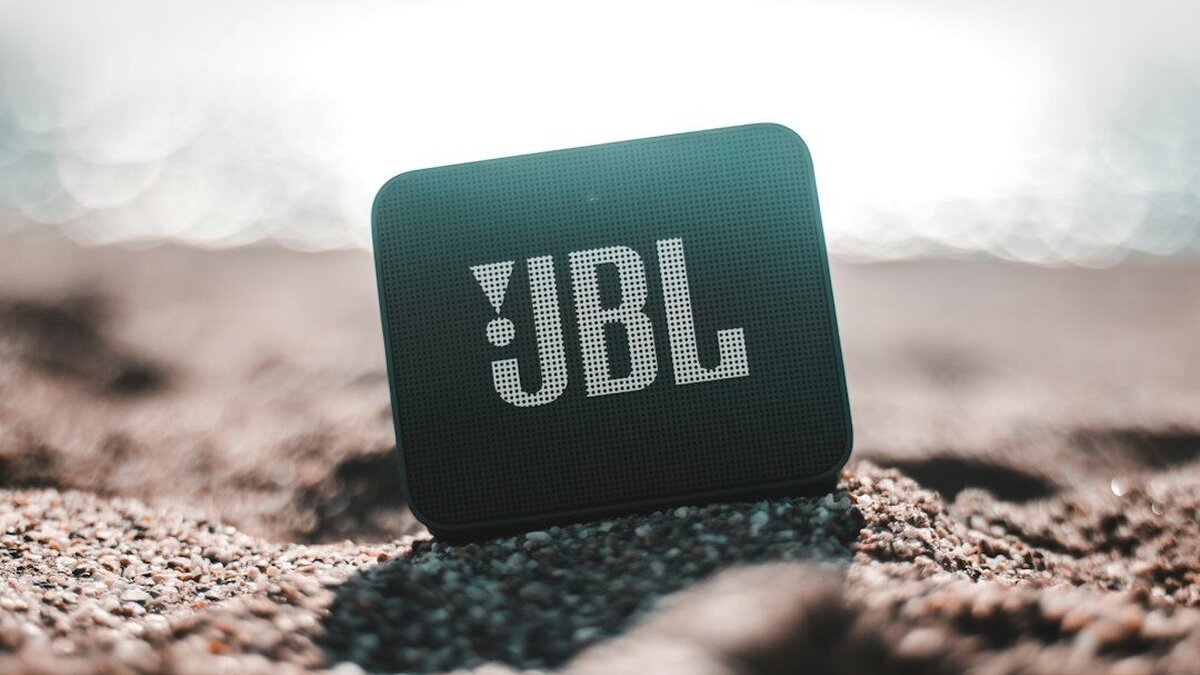
JBL is using its 80th anniversary to put creators and music communities at the center of its brand message, launching the “Made to Be Heard” identity across Asia-Pacific. The shift matters beyond a new slogan: it frames audio as a form of expression and participation, not simply sound coming from a speaker.
The campaign replaces “Dare to Listen,” which ran from 2017 to 2024 and encouraged consumers to go beyond familiar listening habits and challenge expectations. JBL has not detailed specific events or programs tied to the Asia-Pacific launch, leaving its local rollout unclear.
From listening to expression
“Made to Be Heard” broadens the focus of the earlier campaign. Where “Dare to Listen” centered on hearing something outside the usual, the new identity emphasizes giving expression room and attention. JBL says it supports creators and communities that shape the audio experience.
That positioning reflects a wider effort to connect the brand with the culture and activities built around music, rather than defining its role only through devices that play it. For consumers, the distinction is about how the company presents its products: as part of making and sharing sound, as well as listening to it.
The anniversary also draws on JBL’s history in high-end home audio, even as many consumers know the company through its Bluetooth speakers. The celebration includes the Summit Everest and Summit K2 speakers, part of the fifth generation of Project Everest, a product line developed over more than 40 years.
Products turn listening into participation
A similar idea appears in JBL’s EasySing microphone, introduced in South Korea. The device uses on-device artificial intelligence to remove vocals from a song in real time, allowing users to turn music playing from a phone into a karaoke experience without a dedicated app or a separate backing track, according to the product launch report.
That makes audio an activity, not just something to hear. EasySing is aimed at creators and the short-form content market on YouTube and TikTok, while the Asia-Pacific campaign carries the broader brand message: sound, expression and community belong together.
JBL has yet to specify how the identity will take shape in individual markets. Its stated shift is clear: from encouraging people to listen boldly to supporting those who want their voices heard.
Source: Duniaku