Singapore PSI Reaches 160 as Haze Keeps All Regions Unhealthy
Singapore’s air quality remained unhealthy across all five regions on Thursday, with the 24-hour PSI reaching 160 in the west. The National Environment Agency…
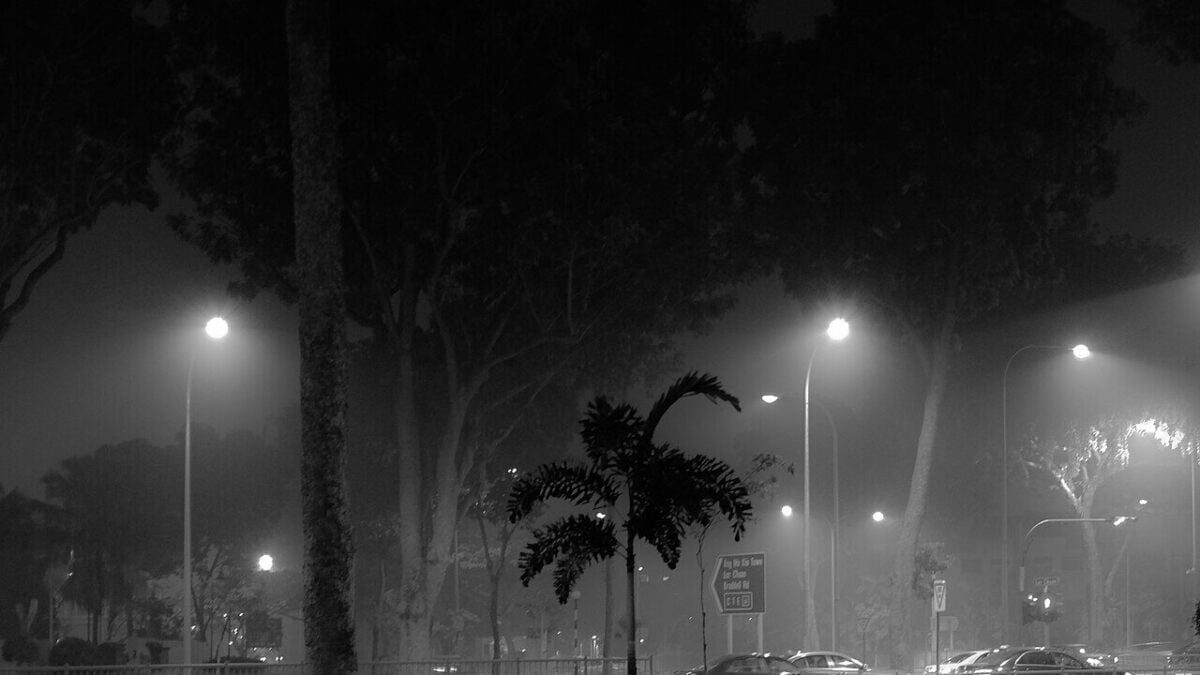
Smoke haze crossing parts of Southeast Asia kept Singapore’s air quality in unhealthy territory on Thursday. The singapore air quality psi reading peaked at 160 in the west at 10am, while all five regions remained in the unhealthy range.
At 1pm, the 24-hour Pollutant Standards Index (PSI) stood at 154 in the west, 140 in the central region, 118 in the east, 108 in the south and 109 in the north, according to Channel NewsAsia. The readings matter for residents planning outdoor activities because Singapore uses the 24-hour PSI as the basis for its daily health advisories.
The National Environment Agency (NEA) said moderate transboundary smoke haze covered parts of Singapore, Peninsular Malaysia, Kalimantan, Sarawak and southern and central Sumatra. Smoke was visible across a broad area. The agency said thick haze and cloud cover made it difficult to determine the full extent of the situation.
Hourly PM2.5 readings also rose
At 1pm, hourly PM2.5 readings in the east and south entered the elevated band, joining the central and western regions. On Wednesday, the reading in the west reached 152 at 4pm, entering the high band for the first time this haze season. It fell back into the elevated band an hour later.
The distinction affects how people interpret the figures. The 24-hour PSI reflects average air quality over the past 24 hours, while the hourly PM2.5 reading tracks the average level of fine particles over an hour. PM2.5 refers to particles with a diameter of 2.5 micrometres or shorter, which the report identifies as the dominant pollutant during haze.
A PSI reading from 101 to 200 is classified as unhealthy. The next band, from 201 to 300, is very unhealthy; readings above 300 are hazardous. For hourly PM2.5, readings from 56 to 150 are elevated, while 151 to 250 are classified as high.
That difference gives residents two kinds of guidance: a daily measure for planning and a shorter-term signal for immediate outdoor activity. When hourly PM2.5 levels are elevated, NEA advises healthy people to reduce strenuous outdoor activity for the next hour. Elderly people, pregnant women, children and people with chronic heart or lung conditions should avoid strenuous outdoor activity during that period.
NEA warns haze risk may persist
NEA reported moderate to dense smoke plumes near hotspot clusters in large parts of Kalimantan and central and southern Sumatra. It detected scattered hotspots in Kalimantan and Sumatra, with only a few elsewhere in southern ASEAN. The agency cautioned that smoke and cloud cover limited its view of the full situation.
Dry conditions were expected to continue over most of southern ASEAN. Showers were forecast for Borneo’s northern areas and parts of Sumatra and Peninsular Malaysia, while wet weather was expected to persist over northern ASEAN.
NEA said showers may improve hotspot and haze conditions where they occur, but prolonged dry weather could keep them elevated and sustain the risk of haze crossing borders. For outdoor plans over the next 24 hours, the agency advised the public to consult the PSI forecast and health advisories.
Singapore’s 24-hour PSI is calculated from six pollutants: PM2.5, PM10, ozone, sulphur dioxide, nitrogen dioxide and carbon monoxide. The west’s highest reading on Thursday morning was 160.
Source: channelnewsasia.com