WHO Seeks Details on Death at Siberian Plague Research Centre
The death of a technician at a Siberian plague research centre has prompted international questions, despite Russian assurances that tests found no dangerous…
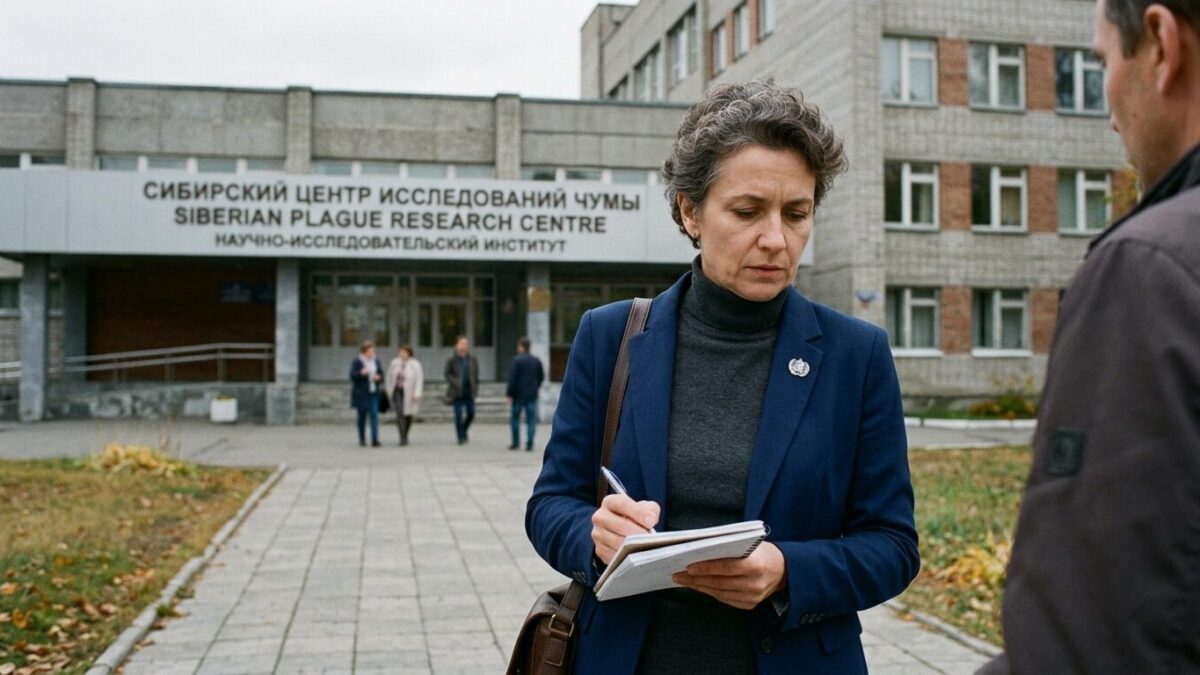
For health officials outside Russia, the unanswered question is whether a death at a Siberian plague research centre signals a wider risk. The Russian plague outbreak bubonic plague concerns have drawn a request for more information from the World Health Organization, while Moscow says the laboratory worker died of pneumonia of unknown origin.
The technician worked at the Irkutsk Research Anti-Plague Institute of Siberia. Russian authorities said plague was not detected in tests of the woman or her close contacts, but media reports of a possible second illness prompted the WHO to seek further details.
Kremlin spokesman Dmitry Peskov urged people not to “listen to various rumours” and said they should rely on information from Russia’s public health watchdog, Rospotrebnadzor. The agency has said the official cause of death was pneumonia of unknown origin.
Russian plague outbreak bubonic plague questions remain
The WHO said it was following the situation after the death of a laboratory worker in Russia’s Siberia region. Spokesperson Christian Lindmeier said authorities were investigating whether pneumonic plague caused her death. No cause had been officially confirmed, and laboratory testing was reportedly underway, he said.
Russia told the WHO that tests had not detected pathogens linked to dangerous infectious diseases among the woman’s contacts. The organization said all contacts had reportedly been identified and were being monitored, with none showing symptoms at the time of its update.
The WHO’s initial assessment put the risk at moderate to low for Irkutsk, low for Russia as a whole and very low for the WHO European region. The organization said it would update that assessment as more information became available.
Reports about the response have added to the questions. TIME reported that Russian authorities had reportedly quarantined as many as 200 people and that local hospitals had been closed. The outlet said the WHO asked Russia for information after media reports of a second case of pneumonia with an unknown cause.
That scale of response has drawn scrutiny from public-health experts. Jennifer Nuzzo, director of the Pandemic Center at the Brown University School of Public Health, said reports of extensive observation and hospital closures did not fit neatly with the explanation of an isolated laboratory exposure. She also said she wanted to know what tests had been conducted and what results came back negative.
There are reasons the distinction matters. The WHO says pneumonic plague affects the lungs and can spread between people through respiratory particles. It can be fatal within 18 to 24 hours of symptoms if untreated, while common antibiotics can effectively treat it when delivered early, according to the organization.
Authorities face pressure to clarify the tests
Russian officials have disputed reports that the worker broke a test tube containing plague bacteria. The reports remain unverified, and authorities have said plague was not found in her tests or those of close contacts.
The United States has formally requested information from Russia, CNN reported. US President Donald Trump said he expected to speak with Russian President Vladimir Putin about the issue. The Kremlin said no call had been arranged, though one could be arranged if requested.
Peskov also told BBC Russia editor Steve Rosenberg that people should follow official public-health information. The Kremlin spokesman said Moscow had informed the WHO of the researcher’s death in line with established practice, CNN reported, but did not clarify reports of a second case linked to the episode.
The incident has affected local hospital procedures, according to CNN. Ulyana Gavryunina, a blogger from the Irkutsk region, told the news outlet that quarantine restrictions forced her to change maternity hospitals late in her pregnancy. At the facility she visited, staff checked her temperature, asked her to wear a mask and complete questionnaires, one of which referred to suspected plague.
WHO spokesperson Christian Lindmeier said the agency was ready to support Russia if asked. The organization’s assessment remains subject to change as it receives more information.
Source: bbc.co.uk