Singapore Bank Shares Fall as UOB Drops 5.16% on Thursday
UOB shares fell 5.16 per cent on Thursday as a sell-off in Singapore bank stocks extended for a second day. OCBC and DBS also declined, amid profit-taking…
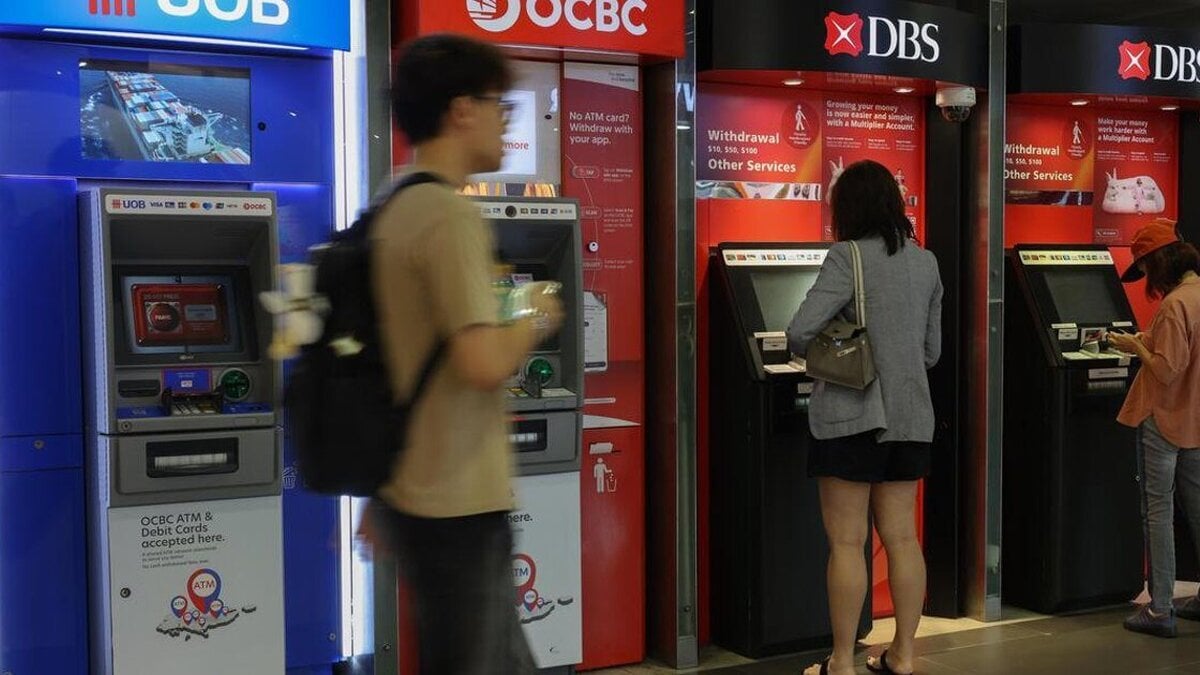
Singapore bank shares have pulled back after reaching fresh records, putting investor focus on valuations and the cost of funding. The uob share price fell 5.16 per cent on Thursday, as selling spread across the sector for a second straight day.
UOB declined S$2.19 to S$40.25, according to CNA. OCBC fell 4.29 per cent, or S$1.30, to S$29, while DBS slid 4.7 per cent, or S$3.64, to S$73.85.
The sell-off followed a Citi downgrade of OCBC to “sell” from “neutral”. Citi said it expected the bank’s third-quarter earnings to be flat from a year earlier. The declines matter beyond one stock: the three banks’ shares had all reached fresh record highs this year, and the pullback has put expectations for Singapore’s banking sector under scrutiny.
Why the UOB share price fell
Analysts cited several pressures behind the retreat: investors taking profits after a strong run, rising bond yields and concern that higher interest rates could increase banks’ funding costs.
“Investors are becoming more risk averse,” Macquarie Equity Research’s head of ASEAN equity research Jayden Vantarakis told CNA, describing the possible motivation behind this week’s selling.
OCBC’s performance has also sharpened attention on what banks can deliver next. Jefferies’ ASEAN research analyst Joanna Cheah said investors were questioning whether the lender could repeat the strength of its second quarter.
OCBC had gained about 60 per cent this year, CNA reported, citing Glenn Thum, research manager at Phillip Securities Research. Thum said that left little room for disappointment. Citi’s forecast of flat year-on-year third-quarter profit contrasted with OCBC’s 22 per cent growth in the second quarter, challenging a growth narrative that had supported the stock.
There is a near-term cost to rising rates. Banks can earn more from lending when rates rise, but analysts said that benefit may take time to arrive while the cost of attracting deposits increases. Banks are already competing for fixed deposits, Thum said, and loans take time to reprice. Margins could remain under pressure for another quarter or two before improving.
Analysts split on valuations
That tension helps explain why the share declines do not point to a single view on the banks’ prospects. Investors are weighing the possibility of future income gains against funding expenses and valuations that analysts described as elevated.
In a separate report cited by The Straits Times, Jefferies had a “buy” rating on UOB, with a target price of $48. RHB also rated UOB “buy” and set a target price of $47.60, naming it second among its Singapore bank picks after OCBC.
Citi, by contrast, reiterated its “sell” call on UOB in a report on Oct 6, while saying it preferred UOB over OCBC because of relative valuations or positioning. The different calls underline how analysts can agree that expectations matter while reaching different conclusions about where value lies.
For investors and bank customers, the immediate story is not just a share-price drop. If deposit competition pushes up funding costs while loan rates adjust more slowly, the pressure could affect banks’ margins and their ability to meet earnings expectations. Analysts also pointed to slower growth in wealth management fees and competition for quality loans as constraints on the sector.
UOB closed Thursday at S$40.25.
Source: straitstimes.com