Indonesia Fires Push Singapore to World’s Most Polluted City
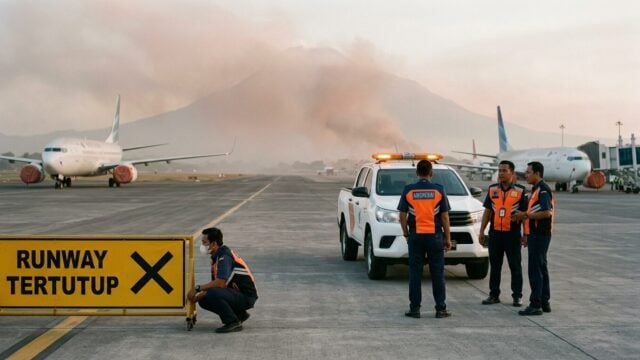
Indonesian fires pushed Singapore to IQAir’s most polluted-city spot as school closures in Malaysia and dry forecasts raised concern over regional haze.
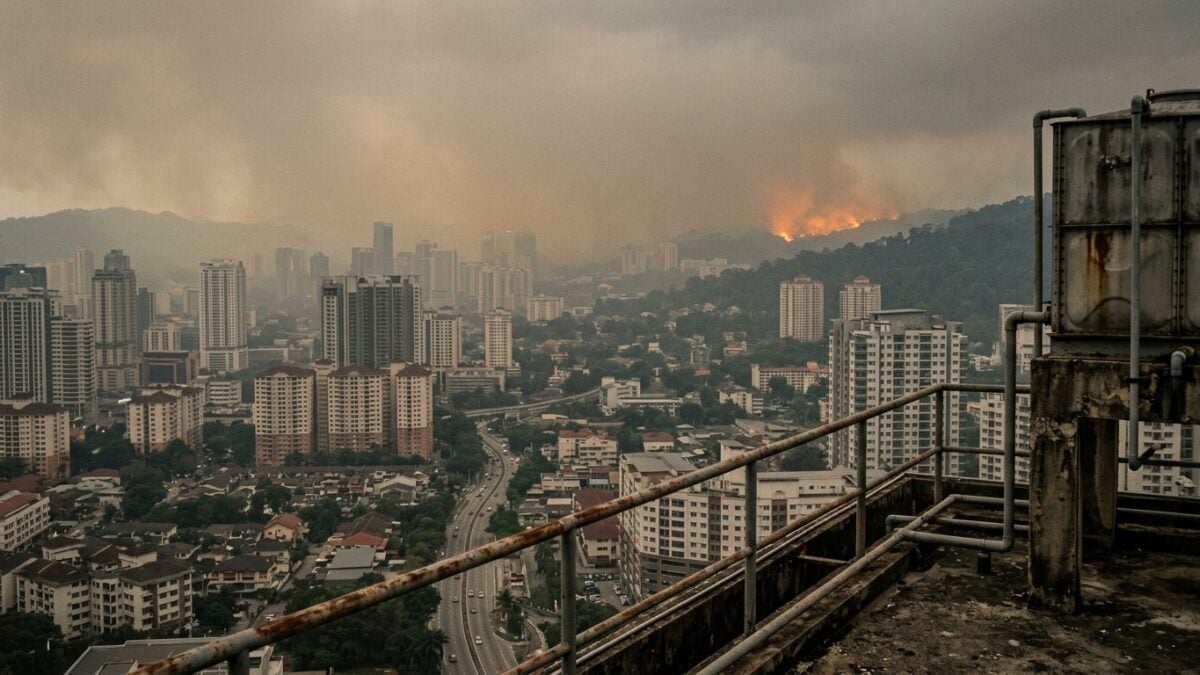
SINGAPORE — Smoke from Indonesian forest and land fires pushed Singapore to the top of IQAir’s global ranking of polluted cities on Wednesday, Oct. 7, 2026, as haze spread across Southeast Asia and disrupted daily life across borders. In Malaysia’s Batu Pahat, authorities closed nearly 200 schools and child-care centers after air pollution reached a very unhealthy level.
The closures followed a reading of 203 on Tuesday morning, Oct. 6, according to the source report. The pollution index prompted local authorities to suspend classes and child-care services, leaving families waiting for the next air-quality readings before normal activities can resume.
Haze spreads across Southeast Asia
Singapore’s air quality was rated “very unhealthy” by IQAir on Wednesday afternoon. Kuala Lumpur had held the top position in the global ranking a day earlier.
Singapore’s National Environment Agency (NEA) uses a separate measure, the Pollutant Standards Index (PSI). It reported all five regions of the city-state in the “unhealthy” category, a level below “very unhealthy.” The different readings reflect separate monitoring systems, so IQAir’s global ranking and NEA’s local PSI figures should not be treated as interchangeable.
At 7 a.m. on Thursday, the 24-hour average PSI stood at 109 in central Singapore and 111 in the east, according to the report. NEA forecast dry weather across much of southern Southeast Asia over the following days, conditions that could keep the risk of fires and haze high.
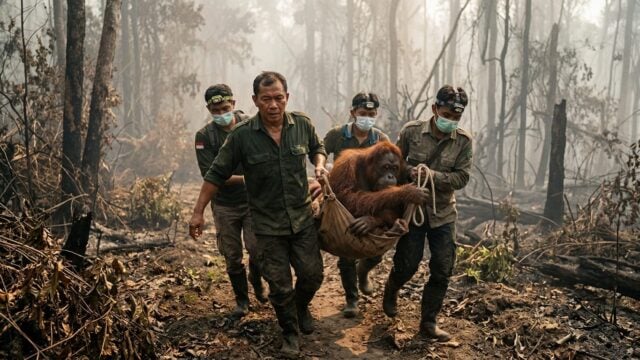
The smoke has been linked to uncontrolled fires in Indonesia. Land clearing by burning, combined with very dry conditions associated with El Niño, has increased fire risk, the source report said.
Indonesia’s SiPongi fire-monitoring platform, managed by the Ministry of Forestry, recorded its highest number of hotspots in a month since 2015. The source did not specify the number of hotspots, but said the increase marked a level of fire activity not seen since that year.
School closures and regional stakes
The disruption in Batu Pahat shows how cross-border haze can quickly affect households, not just air-quality rankings. Children miss classes, while parents and child-care providers have to adjust routines as authorities wait for new pollution measurements. The local disaster management committee said schools would reopen depending on subsequent air-quality readings.
Batu Pahat is about 140 kilometers northwest of Singapore. The scale of the closures makes local monitoring especially consequential: decisions about reopening depend on conditions where children live and study, while the wider haze may vary across the region.
Southeast Asia faced major disruption from haze in 2015, when the fires also strained diplomatic relations between Indonesia and neighboring countries. The latest episode again places land management and cross-border pollution at the center of regional concern.
Greenpeace detected more than 20 palm oil, pulp and paper, and sugar companies whose concessions it said were sources of smoke from fires. The environmental group said some companies had business ties to Malaysia and Singapore. The source report did not name the companies or detail those ties, so the claims remain attributed to Greenpeace.
Singapore Grand Prix organizers monitoring conditions
The haze emerged days before the Singapore Grand Prix, scheduled to begin Friday, Oct. 9, 2026. The event’s organizers said on Tuesday they would work with relevant agencies to assess conditions and make a joint decision if haze affected visibility, public health or the race.
No changes to the event had been announced in the source material. Air-quality and visibility assessments ahead of the scheduled race will guide any next steps, while NEA’s dry-weather forecast points to continuing concern over fires and haze.
“Singapore GP said on Tuesday that it would work with relevant agencies to assess the situation.”