Oil Prices Fall to $105.72 but Remain $40 Above Last Year
Oil was priced at $105.72 per barrel using Brent as the benchmark at 6:45 a.m. Eastern Time, down $2.61 from the previous morning. The price remains around $40…
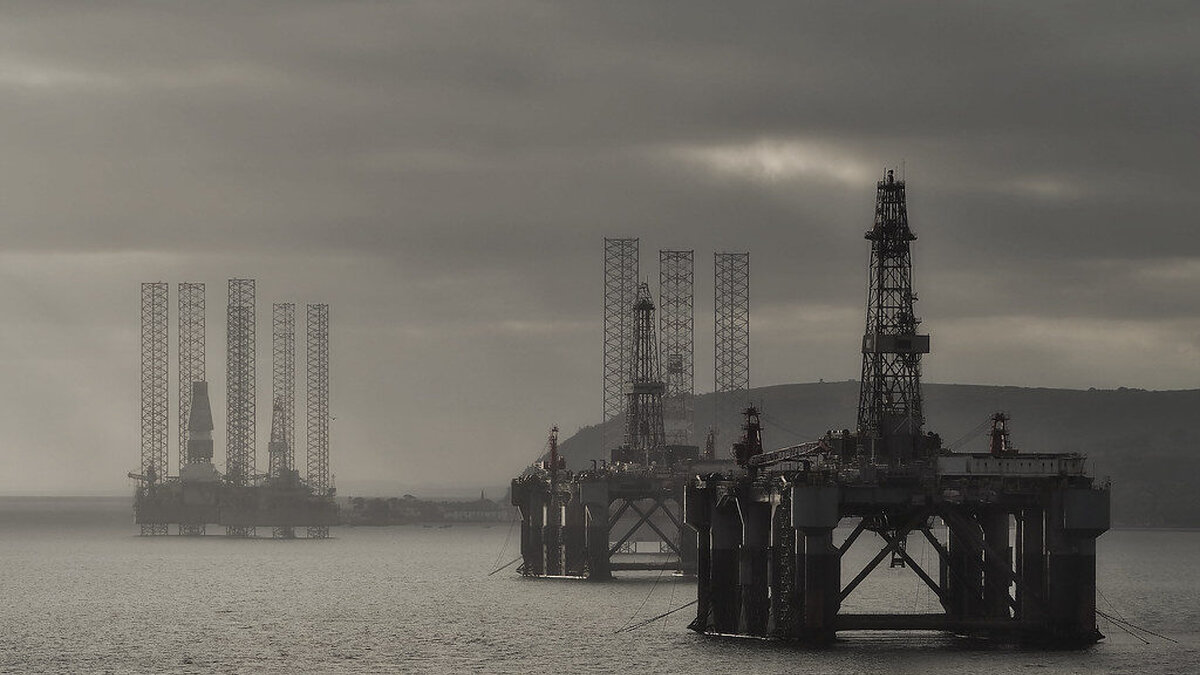
Fortune reported that oil prices today 2026 stood at $105.72 per barrel at 6:45 a.m. Eastern Time, with Brent crude as the benchmark. The price had fallen $2.61 from the previous morning, but remained around $40 higher than a year earlier.
That matters beyond crude markets: oil costs influence what consumers pay for fuel, although a drop in crude does not always translate quickly to lower prices at the pump.
Why crude moves do not immediately reach the pump
Retail gasoline prices reflect more than crude oil. Fortune says the pump price also includes refining and transport costs, taxes, and the markup added by local stations.
Crude generally accounts for a majority of the per-gallon cost, so sharp changes in oil prices can have an outsized effect. When oil rises, gasoline prices typically move up alongside it. When oil falls, however, pump prices often take longer to retreat.
Fortune describes that pattern as “rockets and feathers”: prices can rise quickly but ease more slowly. For households and businesses that rely on fuel, the delay means a lower crude benchmark may not bring immediate relief at the station.
Brent tracks global oil performance
Brent is the main global oil benchmark, while West Texas Intermediate (WTI) is the main benchmark for North America, according to Fortune. Brent is used to track global performance because it prices much of the world’s traded crude.
The publication also says the U.S. Energy Information Administration uses Brent as its primary reference in its Annual Energy Outlook. Benchmark choice matters because it gives readers a consistent reference for following oil-market movements.
Fortune cautions that precise forecasts are not possible. Supply and demand shape the market, while concerns about recession, war and other large-scale disruptions can quickly alter the direction of prices.
Supply shocks and temporary relief
The U.S. Strategic Petroleum Reserve holds crude for energy security in emergencies such as sanctions, severe storm damage or war. Fortune says the reserve can also help soften steep price increases during supply shocks.
It is not a long-term fix. The reserve is intended to provide temporary relief, assist consumers and help keep critical parts of the economy operating, including key industries, emergency services and public transportation.
Oil can also affect natural-gas demand. Fortune notes that when oil prices increase, some industries may switch to natural gas for parts of their operations where possible, raising demand for that fuel.
Historical swings underline how exposed prices are to changing conditions. Fortune points to the oil shock of the early 1970s, a price drop in the mid-1980s, a spike in 2008 followed by a fall during the global financial crisis, and demand collapsing during the 2020 COVID lockdown, when prices dropped below $20 per barrel. At the latest reading cited by Fortune, Brent stood at $105.72 per barrel.
Source: fortune.com