Singapore pollution spikes east as wildfire haze spreads
Recorded its highest pollution reading of the year as smoke from Indonesia’s wildfires intensified across the region. East Timor suspended face-to-face lessons…
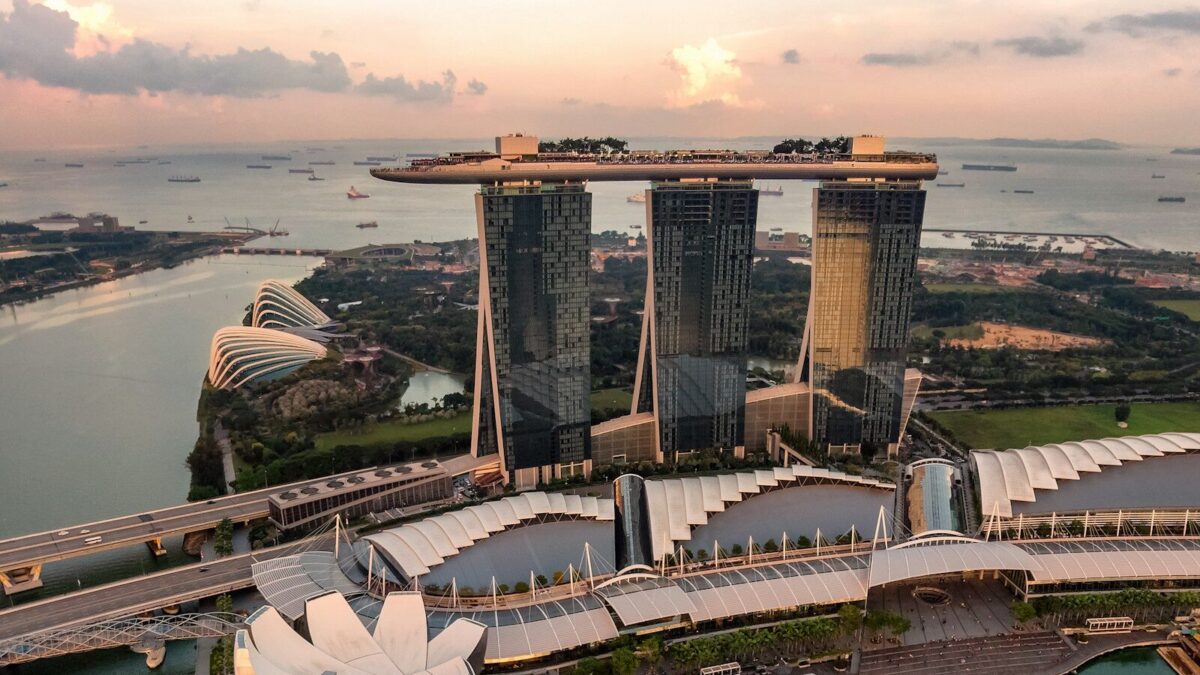
Smoke from Indonesia’s wildfires pushed air pollution in Singapore to its highest level this year on Wednesday, while East Timor suspended face-to-face lessons for three days. The singapore pollution spikes east story shows how the haze is affecting neighboring countries as Indonesia steps up firefighting efforts.
The one-hour PM2.5 reading in western Singapore reached 284 micrograms per cubic meter, entering the “very high” band set by the National Environmental Agency for the first time during the current haze period. PM2.5 refers to fine pollutant particles measured in the air.
East Timor’s government said it would halt in-person learning from Thursday for three days because of contamination from wildfire particles. The suspension puts the regional haze’s effects directly into classrooms, as smoke carried across borders worsens air quality beyond Indonesia.
In a statement, the government cited “contamination by pollutant particles from wildfires in neighboring regions or countries.” It did not name Indonesia. East Timor shares an island with part of Indonesia’s East Nusa Tenggara province, where a number of hotspots have been reported.
Indonesia deploys more firefighting personnel
Indonesia is facing its most intense wildfire season in 11 years, fueled by dry weather conditions related to El Niño. The haze has coincided with a spike in respiratory illnesses in Indonesia and a sharp decline in air quality across the region. Several states in Malaysia have also been forced to close schools.
Honi Havana, an official at Indonesia’s Coordinating Ministry for Political and Security Affairs, said the government was mobilizing resources to tackle the fires. “We are mobilizing all our resources and capabilities,” he said at a Wednesday news briefing.
Havana said Jakarta had deployed more than 69,000 firefighting personnel, up from around 44,000 in mid-September. He also said authorities were testing new methods to extinguish fires using special chemicals.
The response faces a particular challenge from peatland fires. They smolder beneath the surface and can re-emerge, said Berton Panjaitan, a spokesperson for the disaster mitigation agency. “We must recognize that the only way to resolve this is through sustained rainfall,” he said.
The scale of the pollution matters beyond the immediate disruption to schools and daily life. Fine particles in the air have been linked in the source report to a rise in respiratory illnesses in Indonesia, while declining air quality has prompted school closures in parts of Malaysia and now East Timor. Singapore’s reading also crossed into the agency’s “very high” category.
Regional pressure grows over haze
Singapore’s current reading remains below the national record cited by NBC News. In October 2015, Indonesian wildfires drove the PM2.5 level in western Singapore to 471 micrograms per cubic meter.
Indonesia’s efforts are unfolding as Southeast Asian foreign ministers prepare to discuss transboundary haze at an ASEAN meeting next month. Criticism of Jakarta has continued to mount among affected neighbors.
On Tuesday, Malaysian lawmaker Syed Saddiq Syed Abdul Rahman urged Southeast Asian nations to lodge a diplomatic protest, saying Jakarta had not done enough to control the fires. He called for Malaysia’s objection to be backed by other affected ASEAN countries, including Singapore.
Singapore’s one-hour PM2.5 reading reached 284 micrograms per cubic meter.
Source: nbcnews.com