Goldman Sachs Flags Rising AI Infrastructure Borrowing Costs
CoreWeave shares fell as investors reassessed the financing risks behind the AI infrastructure build-out. Goldman Sachs said spreads on high-yield AI-related…

Goldman Sachs said higher borrowing costs are sharpening scrutiny of the financing behind artificial intelligence infrastructure, as CRWV and other neocloud stocks came under pressure. The bank pointed to a widening gap in debt spreads between AI-related and other high-yield issuers.
CoreWeave and Nebius shares were both down about 15% over the previous five days, according to Yahoo Finance. The pressure reflects more than concern about CoreWeave’s finances: investors are also assessing the broader economics of building out AI capacity while interest rates remain higher for longer.
The strain is showing in credit markets.
US dollar high-yield AI-related debt spreads widened by 25 basis points between Oct. 13 and 14, reaching 360 basis points over Treasurys, Goldman Sachs said in a note on Friday. Spreads on non-AI-related debt widened by two basis points and remained below their March peak.
Goldman Sachs flags funding-cost pressure
The bank said the widening among AI-related issuers has been concentrated in corporate bonds and data center project finance. That distinction matters for companies seeking capital to finance large infrastructure projects: higher borrowing costs can add pressure to business models that depend on continued investment.
Goldman Sachs strategist Amanda Lynam said softer sentiment could push data center bonds wider, particularly if lenders reassess the credit quality of companies expected to buy capacity. But she placed AI-related corporate bonds issued by neoclouds or firms with significant exposure to frontier labs at the center of the debate over funding costs.
“We think the widening reflects a reassessment of the economics of the AI buildout, particularly for lower-rated borrowers that are more exposed to higher-for-longer rates and potential energy-cost pressures,” Lynam said.
She said energy and utilities companies with ties to AI have been more resilient in the bank’s view, partly because they have more diversified revenue streams and a relatively defensive earnings profile. That contrast suggests the market is not treating all businesses linked to AI infrastructure alike.
Pressure extends beyond CoreWeave
Yahoo Finance’s reporting also described a sharp move in CoreWeave shares. The stock fell 15% on Wednesday, after a chart showing rising borrowing costs gained attention on X. Bloomberg, citing an internal memo, reported that CoreWeave CEO Mike Intrator told staff the market was acting “irrationally.”
“We are confident in our business model, our customers, the extraordinary quality of our execution, and the relentless discipline around the financial engine we have built,” Intrator wrote, according to the report.
The selling spread to other AI cloud and infrastructure stocks. In the same report, Nebius fell 11%, Oracle dropped another 9%, and DigitalOcean, Hut 8, Cipher, TeraWulf and IREN each sank more than 10%.
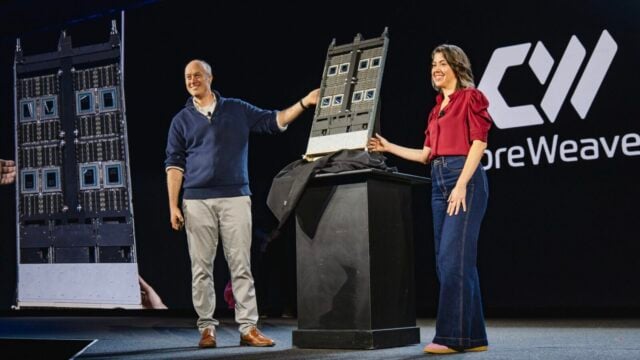
CoreWeave rents Nvidia chips to AI companies and finances much of that hardware with debt, Yahoo Finance reported. The company’s interest expense rose to $640 million in the second quarter from $267 million a year earlier, while it recorded a $626 million loss in the quarter. Revenue more than doubled over the same period to $2.58 billion.
Total debt reached about $52 billion at the end of June, up from about $15 billion a year earlier, according to the report. Those figures help explain why investors are examining the cost and durability of financing, not just demand for AI computing.
Goldman Sachs strategist Lynam sees “some near-term reversal” in the recent sell-off in US high-yield debt tied to AI. She also said “dispersion across AI-related issuers is likely to remain high.”
Source: finance.yahoo.com