Study Links Ultra-Processed Foods to Signs of Brain Injury in Canadians
A Canada-wide study of more than 8,700 middle-aged participants found a possible link between diets high in ultra-processed foods and signs of vascular brain…
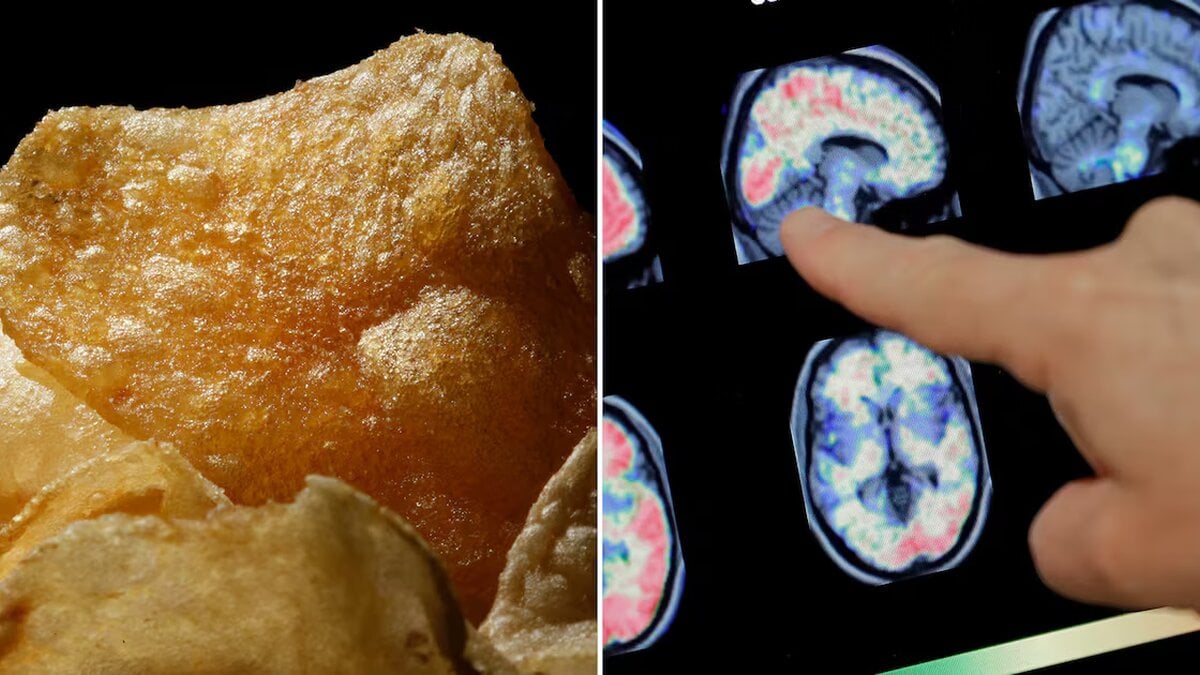
A Canada-wide study has found a possible link between ultra processed foods and brain injury, raising questions about what frequent consumption of packaged meals and snacks may mean for long-term brain health. Researchers examined MRI scans from more than 8,700 middle-aged Canadians, but say further work is needed to establish whether the foods directly cause the changes seen.
The study found that people whose diets included ultra-processed food for nearly half of their daily intake appeared more than 40 per cent more likely to show signs of vascular brain injury. The findings were published Thursday in the Journal of the American Medical Association.
The scans showed signs that researchers described as a combination of silent stroke and a pre-stroke profile in some participants. A silent stroke can happen without the person realizing they have had one. The brain changes may also be early warning signs linked to future stroke or memory loss associated with dementia, according to the researchers.
What the scans showed
“As part of the brain injuries, we found a combination of a silent stroke, when you don’t realize you’ve had a stroke and a pre-stroke profile in some participants whose daily diet is made up of more than 45 per cent processed food,” Dr. Sonia Anand, the study’s senior author and a professor of medicine at McMaster University, said.
Anand said the researchers observed an effect in MRI scans that they associated with ultra-processed food intake. “We observed an independent effect of the ultra-processed foods and the brain damage seen in the MRI scans,” she said.
The study does not establish that the foods directly caused the brain injuries. Researchers said work is continuing to determine whether there is a direct link between ultra-processed foods and the MRI changes.
Russell De Souza, a health research professor at McMaster University and registered dietitian, said the category includes chips, sweet breakfast cereals, highly processed sweet yogurts and some frozen meals. Participants with the highest intake also had more body fat and more deep belly fat than those who ate less.
Researchers are following participants
The study began in 2014 and included people who ate very little processed food as well as people who ate it frequently. Researchers conducted an MRI on each participant. A continuation is now under way, with some volunteers returning for another MRI so researchers can compare scans over time with their diets.
The findings also land amid concerns about the affordability of healthier food. A Heart and Stroke Foundation study released in 2025 found that nearly half of the food eaten each day by the average Canadian is ultra-processed.
De Souza, who co-authored that paper, acknowledged that food inflation can put healthy, whole-food meals out of reach for some individuals and families. He encouraged people to eat at home where possible, buy local and use supermarket sales.
Anand described food as a key factor in population health. The researchers’ follow-up findings are expected to be made public in early 2028.
Source: ctvnews.ca