France Protests Push Bond Yields Higher as Budget Pressure Grows
French bonds and stocks fell after violent protests over the weekend, raising concern among investors as the government prepares a budget to rein in its…
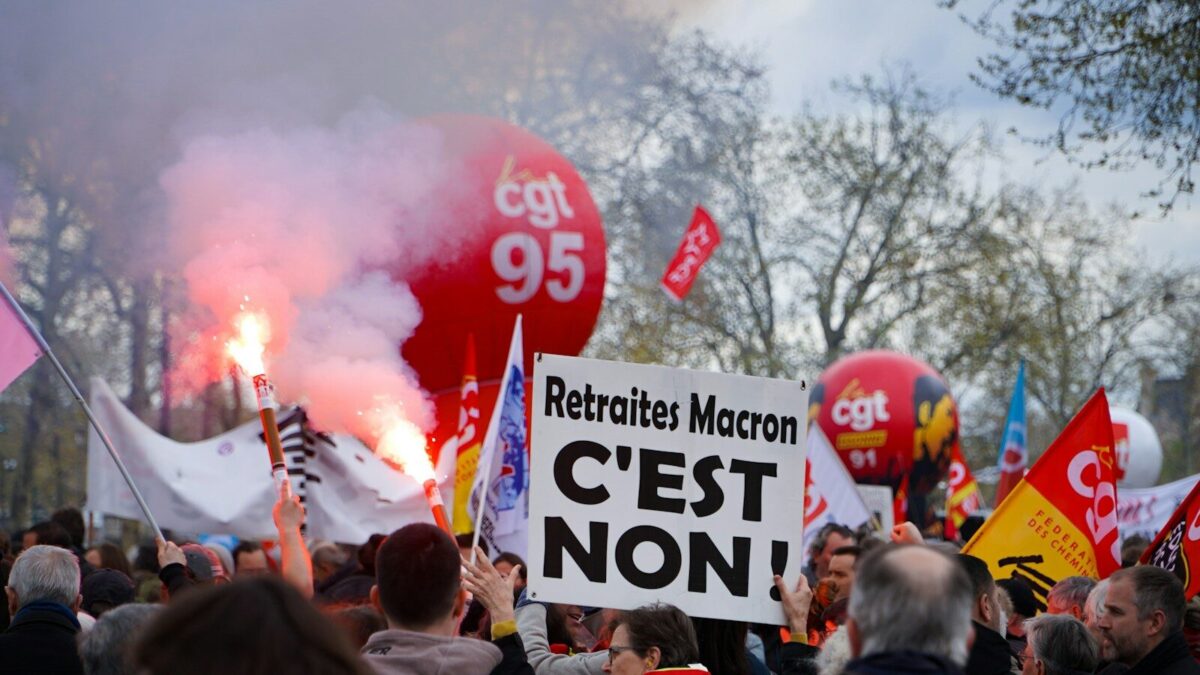
For investors, unrest in France has quickly become a test of confidence in the country’s finances. France hit debt sell-off on Monday after violent protests over the weekend, pushing up government bond yields and weighing on stocks as the government prepares a budget to rein in its deficit.
The protests left public buildings burned, hundreds of shops looted and led to thousands of arrests across the country. Almost 2,400 people had been arrested, the interior ministry said on Sunday. Police used tear gas during confrontations with protesters.
The market reaction was immediate. France’s 10-year bond yield rose by seven basis points to 4.849%, while the two-year yield increased by 2.5 basis points to 3.571%. Bond yields rise when prices fall.
The widening gap between French and German 10-year borrowing costs signals a higher risk premium attached to French debt. That can make government borrowing more expensive as Paris tries to contain its deficit.
Budget plans face political pressure
The unrest followed weeks of peaceful demonstrations over conditions in schools and the cost of living. Tens of thousands attended marches calling for more teachers and repairs to deteriorating schools. Different groups later clashed with police in Paris, Bordeaux, Nice and Marseille.
French President Emmanuel Macron condemned what he called “unbridled violence” in a televised address on Sunday night. “Looking at these images, we all asked ourselves: what is going through their minds? How can French people do this to France?” he said.
The government is preparing a budget that would cut pension spending and funding for government departments, excluding defence. It is seeking to rein in the deficit, but growing political pressure could derail the plans and add to borrowing needs.
That puts the bond-market move in direct tension with the government’s fiscal effort: higher borrowing costs would add strain to public finances just as officials try to pass next year’s budget. The Guardian reported that France’s debt-to-GDP ratio stood at 115.6% in 2025 and its budget deficit at 5.1%.
Jim Reid of Deutsche Bank said the protests “won’t make it easy for the international community to be totally comfortable buying OATs [French government bonds]”. He said France already faced a difficult fiscal backdrop and that the 2027 election approaching added another layer of political risk for markets.
Longer-term borrowing costs also rose. France’s 30-year bond yield, a benchmark for the government’s long-term borrowing costs, increased by three basis points to 5.397%.
Shares and the euro also weakened. The CAC 40 fell by 1% at the start of trading in Paris, compared with a 0.4% decline in the pan-European Stoxx Europe 600. The euro slipped 0.4% against the US dollar in early trading, to $1.1197.
France’s 10-year yield reached 4.849%.
Source: theguardian.com