UK inflation rate rises 3.5% as fuel costs jump
UK inflation rose to 3.5% in the year to September, driven mainly by higher petrol and diesel prices, according to the Office for National Statistics. The…
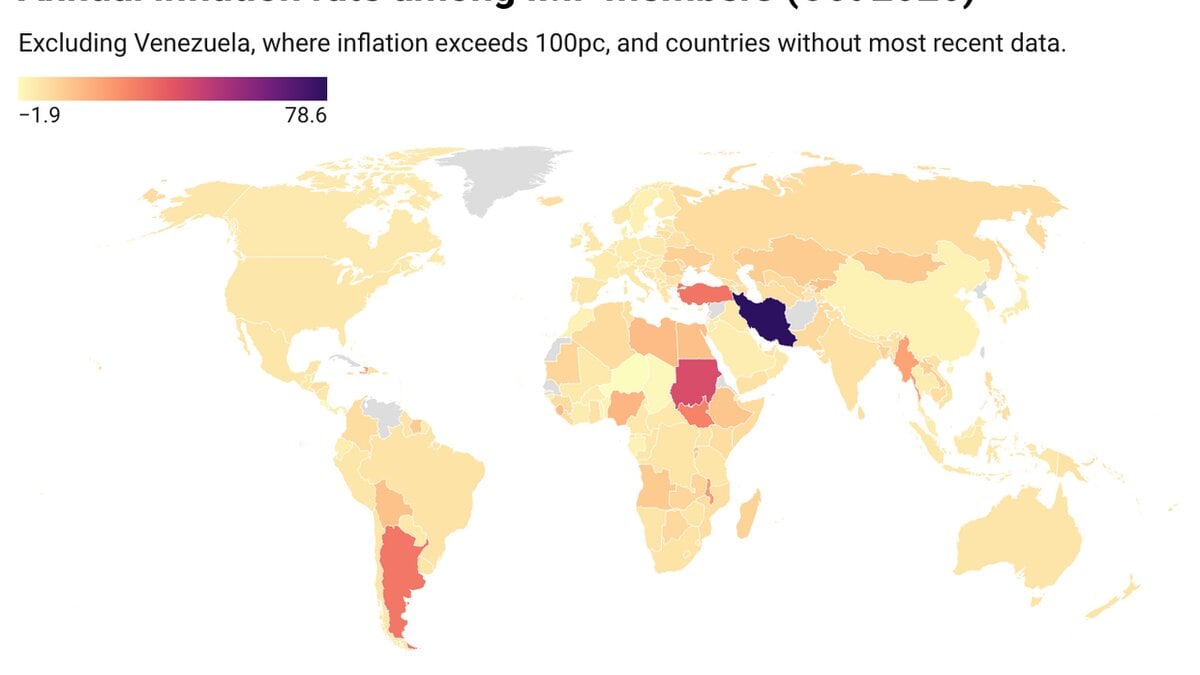
LONDON — The inflation rate rises 3.5% in the UK in the year to September, with petrol and diesel costs providing the biggest push, according to figures from the Office for National Statistics. The increase comes a week before Chancellor John Healey’s Budget and may shape both household benefit payments and the Bank of England’s next rate decision.
Prices rose faster than economists had expected. The annual rate had been 3.1% in August, while analysts had forecast 3.4% for September, the BBC reported. Higher fuel costs also fed into government borrowing costs, adding pressure as Healey prepares his first Budget as chancellor.
Fuel costs drive the inflation rise
The ONS said petrol and diesel made the largest contribution to September’s inflation increase. Petrol prices rose by 8.2p per litre between August and September, reaching 169.5p per litre. Diesel rose to 192.5p per litre, while motor fuel prices overall increased by 29.8% in the period covered by the figures, according to the BBC’s report.
Airfares also contributed. Their prices fell in September, but by less than usual after the summer peak. The BBC reported that higher prices for computer games and live events also added to the increase.
Fuel is a visible pressure for households because it affects the cost of filling a car and can feed through to transport and other prices. That makes the inflation figure more than a headline measure: it helps determine next spring’s rise in some benefits, while higher costs for energy and transport can tighten household budgets.
Food price growth remained at 1.3%, according to The Guardian, while clothing costs edged down. The relative steadiness in those categories did not offset the effect of fuel and airfares on the overall rate.
Benefits and interest rates in focus
The September inflation rate is used as the benchmark for increases in some benefits the following April. The BBC said attendance allowance, carer’s allowance, disability living allowance, incapacity benefit, industrial injuries benefit, personal independence payments, severe disablement allowance, additional state pension and guardian’s allowance rise in line with the consumer prices index. Other payments, including Universal Credit, depend on government decisions.
That link gives the inflation figure a direct consequence for recipients: the 3.5% rate is the benchmark for the specified benefits’ increase from next spring. The government’s Budget decisions will determine what happens to payments not automatically tied to the index.
Bank of England policymakers are also watching the data. The BBC reported that analysts see the figures as increasing the chance of an interest-rate rise at the Bank’s next meeting. The Bank rate stands at 3.75%, and its next decision is due on 5 November.
Bank officials are expected to examine core inflation and services inflation, both of which rose, the BBC reported. Those measures matter because they can show whether price pressure extends beyond fuel and other internationally affected costs.
Budget pressure grows
The inflation update arrived alongside figures showing the government borrowed £25bn in September, £1.8bn more than a year earlier, according to the BBC. The Guardian reported that the government spent £24.5bn more than it received last month. Higher inflation can lift tax receipts as prices and salaries rise, but the BBC said debt interest costs also increased.
Healey said price rises linked to conflicts in the Middle East and Europe were affecting Britain and countries worldwide. The Guardian quoted him saying: “We know that price rises from conflicts in the Middle East and Europe are hitting Britain and countries worldwide.”
He has said the Budget will seek to support growth while giving families and businesses breathing space. But the BBC reported that borrowing in the first half of the financial year, since April, was £6bn higher than expected. The latest inflation figure is 3.5%.
Source: bbc.co.uk