EU Announces Additional €22.5 Million for Yemen Aid
The European Commission is releasing €22.5 million in new humanitarian aid for Yemen, on top of €87.5 million already allocated for 2026. The funding is…
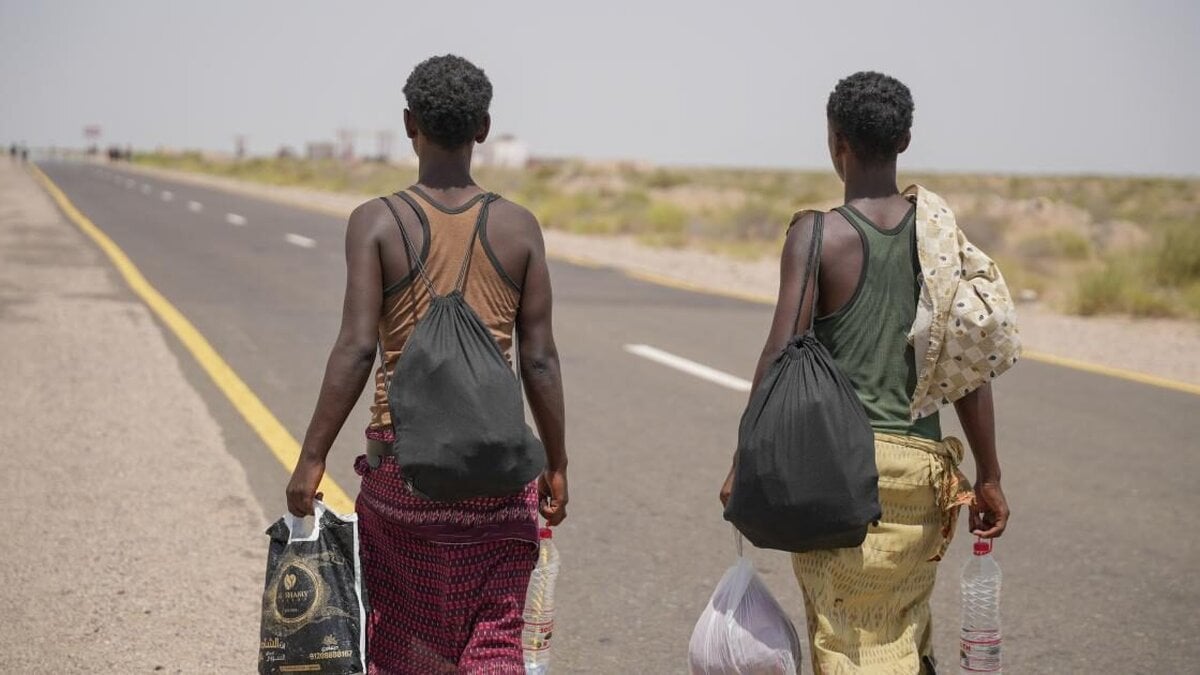
The renewed escalation in Yemen has displaced nearly 230,000 people in recent weeks and disrupted access to essential services. The European Commission announces additional €22.5 million in humanitarian aid to help meet urgent needs across the country.
The new funding comes on top of €87.5 million previously allocated for 2026. The Commission said the money will help humanitarian partners respond to growing needs, reinforce operations and prepare for further deterioration, with a focus on vulnerable people.
That includes displaced families, women and children, people with disabilities and marginalised communities. Millions of people across Yemen face acute food insecurity and malnutrition, with limited access to healthcare and safe water, according to the European Civil Protection and Humanitarian Aid Operations directorate.
Funding targets food, health and essential supplies
EU-funded assistance this year has focused on food security and nutrition, health, water, sanitation and hygiene, protection and other life-saving interventions. The additional funding is also intended to help partners pre-position critical supplies.
Aid can still be delivered despite what the Commission described as an increasingly challenging operating environment. The EU said it would continue needs-based assistance across Yemen under the principles of humanity, neutrality, impartiality and independence.
The practical stakes are immediate: interruptions to food, health and water services compound the hardship faced by families already displaced by the renewed conflict. The new funding is intended to support the partners delivering those services and strengthen their ability to reach people most in need.
“Yemen is once again caught in the violence of war, while its humanitarian crisis remains largely forgotten,” Commissioner for Preparedness and Crisis Management Hadja Lahbib said. “Families cannot wait for a ceasefire to put food on the table or find a safe place to sleep.”
Lahbib called for attacks that kill civilians and destroy hospitals, homes and essential services to stop, and said all parties must respect international humanitarian law and protect civilians. “The people of Yemen must not be forgotten. The EU will stand by them for as long as it takes,” she said.
A crisis affecting millions
The Commission described Yemen as one of the world’s most severe and underfunded humanitarian crises. After more than a decade of conflict, economic collapse and deterioration of essential services, 22.3 million people need humanitarian assistance and protection.
Some 5.2 million people are internally displaced, while more than 2.2 million children under five suffer from acute malnutrition, according to the Commission. Military escalation and strikes affecting civilian infrastructure, including Sana’a airport, power stations and Red Sea ports, have caused civilian casualties and disrupted vital supplies.
Interference in aid delivery also continues to hamper humanitarian organisations’ ability to reach people in need. The EU and its member states said they would continue assistance while advocating for human rights and respect for international humanitarian law.
The Commission said its approach links humanitarian, development and peace action in Yemen, with flexibility needed to direct aid to people as conditions change. Nearly 230,000 people have been displaced in recent weeks.