Indonesia Deploys Dry Ice Weather Modification Against Haze
Indonesia says it may be first to deploy dry ice weather modification at scale against fire-related haze, though field results remain undisclosed.

JAKARTA, Indonesia — Indonesia says it may be the first country to use dry ice in large-scale weather-modification operations aimed at reducing dense smoke from forest and land fires, a claim that puts the focus on whether the field effort can deliver measurable relief to communities affected by haze.
The operation is being carried out by Indonesia’s Meteorology, Climatology, and Geophysical Agency (BMKG), the National Disaster Management Agency (BNPB) and other parties. BMKG has not disclosed the operation’s location, duration or measured impact, leaving the scale of any benefit unclear.
From research to field operations
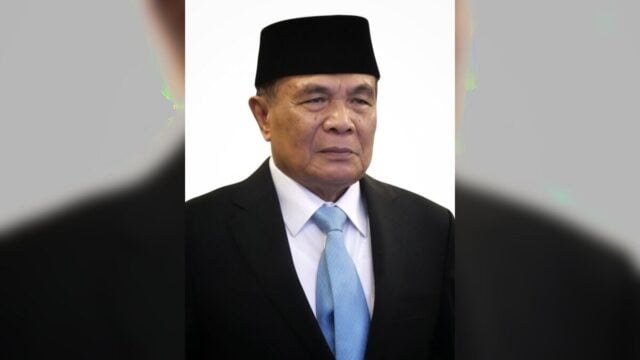
Tri Handoko Seto, BMKG’s deputy for weather modification, made the claim in remarks cited on Saturday, Oct. 24, 2026. He said research into using dry ice for weather modification exists internationally, but that other countries have generally confined the method to laboratory research or limited trials.
“Techniques like this are not widely used in other countries, but, again, the research exists. We may be the first country in the world to carry out large-scale weather-modification operations using dry ice,” Handoko said.
He cited Thailand as another country researching the method, while saying its use there remained at the research stage. In other countries, he said, discussion of dry ice for weather intervention has largely taken place through theoretical studies, seminars and workshops.
The distinction in BMKG’s claim is therefore about operational deployment at scale, not being the first to study dry ice. The agency says it moved the technique from research and scientific discussion into field operations in response to smoke from forest and land fires.
Effectiveness awaits field data
For people exposed to fire-related haze, the stated aim is practical: weather modification is intended to help disperse dense smoke during fires. But the information released so far does not establish whether conditions improved or how many communities, if any, received relief.
BMKG has not provided before-and-after measurements, the areas covered, the length of the operation or criteria used to assess success. Without those details, the public cannot gauge the method’s effectiveness or distinguish its intended purpose from results already achieved.
Those measurements matter because an operational deployment alone does not show how much the intervention changed conditions on the ground. Information on where the operation took place and what monitoring found would help clarify its reach and limits, especially for communities dealing with smoke.
Handoko said BMKG was confident enough to proceed after drawing on academic studies and scientific discussions with colleagues abroad. “Some colleagues in other countries mostly conduct research, examining theories and discussing them in seminar rooms and workshop rooms,” he said.
“From there, we felt sufficiently confident that this technology could be used, and we are applying it operationally in Indonesia,” Handoko said.