Oldest pub England officially named after timber dating
Historic England has confirmed The George Inn in Norton St Philip as England’s oldest continually licensed drinking establishment. Building archaeologist Dr…
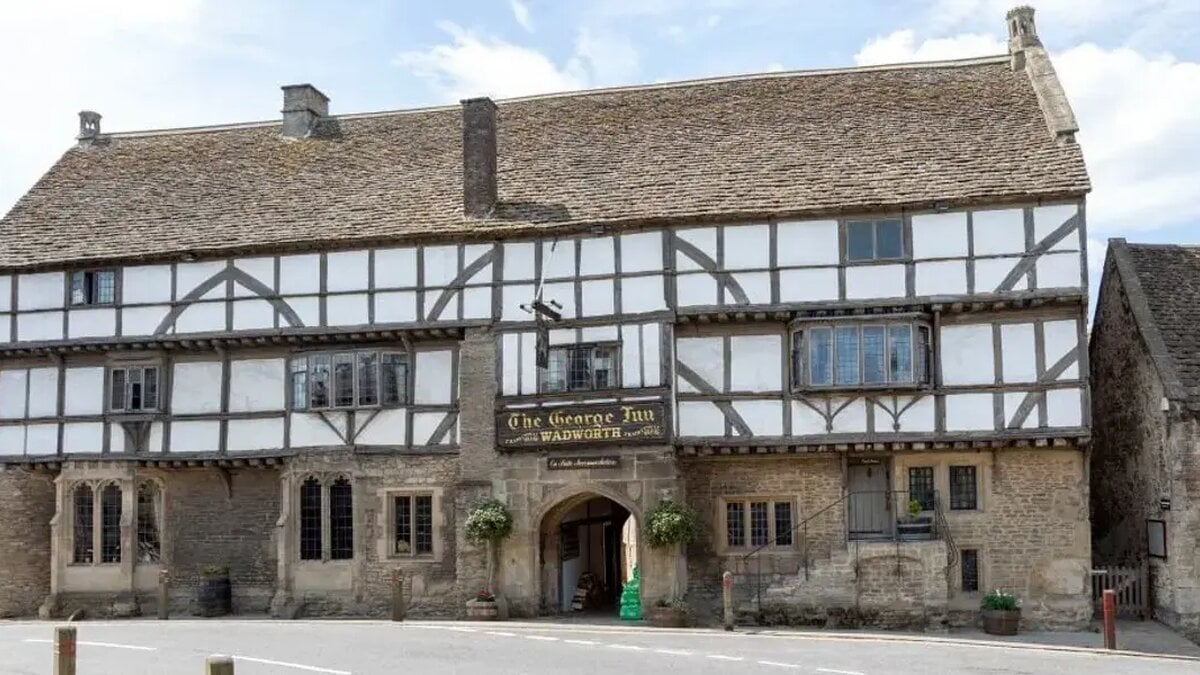
The George Inn in Norton St Philip has been confirmed as the oldest pub England officially recognizes, after tree-ring analysis helped establish the age of its timbers. Historic England named it the country’s oldest continually licensed drinking establishment, ending a long-running dispute over the title.
The inn dates to the late 14th century. The finding matters because more than two dozen pubs across the country claim to be the oldest, but many claims rest on folklore rather than evidence, according to building archaeologist Dr James Wright, who led the investigation.
Tree rings support the inn’s age
Wright’s inquiry combined an examination of the building’s physical fabric, research into its builders and dendrochronology, the science of dating wood through its tree rings. The timber analysis offered evidence for when the building was constructed.
“Because we know medieval carpenters didn't muck around at all and they would fell the timber when it was green and build almost immediately afterwards, the actual date of felling gives us the near date of construction,” Wright said.
The inn was commissioned by Carthusian monks from nearby Hinton Priory as a commercial venture. It accommodated merchants visiting the monastery’s markets and fairs. The monks charged for overnight stays, storage of goods and sales tolls, while the establishment also served the area’s wool trade.
That origin gives the age claim a documented setting beyond the building itself: the inn had a practical role in commerce linked to the monastery. Historic England’s designation concerns its status as a continuously licensed drinking establishment, not simply the age of a structure on the site.
Research challenges other pub claims
Wright’s research disputes several familiar contenders. Ye Olde Fighting Cocks in St Albans claims a history dating to AD793, but the building is from around 1400 and originally served as a monastic dovecote. The source says there is no confirmed evidence of its use as a pub before the early 19th century.
The Bingley Arms in Leeds claims origins in 953AD, though Wright’s assessment describes it as almost certainly a late medieval structure. Ye Olde Trip to Jerusalem in Nottingham promotes a founding date of 1189, but documentary evidence cited in the report places its construction in 1680.
The competing claims became contentious enough that Guinness World Records dropped the category in 2000. Wright told the Guardian that pubs do not appear in the Domesday Book, rejecting claims that an establishment is documented there. He said such stories likely grew from “canny marketing strategies by landlords, tenants, breweries and pub companies.”
The distinction can shape how visitors understand a historic pub: a famous founding story is not the same as evidence that a building operated as a pub at that time. In this case, the tree-ring dating supports a late 14th-century construction date, while records and building evidence help separate the inn’s history from rival legends.
The George Inn also has a documented link to diarist Samuel Pepys, who stayed there with his wife and servants in 1668 while travelling to Bath.
Source: gbnews.com