Fitbit Edge brings back the fitness band, with a new trade-off
Google’s Fitbit Edge returns to the focused fitness-band format, pairing a small display and built-in GPS with roughly a week of battery life. The Verge says…
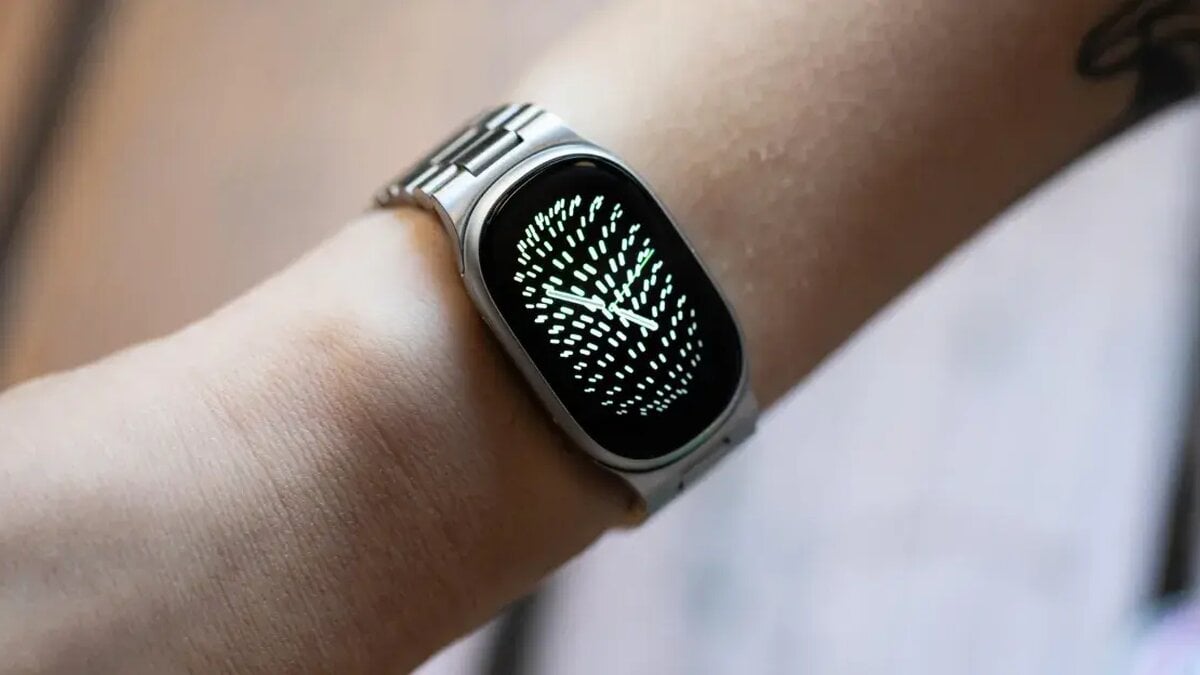
The Fitbit Edge revives the fitness band, and The Verge’s review frames it as everything old again Fitbit: a modernized take on the lightweight trackers many owners already know. The $179.99 device has a small display for health and fitness metrics, built-in GPS and a battery that lasts about a week under typical use.
There is a catch. With the always-on display enabled, the reviewer says battery life fell to about a day and a half. The Edge also leaves out contactless payments and calls from the wrist, keeping its focus on fitness tracking rather than smartwatch features.
A familiar tracker with a softer design
The Verge describes the Edge as a refreshed version of Fitbit bands from the 2014-to-2020 era, including the Charges, Altas and Inspires. Its display has rounded edges, unlike the boxier screen the reviewer found on the Fitbit Charge 6. The straps are interchangeable and use a button-release system.
Google sells additional straps separately. The review mentions a metal link bracelet priced at $150 and a magnetic silicone strap priced at $60. The tracker’s widgets draw on the visual style of the Pixel Watch’s Material 3 Expressive redesign, but the Edge runs a proprietary Fitbit OS rather than Wear OS.
Short and focused. That is the idea.
Built-in GPS lets users track walks and runs without carrying a phone. The Edge can also display notifications, set alarms and control music. It has no microphones or speakers, so users cannot take calls on their wrist. Contactless payments are not supported either.
Andy Abramson, head of product at Google Health, told The Verge that Google made the payments trade-off because “less than one percent [of Charge 6 owners] used the feature.” He said the company instead prioritized a “sleek design, altimeter, and weeklong battery.” The choice leaves out a convenience some tracker owners may value, while preserving a simpler device brief.
Google Health replaces the familiar Fitbit app
The larger software shift is the end of the Fitbit app experience as users knew it, according to the review. Google Health now provides the companion experience, with an AI coach available through a yearly subscription. Buyers get three months free with purchase; otherwise the subscription costs $10 monthly.
The Verge says Google has continued to adjust Google Health and has strengthened automatic activity tracking. The reviewer tested this by recording several runs on the Edge without manually starting an activity, then comparing the results with a run tracked on an Apple Watch. The available source text does not include the outcome of that comparison, so it cannot establish how accurately the Edge recognized those runs.
For buyers, the appeal is a lighter tracker built around core health and exercise features, with GPS and weeklong battery life as headline strengths. The compromises are concrete: no wrist calls, no contactless payments, and a sharp reduction in battery life when the screen stays on. Google’s stated reason for dropping payments was that fewer than one percent of Charge 6 owners used the feature.
Source: theverge.com