Stormont Seeks £1.5bn as Ministers Await Westminster Budget Allocation
Stormont ministers are due to learn how much extra spending money the Westminster Budget will provide. Northern Ireland parties say they need about £1.5bn for…
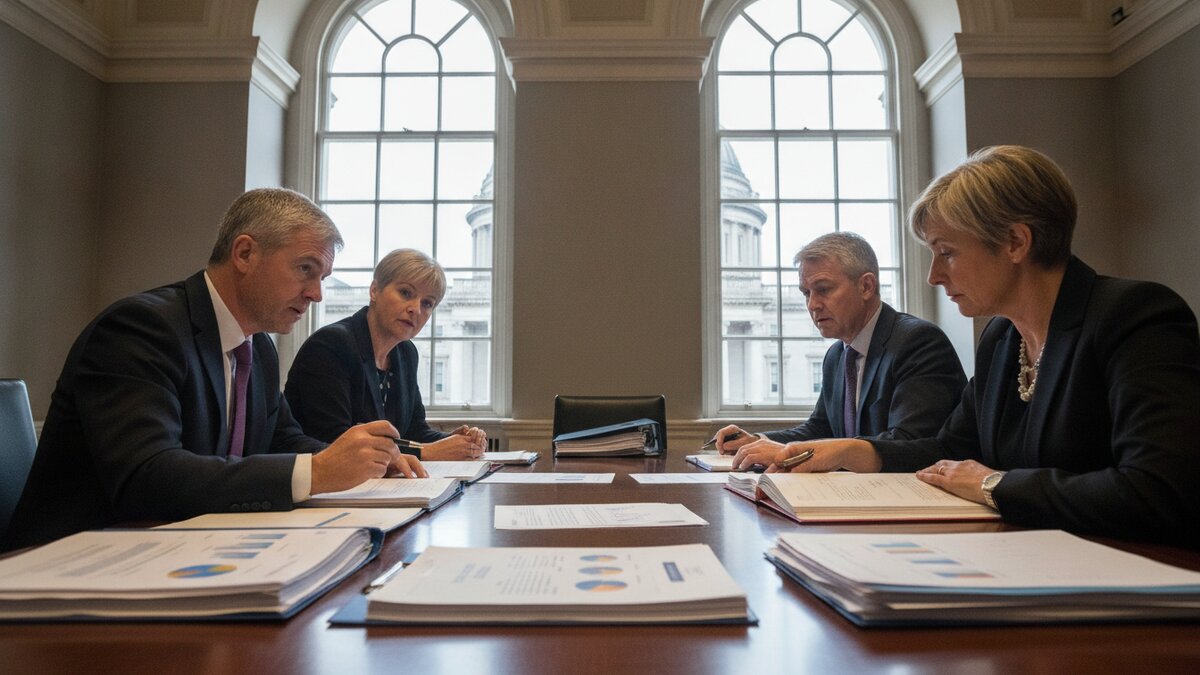
Stormont ministers are due to learn how much extra money they can spend from the Westminster Budget, with Northern Ireland parties seeking about £1.5bn for a workable financial plan. The allocation could affect negotiations over a Stormont budget that remains unsettled seven months into the financial year.
The UK government has offered an additional £525m this year, but Chancellor John Healey is unlikely to meet the parties’ full request. Government sources have also played down expectations of a transformational increase.
The budget 2026 stormont ministers allocation matters beyond Stormont’s accounts: it could determine how much room local ministers have to address pressure on public services and household costs. Most of the funding Healey allocates is likely to be for next year.
How the funding reaches Northern Ireland
Stormont receives a population-based share of additional spending allocated to public services in England. The chancellor traditionally announces the headline figure in his Budget speech; later, Stormont’s Department of Finance works out when the money can be spent and what it can fund.
Some funding is already expected this year from measures announced shortly after Andy Burnham became prime minister. The decision to freeze bus fares in England, for example, is likely to be worth about £10m to £15m for Stormont this financial year.
DUP leader Gavin Robinson said last week it “wouldn't be realistic” to expect the chancellor to close the gap entirely, but added that the shortfall could be made “more manageable”.
The practical effect will depend on both the size and timing of the allocation. A headline amount does not automatically mean all of it is available for immediate spending; Stormont’s finance department must calculate how the money can be used.
Households and businesses want relief
Healey is expected to focus on measures offering households “breathing space” on the cost of living. He said support today must go alongside steps to build for the future, and said the Budget would target businesses and self-employed people, work to reduce energy costs, back entrepreneurs and invest in technologies and homes.
Any help with energy bills is unlikely to apply directly in Northern Ireland, which has a separate energy market and different regulations from the rest of the UK. Instead, Stormont could receive money to establish its own support schemes. Households in Northern Ireland received a £63 reduction in electricity bills this month through the local effect of two schemes operating in Great Britain.
Christina Taylor, owner of Shed Bistro in south Belfast, said another minimum-wage increase could push up prices for customers. She employs about 30 staff and said the previous rise meant each guest would need to spend £4.50 more to cover the cost.
“The cost of living affects us so much, more than Covid - eating out for people is now a luxury and it shouldn't be,” Taylor said. She also called for a VAT reduction, echoing Hospitality Ulster’s position.
Carer Derek Moore, who looks after his parents in Greysteel, County Londonderry, wants help with heating costs and support for carers. Social security is devolved, so changes announced in the Westminster Budget would not automatically apply in Northern Ireland; legislation would need to pass through the Stormont assembly.
Moore said he has to limit how often his parents go out and carefully manage heating at home. “You have to make sure that one room is really warm, and close doors,” he said.
For businesses and families, the allocation is only part of the picture: local decisions will shape which support reaches Northern Ireland and when. Parties say they need about £1.5bn to produce a workable financial plan.
Source: bbc.co.uk