Teacher Strike at Paris Suburb High School Spreads Across France
A teachers' strike at a Paris-area high school in September grew into nationwide protests. Over 1,000 schools have been affected, riots broke out on October…
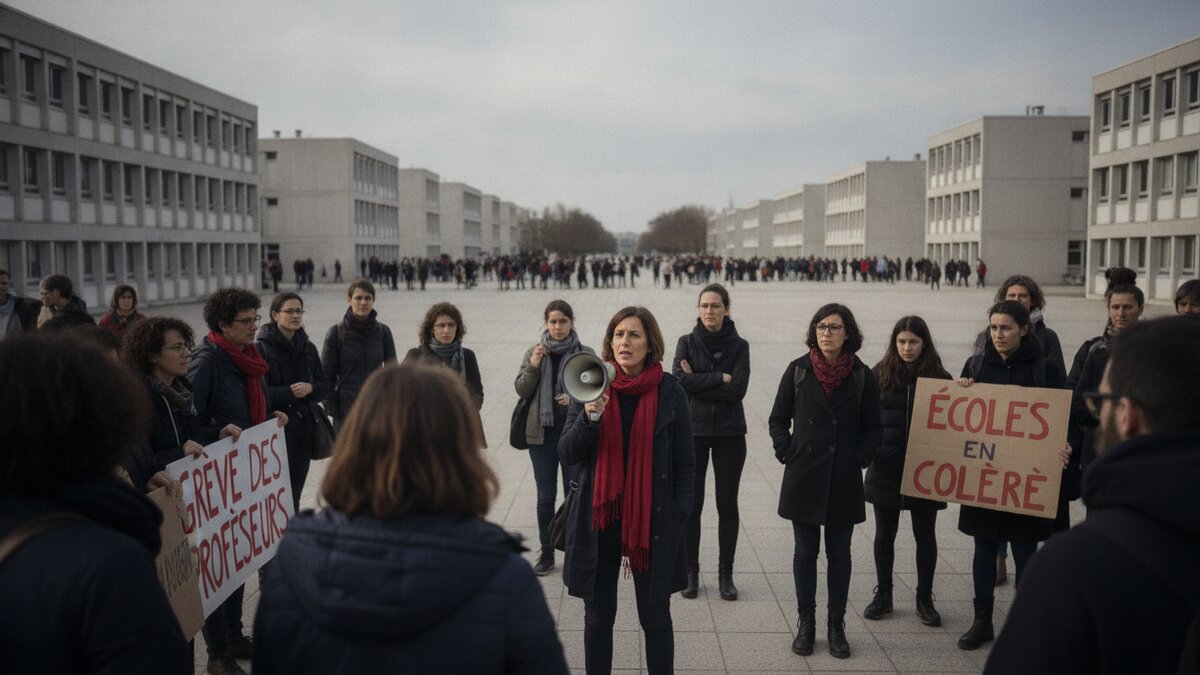
PARIS — What’s behind protests riots in France? A strike by teachers at a high school in a Paris suburb has grown into a nationwide movement that now affects more than one thousand of the country’s roughly 3,700 high schools and has drawn hundreds of thousands of people into the streets.
It began on September 17 at the Antoine de Saint-Exupéry High School in Créteil, a southeastern suburb of Paris. Teachers, joined by students and parents, blocked the school entrance to draw attention to staff shortages, according to the Council on Foreign Relations. Videos of the blockade spread on social media. Protests soon followed at schools across the country.
The movement turned violent on October 17. French authorities have since responded with curfews, a police surge and mass arrests when clashes grew heated.
Crowded classrooms, missing teachers
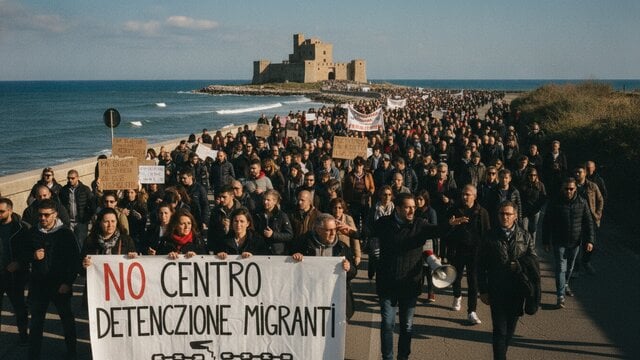
Students in Lyon, Marseille, Paris and other cities barricaded their schools over a lack of teachers, overcrowded classrooms, packed schedules and crumbling buildings. They also demanded an overhaul of Parcoursup, the university admissions platform, which they call too complex and opaque.
The numbers back up some of the anger. Excluding vocational schools, the average high school class has about thirty students, and nearly 20 percent of classes have between thirty-five and thirty-nine. At the start of the 2026–2027 academic year, more than half of high schools and middle schools lacked at least one teacher. More than nineteen million hours of secondary school classes went untaught in the 2023–2024 academic year, largely for lack of substitutes.
Fewer than 15 percent of school buildings have been renovated in the last decade. Last summer, millions of students sat final exams in classrooms without air conditioning, and one school set up a testing center in an underground parking lot to escape the heat.
From school strike to political crisis
Teachers' pay is part of the story. According to the OECD's Education at a Glance 2026 report, cited by Al Jazeera, French school teachers earn a gross salary of 41,968 euros ($46,900) a year, against 69,453 euros ($77,700) for German counterparts.
Trade unions and civil servants have joined in. Discontent also centers on the government's proposed 54-billion-euro ($60bn) package of cost-cutting and tax measures for the 2027 budget, which includes civil servant salary freezes.
Amine Snoussi, a journalist for Le Media TV and a former parliamentary assistant at the French National Assembly, told Al Jazeera: “Students are studying in cold, dirty buildings, some of them infested with rats.” He said absent teachers in some schools had not been replaced for over six months.
Government response and the street
President Emmanuel Macron has blamed ultra-left groups for trying to “bring down the Republic” and threatened accountability for those involved in violence. He met student representatives for the first time on a Friday, but the meeting failed to defuse tensions, and the students called for further mobilization. On Monday, Macron said the government would take “concrete measures” on their concerns.
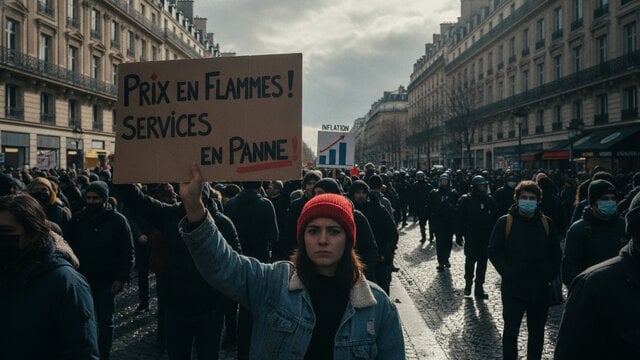
France's Ministry of Interior said 410,000 people protested nationwide on Saturday, including 110,000 in Paris. Unions put the figure closer to double the police count. Apart from a few tear-gas skirmishes, the demonstrations ended peacefully.
More than 3,000 businesses were attacked or pillaged after the giant protests of the weekend of October 17. Thousands of Paris merchants have boarded up their storefronts. Yves Gollety, owner of a weapons store near Place de l'Opéra, said shopkeepers fear “their stores will be attacked and looted.” Business at his shop is up tenfold as owners stock up on pepper spray and tear gas.
Yet daily life in much of Paris has barely changed. Friends still chat in cafés with shattered windows, and a bike shop on Boulevard Voltaire has a spray-painted sign on its makeshift wooden window reading “We remain open.”
The 2027 election looms
An October 7 poll found 55 percent of French respondents supported the movement. The unrest comes ahead of the presidential election in April 2027. With the students' concerns overshadowed by scenes of rioting, the CFR notes, the far right's law-and-order stance could carry it to victory for the first time in modern French history. The far left, popular among young voters, could also gain.
The next test is a strike planned for November 5.
Source: cfr.org