Gruffalo Illustrator Weighs Legal Action Against AI Firms Over Use of His Work
Axel Scheffler, the illustrator behind The Gruffalo, is seriously considering legal action against artificial intelligence companies over what he says is the...
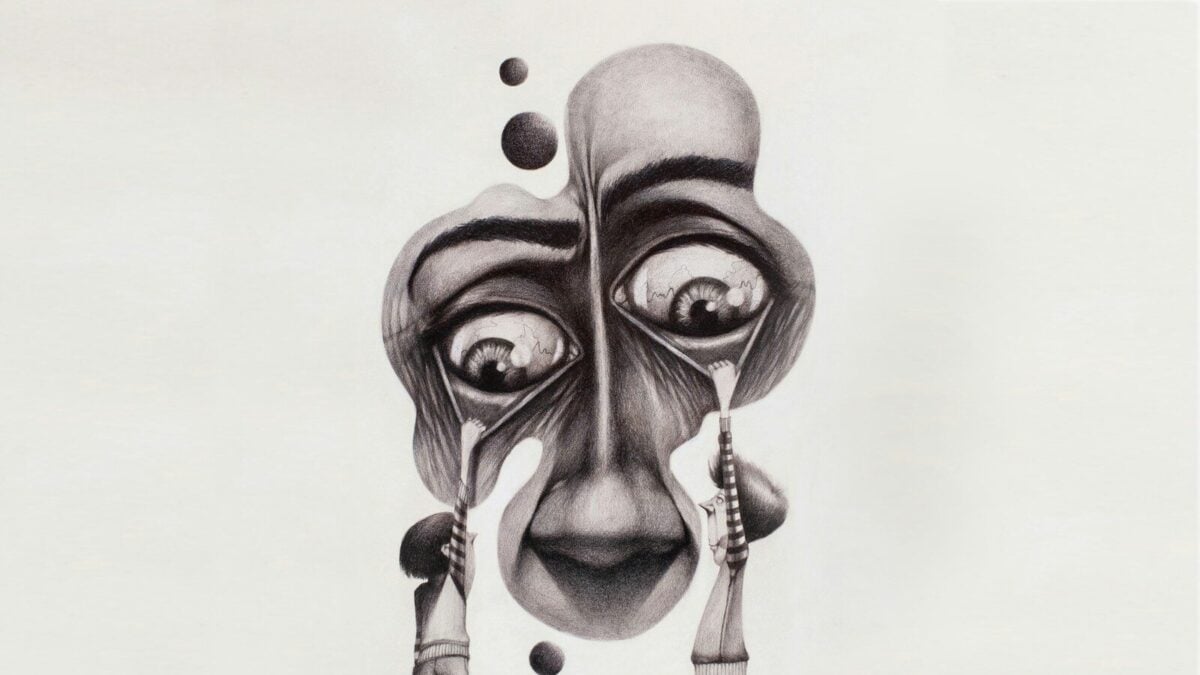
Axel Scheffler, the illustrator behind The Gruffalo, is seriously considering legal action against artificial intelligence companies over what he says is the unauthorised reproduction of his work. He wants the firms to stop using artists’ creations without permission.
The south London-based artist said he had spoken to a lawyer in Germany. He has not identified which company, if any, he may pursue, and no lawsuit has been filed.
Digitally recreated illustrations
Scheffler said he had tried to ignore AI until someone showed him images in which his best-known creations had been digitally reproduced in settings including Silicon Valley and Oktoberfest. The examples left him shocked, he said.
The dispute centres on the use of copyrighted creative work by AI firms. Companies have argued that training models on copyrighted material does not necessarily amount to copyright infringement. The material at issue for Scheffler includes digital recreations of his illustrations; the available examples do not establish how those images were made or whether his work was used to train a particular model.
Scheffler, whose illustrations have appeared in the children’s book since its 1999 publication, said other illustrators had already taken legal action against AI companies. He is now weighing whether to join them.
A wider copyright question
The potential case would add to a growing legal dispute over how AI companies may use artists’ work, and whether creators can object when their images are reproduced or used in developing AI tools. The companies’ position is that training on copyrighted material is not automatically infringement; Scheffler says artists’ work should not be used without permission.
The Gruffalo, written by Julia Donaldson, follows a mouse that outsmarts a beast. Scheffler’s illustrations have become familiar to generations of young readers, making the dispute a high-profile example of the tension between AI development and creators’ control over their work.
For artists, any legal challenge could test the boundary between AI firms’ use of creative material and copyright protections. The next step is uncertain: Scheffler has not named a prospective defendant, but says his aim is clear. “I just want them to stop.”