Indonesia Fire Pollution Linked to 3,560 Deaths in September 2026
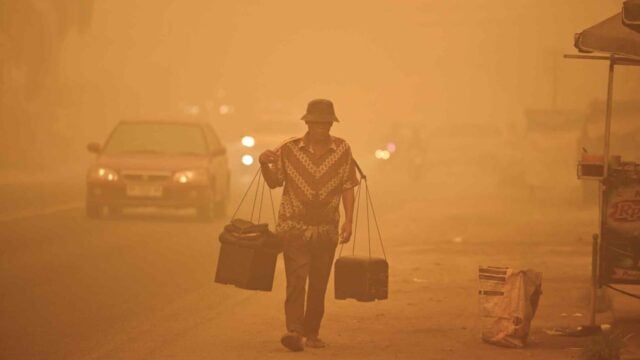
Fire pollution in Indonesia was linked to an estimated 3,560 deaths in September 2026, while 57.8 million people breathed unhealthy-to-hazardous air, a study…
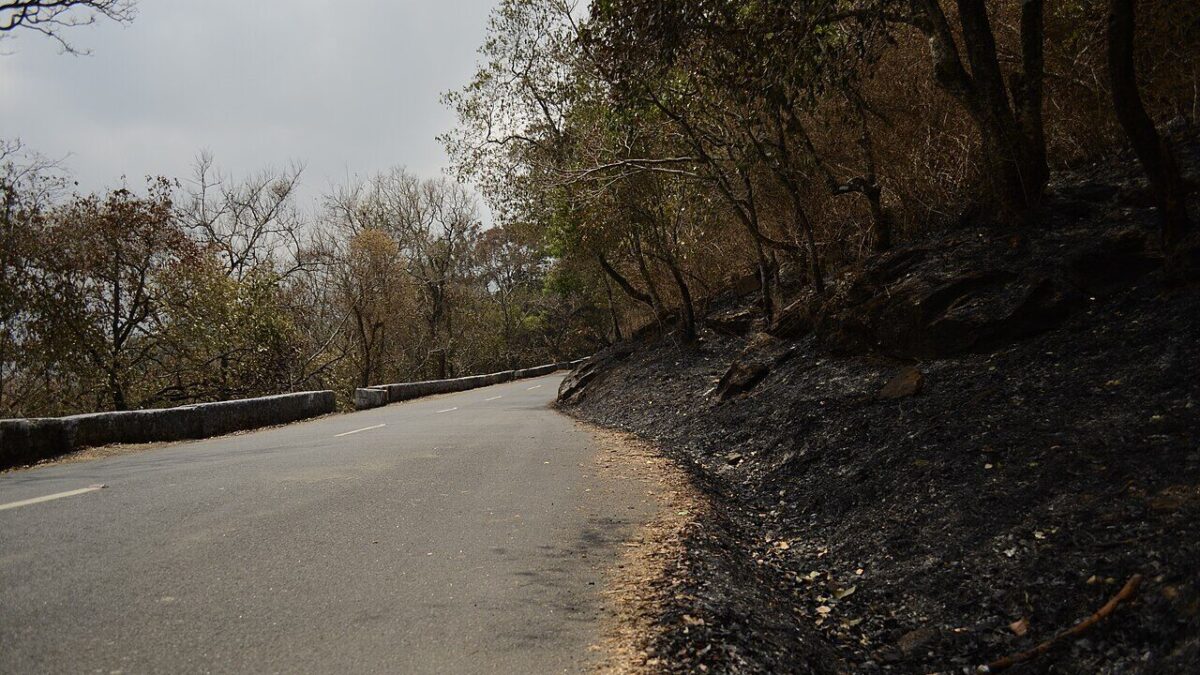
JAKARTA — Fire pollution in Indonesia was linked to an estimated 3,560 deaths in September 2026, a study found, as smoke from forest and land fires affected air quality across the country. The estimate puts 3,000 deaths Indonesia linked to fire pollution into sharper focus, with millions exposed to unhealthy air.
The Centre for Research on Energy and Clean Air (CREA), a Helsinki-based think tank, estimated that about 57.8 million people in Indonesia breathed unhealthy-to-hazardous air during the month. The findings raise pressure for a shift from responding to fires toward restoring peatlands made vulnerable by extensive drainage.
The toll climbed quickly. CREA said the estimated deaths from short-term exposure to PM2.5 pollution reached 3,560 in September, twice the August estimate.
PM2.5 particles are small enough to enter the lungs or bloodstream. The World Health Organization has linked exposure to a higher risk of illness and premature death, while Indonesia also recorded more than 330,000 cases of acute respiratory infection countrywide.
What drove the 3,000 deaths Indonesia linked estimate?
CREA attributed the September rise to worsening air quality caused by forest and land fires. Its estimate covers deaths from short-term exposure, defined in the study as exposure over a matter of days.
Most of the estimated fire-pollution deaths occurred in Indonesia’s part of Borneo, as well as on Java and Sumatra and in the country’s east. The report also measured pollution from sources unrelated to fires, including urban power generation, industry and transportation.
Those non-fire sources were linked to another 1,750 estimated deaths in September. Combined with the fire-related toll, the study put total air-pollution deaths at 5,310 in a country of about 290 million people.
The exposure figures were also far above the World Health Organization’s annual PM2.5 threshold. CREA said levels exceeded it by more than seven times nationally, 10 times in Sumatra and 24 times in Kalimantan.
Why are peatlands central to the response?
Indonesia has battled fires for months amid drought worsened by the El Niño weather phenomenon. Deforestation monitor Nusantara Atlas says fires consumed more than 1.9 million hectares in the nine months to September.
Experts cited in the report said slash-and-burn practices used to clear land, often by timber, palm oil or mining companies, account for much of the fires. The government has not confirmed or rejected the reported death toll.
The haze has also carried consequences beyond Indonesia. Pollution levels rose as far away as Malaysia, Singapore, the Philippines and East Timor, adding strain to Indonesia’s relations with neighbouring countries.
On Java, where the capital Jakarta is located and most of Indonesia’s population lives, the study attributed between 73 and 80 per cent of air-pollution deaths to non-fire sources. That amounted to 1,530 deaths in September, linked to industry, vehicle emissions and waste burning.
“These figures underscore the stark reality that non-fire air pollution sources are as dangerous as smoke from burning forests and peatlands,” the report said.
Agus Sari, chief executive of Landscape Indonesia consultancy, blamed what he called the government’s “weak preparedness” for a “predictable and avoidable” disaster. He pointed to budget cuts affecting the BNPB national disaster management agency.
“Indonesia should be able to prepare for what is going to happen. The fact that we are not prepared at all is purely a matter of lacking the will,” Agus said.
CREA called for the government to prioritize peatland restoration alongside a stronger response to wildfires. The report said that approach should include firm enforcement against illegal land clearing by burning and stronger legal accountability for concession holders.
In September, the estimated combined toll from fire and non-fire air pollution reached 5,310 deaths.