Cape Cod Fireball Meteorite Traced to Jupiter’s Orbit
Researchers traced the Cape Cod fireball’s path to the region of Jupiter’s orbit, suggesting it came from the asteroid belt or a comet near Jupiter. The meteor…
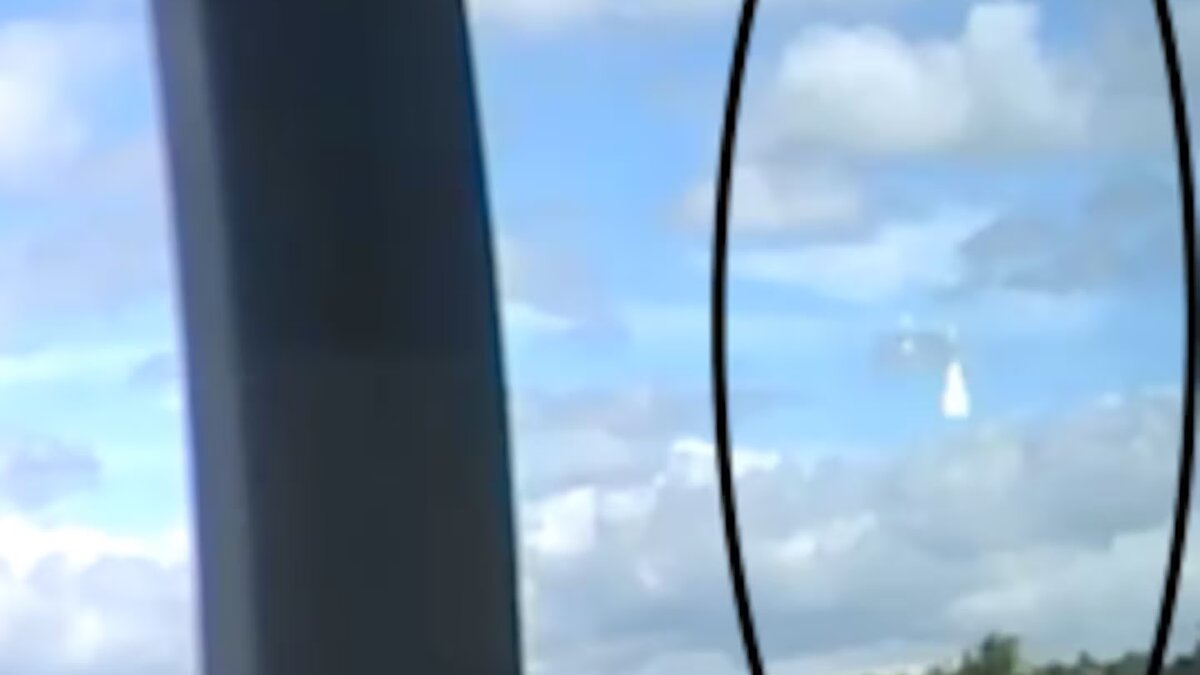
Researchers traced the remember fireball Cape Cod meteor’s path to the region of Jupiter’s orbit after it streaked over Massachusetts on May 30 and crashed into Cape Cod Bay. The space rock was moving at nearly 58,000 miles per hour as it entered Earth’s atmosphere, according to research findings published in The Astronomical Journal.
The analysis also narrows where fragments may have landed: scientists estimate they could be within a 1.9-by-2.3-mile area near the center of the bay. That gives the findings a practical local consequence, although the estimated search area is underwater and reaches depths of around 200 feet.
Where did the Cape Cod fireball come from?
Researchers reconstructed the meteor’s trajectory using meteor radar, conventional weather radar, satellite observations and atmospheric pressure sensors. They then ran the path backward through space to estimate its origin.
The meteor’s farthest point was roughly 4 times Earth’s distance from the Sun, putting it in the region of Jupiter’s orbit. Researchers said it likely came from the solar system’s main asteroid belt between Mars and Jupiter, or from a comet near Jupiter.
Its orbit had an average distance of around 227 million miles from the Sun. Earth’s average distance is 94 million miles.
The event was not an ordinary shooting star. Researchers classified it as a “superbolide,” an exceptionally bright meteor that weighed roughly 12,000 pounds and measured about 5 feet wide before entering the atmosphere.
What may have reached Cape Cod Bay?
The researchers found the meteor was unusually dense and mechanically strong, suggesting it was likely rich in iron. That composition may have helped fragments survive the trip through the atmosphere and reach the bay.
Some models put possible pieces at sizes ranging from a few ounces to around 3 pounds. Scientists estimate the fragments could be spread across the 1.9-by-2.3-mile area near the bay’s center, where the water can reach around 200 feet deep.
That makes the discovery more than a reconstruction of a bright streak in the sky. It points to a specific part of the bay where material from the meteor may remain, while the underwater location presents a clear challenge for anyone trying to find it.
How powerful was the meteor?
NASA estimated the meteor released around 1.1 kilotons of energy, equivalent to 1,100 tons of dynamite, as it burned in the atmosphere. The research findings suggest a lower estimate, closer to 0.5 kilotons, or 500 tons of dynamite.
Nearly 200 atmospheric pressure sensors helped scientists track the shock waves across Massachusetts and other parts of New England. People across the region heard the sonic boom generated high above Cape Cod Bay.
The meteor’s speed was nearly 58,000 miles per hour. Researchers said it was an exceptionally rare event, with fragments that may still be resting on the floor of Cape Cod Bay.