Gen Z protests reach Germany as rallies turn tense
Thousands joined youth-led demonstrations in Berlin, Cologne, Frankfurt and other German cities over living costs, schools and government policy. Most protests…
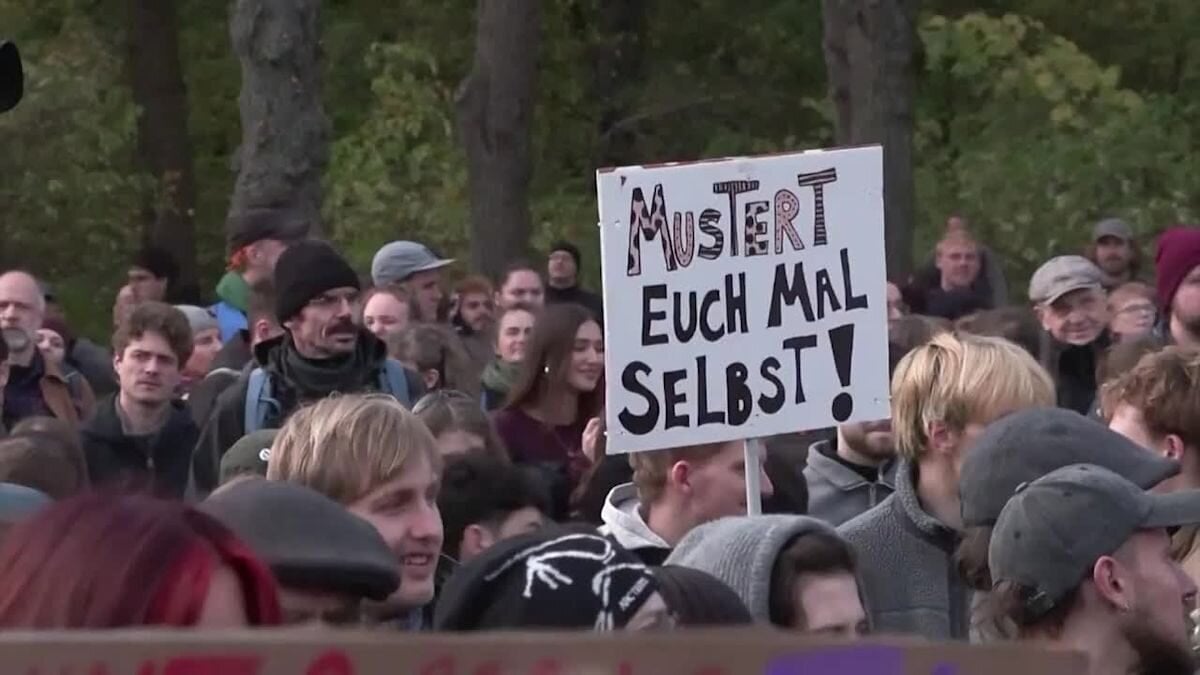
German police used water cannon in Cologne on Saturday as youth-led protests over the cost of living and government policy turned tense in several cities. The rallies, organised by the group “GenZ regelt!”, drew thousands across Germany, with confrontations reported after demonstrations that had been mostly peaceful.
Thousands of police officers were deployed nationwide. The protests took place in Berlin, Frankfurt, Cologne and dozens of other cities, as young demonstrators raised concerns about affordability, schools and spending decisions they believe overlook younger generations.
In Cologne, police said protesters targeted officers with fireworks before officers deployed water cannon to disperse a crowd. A march through the city had already been halted after fireworks were set off. Police issued a clear warning: “We will not tolerate violence against emergency workers.”
Why did Gen Z protests reach Germany?
The movement’s complaints include the high cost of living, poorly maintained schools and government spending cuts. Demonstrators also object to increased military spending and a new voluntary service model intended to boost troop numbers, which they fear could lead to the return of conscription.
“We’re taking to the streets for a life that everyone can afford,” Veronika Dinter, a spokeswoman for “GenZ regelt!”, said. She added: “Hardly anyone still believes in a better future if everything just continues as it is.”
Some protesters carried signs reading “Time for resistance” and “Merz must go,” referring to conservative Chancellor Friedrich Merz. The movement says similar protests in Europe, including France and Italy, have inspired its demonstrations.
The gatherings were sizeable, but fell short of the nationwide turnout organisers had hoped for: 170,000. Police put attendance at around 5,000 in Berlin and 8,000 in Frankfurt, while several thousand demonstrators joined the rally in Cologne.
The difference between the turnout sought and the figures reported by police gives a measure of the challenge facing organisers as the movement tries to build support across the country. For residents, the immediate impact was visible in disrupted marches and police operations, while the protests brought demands over household costs and public services into the streets.
Where did tensions rise?
In Berlin, protesters threw bottles and eggs. In Hamburg, demonstrators set barricades on fire, and police used pepper spray in some locations. Marches in both Cologne and Frankfurt were temporarily halted after fireworks were set off.
Authorities had worried that the rallies, held on Halloween, could see violence similar to unrest elsewhere in Europe. Before the demonstrations, officials said they had seen no evidence of concrete plans for violence. The movement itself rejects violence and says extremist groups, anti-constitutional symbols, racism and hate speech have no place in its ranks.
Berlin was in contact with officials in France and Italy amid concerns that radicals from abroad might seek to join the German protests. France was also seeing demonstrations for a third consecutive weekend. Nationwide protests there on October 17 degenerated into some of the country’s worst rioting in years.
Christian Volk, an expert in protest movements at Berlin’s Humboldt University, said Germany could see a major movement emerge. He also pointed to differences with France, which he described as having a “completely different tradition when it comes to confrontational forms of protest.”