Grayndler artists organize against proposed AI access to Australian creative work
Artists and other creative workers in Prime Minister Anthony Albanese’s electorate are organizing against a federal proposal that could let AI companies use ...
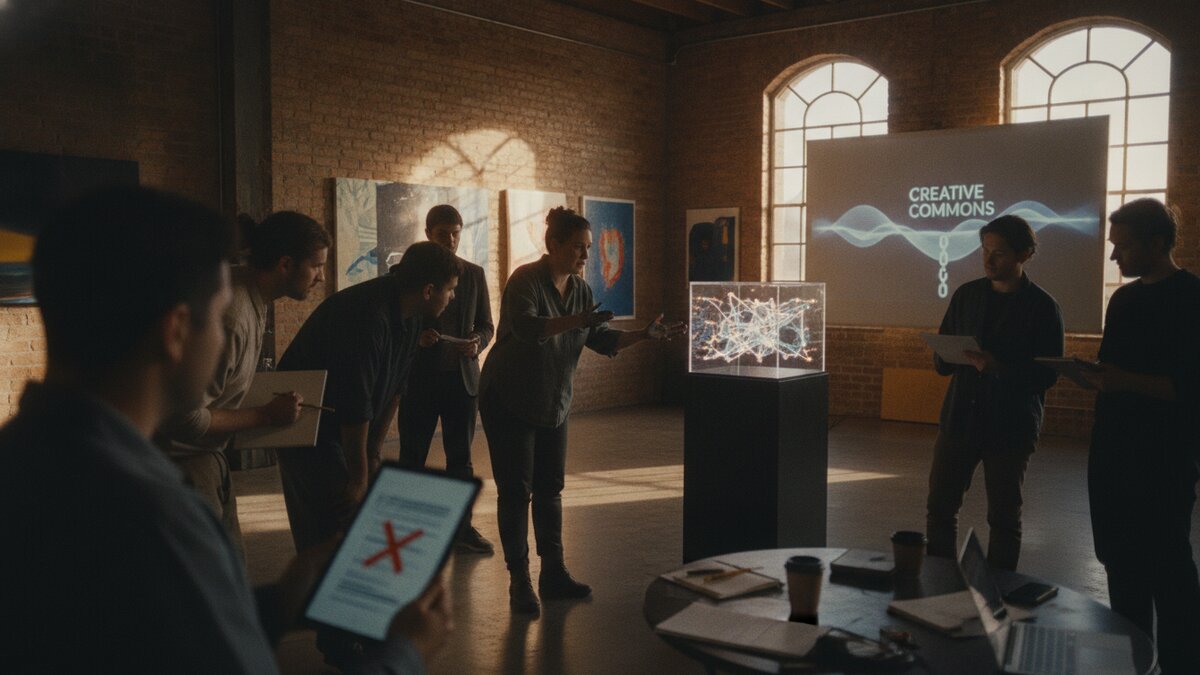
Artists and other creative workers in Prime Minister Anthony Albanese’s electorate are organizing against a federal proposal that could let AI companies use Australians’ online work by default. The dispute has brought a local community’s concerns into a wider debate over copyright and the future of creative work in Australia.
Grayndler, in Sydney’s inner west, has more than 3,000 cultural and creative businesses. About 10% of its workers are employed in cultural and creative fields, compared with 4.2% nationally.
A proposed shift in copyright
The Labor government is considering copyright changes as part of a broader package of reforms related to AI, data centres, energy and the economy. The proposal would give AI companies access to Australian creative works by default, as the government seeks a compromise with major U.S. technology companies.
For creators, the prospect of their work being used to develop AI systems without first opting in has become a flashpoint. Artists in Grayndler are pushing back, though the details of their organizing efforts are not specified in the available facts.
The policy remains under consideration. No final decision or timetable for the next step is identified.
Pressure in the prime minister’s electorate
Albanese has represented Grayndler for three decades, holding the seat by a safe margin. He has previously pointed to its concentration of live music, theatre and artist spaces with pride. The growing disquiet now puts pressure on the government in a constituency where creative work is unusually prominent.
Albanese has pledged “the strongest possible protection” for creatives and warned that using their work without proper safeguards would amount to “theft.” That promise sits alongside Labor’s effort to reach an agreement with U.S. tech companies.
The debate will turn on what protections accompany any change to copyright rules—and whether they address creators’ concerns about default access to their work. For Grayndler’s creative community, the government’s next move will test the gap between its assurance of strong protections and the proposal now being weighed.