OPEC+ keeps December oil output steady as risks rise
Seven core OPEC+ members agreed to keep oil production steady in December as threats to shipping and concern about renewed U.S. strikes against Iran keep…
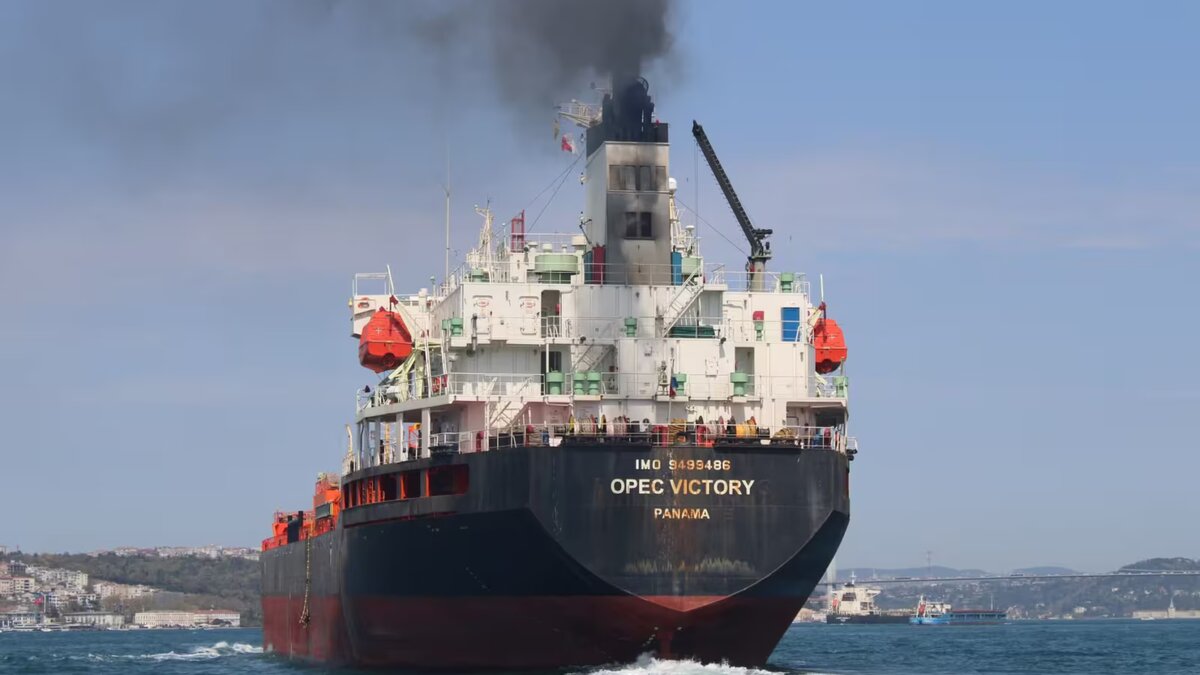
OPEC+ keeps December oil output steady after seven core members agreed on Sunday to hold production unchanged, as threats to Persian Gulf shipping and concern about renewed U.S. strikes against Iran keep oil supply risks elevated.
The decision comes while oil prices remain above $100 a barrel and global onshore inventories sit near their lowest levels in at least a decade. Higher freight and insurance costs are adding pressure as routes through the Persian Gulf remain under threat.
Why is OPEC+ holding December output steady?
The seven producers — Saudi Arabia, Russia, Iraq, Kuwait, Algeria, Kazakhstan and Oman — met virtually and kept December targets unchanged. The group had also left production steady for November.
The conflict has disrupted oil flows through key shipping routes for months, limiting OPEC+’s ability to add barrels to the market. Most members are still producing below their official targets, while producers increasingly use alternative export routes to bypass the Strait of Hormuz.
Prices remain elevated. Brent crude for January delivery settled above $113 a barrel on Friday, while West Texas Intermediate, the U.S. oil benchmark, closed at around $104 a barrel.
Shipping disruptions reshape export routes
Preliminary data from ship-tracking firm Kpler showed terminal loadings at Fujairah in the United Arab Emirates and Omani terminals were running 36% above prewar levels. Red Sea shipments were 8% above their baseline.
Those alternative routes have not fully offset disruption around Hormuz. Verified transits through the strait remain at half their prewar level, while Saudi Arabia’s east coast loadings average 3.49 million barrels a day, below the 5 million to 6 million barrels a day range seen in March.
The constraints matter beyond oil producers. Persistent shipping disruption and higher transport costs can keep supply chains vulnerable and add to inflationary pressure worldwide, particularly while energy prices remain high.
OPEC members’ crude production rose by 920,000 barrels a day to around 25.1 million barrels a day in September, according to the group’s latest data. That level remained more than 3 million barrels a day below prewar production in February.
What comes next for OPEC+ quotas?
The group completed the phased unwinding in September of 1.65 million barrels a day in voluntary cuts agreed in 2023. Separate cuts of around 2 million barrels a day, introduced in 2022, remain in place through the end of the year.
OPEC+ is also reviewing members’ production capacity. The review is tied to a new system for setting production baselines in 2027, which will determine future output quotas.
The seven producers are scheduled to meet again on Nov. 29 to decide production levels for January.