Rachel Reeves says UK’s future should be inside EU
Former Chancellor Rachel Reeves says Britain’s future belongs inside the European Union, arguing Brexit has left the country poorer, weaker and less secure…
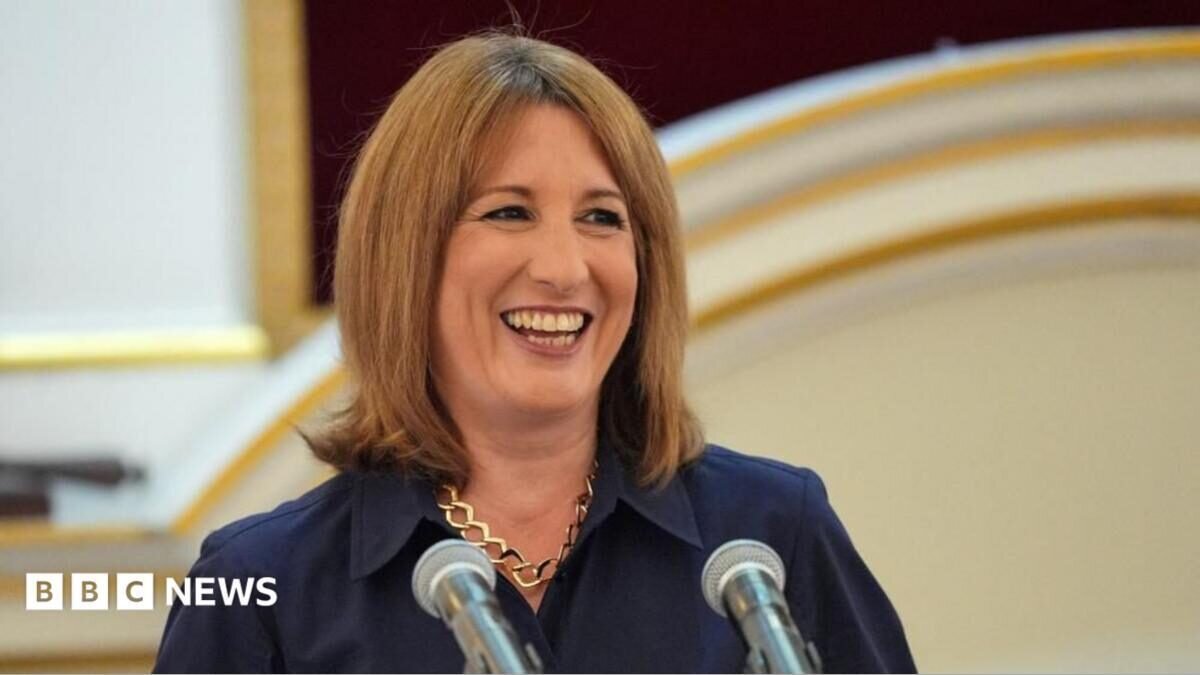
Former Chancellor Rachel Reeves says the UK’s future should be inside the European Union, renewing a debate over Brexit and Britain’s ties with Europe. In her first major intervention since leaving the Treasury, she argued the UK had become “poorer, weaker and less secure”.
The remarks put pressure on Labour’s stated position, which ruled out rejoining the EU and promised to make Brexit work. Prime Minister Andy Burnham has called for an honest discussion about the future relationship, but says any change would require voters to give a mandate at a general election, next due by 2029.
Reeves set out her view in a piece for the Sunday Times, writing: “No-one in the Treasury ever doubted where my instincts were. I do believe Britain's future lies in the European Union.” She also welcomed debate about the UK’s relationship with Europe.
Her comments come as parties take sharply different positions. The Conservatives have said they do not want to reopen the Brexit debate. Reform UK leader Nigel Farage has said there is no mandate for closer ties with the EU.
What closer EU ties is Reeves calling for?
Reeves has urged supporters of rejoining to make their case by showing practical gains and setting out a credible path. They should “make the argument, demonstrate tangible benefits and to get the next steps right”, she wrote.
Her immediate priorities include a youth mobility scheme, which she said she had pushed for while in office. Reeves hopes it will be confirmed at the forthcoming UK-EU summit. The scheme would form part of a wider discussion about how Britain and the EU could cooperate without Labour’s manifesto commitments being overturned.
The Labour manifesto for the 2024 election ruled out restoring free movement, joining the single market or entering a customs union. Burnham’s insistence on a general-election mandate means that any substantial shift would have to be put to voters before it could proceed.
That distinction matters for people who want closer links but do not support reversing every part of Brexit. Reeves is making the case for eventual EU membership, while the near-term issues she raised include youth mobility and defence cooperation. The debate now concerns both the destination and the steps political leaders are prepared to take.
Defence cooperation remains part of the discussion
Reeves also wants progress towards UK entry into the Security Action for Europe scheme, known as SAFE. She said she hoped for “progress towards entry” at the forthcoming summit.
Announced last March, SAFE is part of an EU-wide effort to rearm after Russia’s full-scale invasion of Ukraine. A defence pact agreed with the EU last May paved the way for UK-based defence companies to take part in projects funded through the scheme.
That gives the discussion a practical dimension for British defence businesses: access to SAFE-funded projects depends on the terms of cooperation between the UK and the EU. Reeves’s call for progress therefore reaches beyond the argument over membership and into the future of joint defence work.
In the same piece, Reeves defended her record in office and argued governments should be “braver” in building major infrastructure projects. She also said they needed to be “clear eyed” about the risks and benefits artificial intelligence could bring to advanced economies.
For now, Labour’s manifesto limits remain in place, and Burnham says a general-election mandate would be needed for changes. The next general election is due by 2029.