Iran Sees Positive Shift in Vance Letter as Trump Delays Decision on Strikes
For people watching the risk of renewed war, Tehran is signalling both an opening and a warning: it has received a letter from U.S. Vice
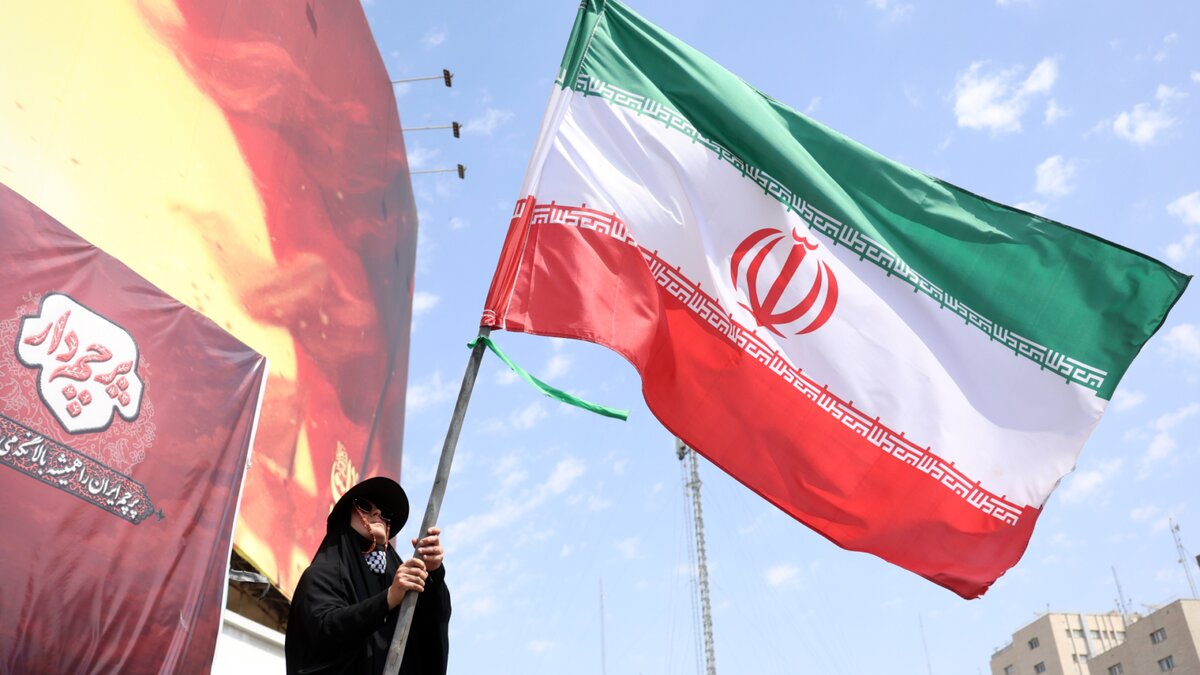
For people watching the risk of renewed war, Tehran is signalling both an opening and a warning: it has received a letter from U.S. Vice President JD Vance seeking renewed talks, while its leaders threaten a wider response to any attack. President Donald Trump says he is in no hurry to decide whether to strike Iran.
Iranian officials say Washington’s tone has shifted, but talks have yet to resume between the two governments. The Strait of Hormuz also remains closed, despite a proposal Iran’s foreign minister said could reopen it within two days.
Letter seeks renewed negotiations
The letter was directed to Mohsen Rezaei, a senior figure in Iran’s security establishment and secretary of the Supreme National Security Council. Iran confirmed receiving it but had not replied. Vance offered to meet Rezaei to discuss a negotiated settlement to the war, with the talks framed around preventing Iran from obtaining a nuclear weapon while addressing the interests of both countries.
Rezaei said the U.S. tone had “completely changed” in a positive direction as Tehran awaited Washington’s response after a meeting with mediators. Iranian Foreign Minister Abbas Araghchi said an Iranian delegation was in Doha to continue discussions with mediators.
Qatar and Pakistan have stepped up efforts to broker an agreement. The diplomatic push comes as Trump has suggested that “one or two sites” in Iran still need “taking care of,” but said he was “not in that much of a hurry” to make a decision on military action. The statements leave open whether the United States will strike; they do not announce an imminent attack.
Threats accompany diplomacy
Iran’s Supreme Leader Mojtaba Khamenei has ordered commanders to prepare an immediate response to any threat, with no geographic limits, and to update a list of potential U.S. and Israeli targets. The Islamic Revolutionary Guard Corps says it is identifying new targets, while Iran’s armed forces chief has warned that a response to any attack would be “unimaginable.”
Tehran has also warned it could withdraw from the Nuclear Non-Proliferation Treaty if hostilities resume. Rezaei said Iran’s priority was to discuss its rights, not accept restrictions, and that the country had not decided what position it would take on the treaty if war returned.
Iran has said a proposal could reopen the Strait of Hormuz within two days, but the waterway remains closed for now. The competing signals—negotiations, military warnings and a possible nuclear-treaty withdrawal—leave mediators pressing for a deal as Washington weighs its next move.